ArchiveFM

Matt and Sam answer listener questions about Christian Zionism, Roy Cohn, and more.
Duration
4m
Broadcast on
11 Aug 2025
Audio Format
other

Listen to the rest of this premium episode by subscribing at patreon.com/knowyourenemy.

Our mailbag runneth over! Unsurprisingly, we received so many excellent questions from subscribers for our most recent episode that we decided to answer even more of them. Once again religion seemed to be on the minds of listeners, and we take up charismatic Christians and the evolution of both the religious right and the Republican Party, as well as the role of Christian Zionism in U.S. policy toward Israel. But that's not all: other topics include leftist theory bros; Roy Cohn, Donald Trump, Jeffrey Epstein, and the politics of sexual blackmail; Gore Vidal at 100, and more.

Sources:

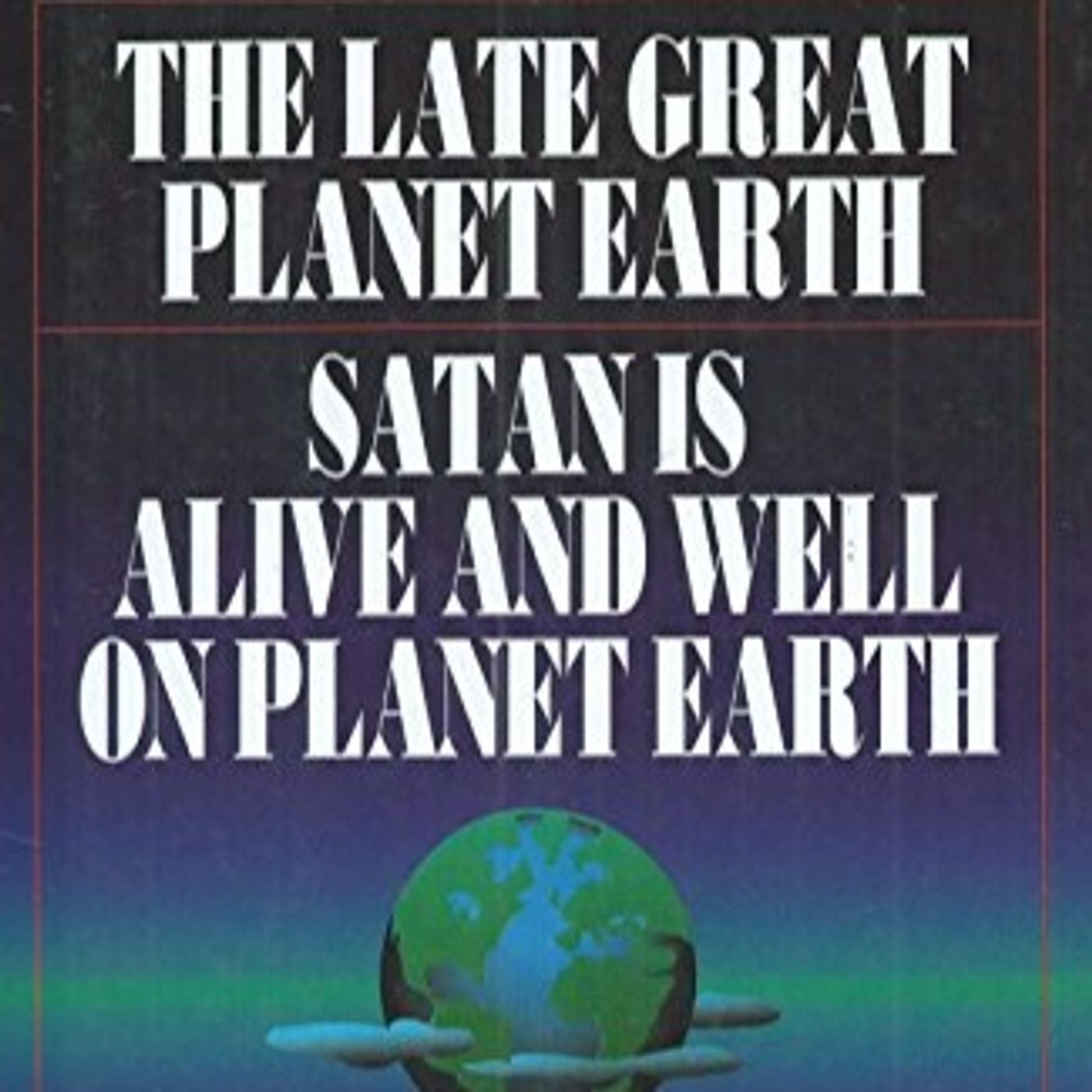
Hal Lindsey, The Late Great Planet Earth (1970)

Daniel G. Hummel, The Rise and Fall of Dispensationalism: How the Evangelical Battle over the End Times Shaped a Nation (2023)

Wilson Carey McWilliams, "The Bible in the American Political Tradition," in Redeeming Democracy in America, ed. Patrick Deneen & Susan McWilliams (2011)

The Correspondence of Walter Benjamin and Gershom Scholem, 1932–1940, ed. Gershom Scholem (1992)

Cedric Robinson, Black Marxism: The Making of the Black Radical Tradition, (1938)

Phil Christman, Why Christians Should Be Leftists (2025)

Sam Tanenhaus, Buckley: The Life and the Revolution That Changed America (2025)

Nicholas von Hoffman, Citizen Cohn: The Life and Times of Roy Cohn (1988)

Christopher M. Elias, Gossip Men: J. Edgar Hoover, Joe McCarthy, Roy Cohn, and the Politics of Insinuation (2021)

Gore Vidal, United States: Essays 1952-1992 (1993)

I really do think there's a way in which, like, the shift from conservative evangelicalism of the 70s, 80s, and 90s to this charismatic strain of Christianity, there is this way in which the charismatic prosperity gospel Christians and Trump were made for each other because they both valorize like money and getting rich and view that as a sign of God's favor. I mean, these are the kind of pastors who say, "God laid it on my heart that you all should donate to make sure I have a private jet." But also, I think, almost like the leap into the absurd dimension of Trumpism, like, "No one who is an expert in this area thinks this will work, but your faith in Trump, somehow it will work out and your side will prevail." I don't know if I've ever heard you say it that way exactly before, but it's so key, the idea of just, like, just believe in Trump and it'll all work out. If you just believe and keep believing and it doesn't matter what the media says and it doesn't matter what the economists say and it doesn't matter what the economic indicators say, just lock in and believe and it'll feel good to believe and people will doubt you and the doubters, the fact that they doubt you is even more reason to believe. Like all of that just feels like so important to that aspect of his movement. But how about the other part of this question? Is the conservative movement still Christian? Were they ever Christian? Like, we worship as Christians, Jesus Christ, who were told like his power is made perfect in weakness. Like the striving for power is itself in some ways, at best, ambiguously Christian. And using politics to demonize gay people, feminists, trans people, you know, go down the list, even if you're someone who thinks that traditional Christian teachings on homosexuality or, you know, gender relations or whatever, there's something to them. Moving them from kind of private to politics is itself like that's not required by the Christian faith to like enter the public square and make sure the laws of where you live go right for gay people and trans people and immigrants and whatnot, right? Like go back to St. Augustine. We are pilgrims in this world and the city of man should not be conflated with the city of God. And the main point of the city of man is to restrain evil, not necessarily promote your very particular Christian understanding of marriage or something. So was the right ever Christian? I mean, for me, not really, but you know, I really do think there is something to the argument that's been made by various people, like if you don't like the religious right, wait until you see the post religious right. I think what liberals might have justifiably said in the past about the Christian right in the Bush era was that they had a bunch of beliefs and they would be selective about when they would feel the need to abide by them or they would use certain aspects of their theology in order to tendentiously authorize some otherwise cruel instinct that they had. What I feel like might be true about the post religious Trumpian right in some respects is that, you know, there are no instances in which their pre-existing obligations to Christianity have any kind of purchase or hold or sort of preventive effect, any kind of constraining influence on their political desires. Do you know what I mean? Like any kind of way in which any kind of Christian morality places a constraint on some political aim or some kind of instinct towards cruelty, that's just an inconvenience.

Transcription truncated.

Matt and Sam answer listener questions about Christian Zionism, Roy Cohn, and more.