ArchiveFM

After 35, does fertility tank? As she -- and her friends — approached the age of 35, senior correspondent Molly Webster kept hearing a phrase over and over: “fertility cliff.” It was a short-hand term to describe what she was told would happen to her fertility after she turned 35 — that is, it would drop off. Suddenly, sharply, dramatically. And this was well before she was supposed to hit menopause. Intrigued, Molly decided to look into it — what was the truth behind this so-called cliff, and when, if so, would she topple? This story first premiered in “Thirty Something,” a 2018 Radiolab live show that was part of, Gonads, (https://radiolab.org/series/radiolab-presents-gonads)a six-episode audio and live event series all about reproduction and the parts of us that make more of us. The live event was produced by Rachael Cusick and edited by Pat Walters. Special thanks to epidemiologist Lauren Wise, at Boston University. Plus, Emily, Chloe, and Bianca. And of course, Jad Abumrad. If you’re more of a visual person, here are the graphs we explain in the episode, we also include links to the corresponding papers in our Episode Citations Section, below! LINK TO GRAPHS: https://media.wnyc.org/i/1860/1046/c/80/2025/12/FERTILITY_AGE_GRAPHS_1-4.jpg EPISODE CREDITS: Reported by - Molly Webster Produced by - Arianne Wack Fact-checking by - Diane A. Kelly EPISODE CITATIONS: Audio: Gonads (https://radiolab.org/series/radiolab-presents-gonads/) A six-part audio series on reproduction and the parts of us that make more of us The Menopause Mystery (https://radiolab.org/podcast/the-menopause-mystery) One of Radiolab’s most listened-to episodes of 2025! Videos: “Radiolab Presents: Thirty Something” https://youtu.be/LOJVAaSwags?si=czCBraHf1JEqmAQi Research Articles: Graph 1: Can assisted reproduction technology compensate for the natural decline in fertility with age? A model assessment (https://zpr.io/ft6dqdbkJnTd) Graph 2: Ovarian aging: mechanisms and clinical consequences (https://zpr.io/GrPLebynpvxV) , Brookmans, et al. BUT, the graph was borrowed and actually comes from this 1991 paper, Delaying childbearing: effect of age on fecundity and outcome of pregnancy” (https://zpr.io/whWg2UAZsb6h) Graph 3 and 4: Age and fecundability in a North American preconception cohort study, (https://zpr.io/Rmqry4Kd67hY) Wise et al; Dutch fertility research Further reading: Predicting Fertility, (https://zpr.io/YEdfiYT29rUh): Magazine article on Lauren Wise’s research, Sign up for our newsletter!! It includes short essays, recommendations, and details about other ways to interact with the show. Signup (https://radiolab.org/newsletter)! Radiolab is supported by listeners like you. Support Radiolab by becoming a member of The Lab (https://members.radiolab.org/) today. Follow our show on Instagram, Twitter and Facebook @radiolab, and share your thoughts with us by emailing [email protected]. Leadership support for Radiolab’s science programming is provided by the Simons Foundation and the John Templeton Foundation. Foundational support for Radiolab was provided by the Alfred P. Sloan Foundation.
Duration
29m
Broadcast on
26 Dec 2025
Audio Format
other

As she -- and her friends — approached the age of 35, senior correspondent Molly Webster kept hearing a phrase over and over: “fertility cliff.” It was a short-hand term to describe what she was told would happen to her fertility after she turned 35 — that is, it would drop off. Suddenly, sharply, dramatically. And this was well before she was supposed to hit menopause. Intrigued, Molly decided to look into it — what was the truth behind this so-called cliff, and when, if so, would she topple? 

This story first premiered in “Thirty Something,” a 2018 Radiolab live show that was part of, Gonads, (https://radiolab.org/series/radiolab-presents-gonads)a six-episode audio and live event series all about reproduction and the parts of us that make more of us. The live event was produced by Rachael Cusick and edited by Pat Walters.

Special thanks to epidemiologist Lauren Wise, at Boston University. Plus, Emily, Chloe, and Bianca. And of course, Jad Abumrad.

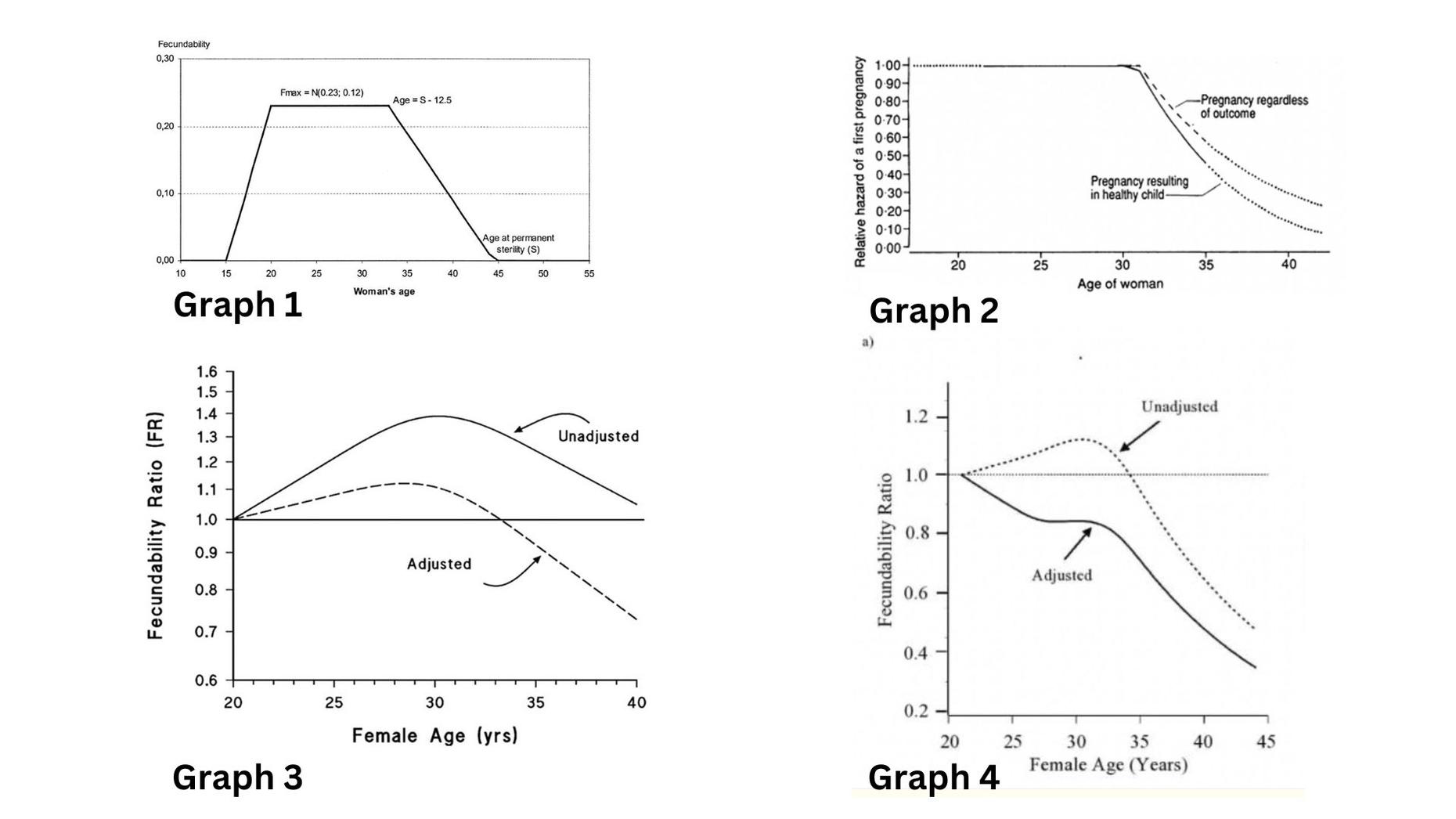
If you’re more of a visual person, here are the graphs we explain in the episode, we also include links to the corresponding papers in our Episode Citations Section, below!

LINK TO GRAPHS:
https://media.wnyc.org/i/1860/1046/c/80/2025/12/FERTILITY_AGE_GRAPHS_1-4.jpg

EPISODE CREDITS: 
Reported by - Molly Webster
Produced by - Arianne Wack
Fact-checking by - Diane A. Kelly

EPISODE CITATIONS:

Audio:

Videos:

“Radiolab Presents: Thirty Something”
https://youtu.be/LOJVAaSwags?si=czCBraHf1JEqmAQi

Research Articles:

Further reading: 
Predicting Fertility, (https://zpr.io/YEdfiYT29rUh): Magazine article on Lauren Wise’s research,
 

Sign up for our newsletter!! It includes short essays, recommendations, and details about other ways to interact with the show. Signup (https://radiolab.org/newsletter)!

Radiolab is supported by listeners like you. Support Radiolab by becoming a member of The Lab (https://members.radiolab.org/) today.

Follow our show on Instagram, Twitter and Facebook @radiolab, and share your thoughts with us by emailing [email protected].
Leadership support for Radiolab’s science programming is provided by the Simons Foundation and the John Templeton Foundation. Foundational support for Radiolab was provided by the Alfred P. Sloan Foundation.


Hosted by Simplecast, an AdsWizz company. See pcm.adswizz.com for information about our collection and use of personal data for advertising.

Oh, wait, you're listening to radio lab radio from WNY see Hey, it's Molly and lot this and this is radio labs last episode of the year rapid fire, what was your favorite episode that you did not work on this year voice? Anime Q and Matt Kilti on the mic, those two, they should get their own show. But I don't want them to, because I want them to stay here. You go, blah, blah, blah. I think it was it had to be probably Lulu's profile of that quantum physicist, Cosum in Palestine and just because you, you feel it. You're right there with them waiting in line for bread or whatever it is. And all he's thinking about is quantum physics. And you're just like, what? It's just a kind of a portal into a man's mind that you never would have gotten any other way. Yeah, that was amazing because it's like Lulu, you know, wasn't in Palestine. But being on the phone, it was like there was so much sound to hear of like, you felt like you were there. You felt like you were right there. Yeah. And I think the thing is like, especially this year, how much all of these types of stories, the ones you've worked on, I've worked on, the ones we just highlighted, truly, none of that would be possible without our listeners and our sustaining members. And so thank you, thank you, thank you for giving us. Thank you. Yeah, giving us the year we've had. I mean, because let if it's been a hard year, right? Right. Because earlier this year, Congress eliminated all federal funding for public media and our home station, WNYC, we lost $3 million in regular dependable annual funding. So it sort of goes with saying, I think we should definitely say it, that financial support from listeners is truly critical right now. And, you know, we're at the end of December. So time to support RadioLab in 2025 is running out. So this is like an ask to say, please consider making a year end donation. Get us kick started for 2026. And if you do, we have some really killer new gift options. Yeah. Just think about it. Like you're buying yourself a holiday gift. And the thing you get out of it is that we got a new puzzle. I love the puzzle. It's made of like episode art from your episode. Yeah. One of my favorites of the year, the one about the flu, it calls them hotworms, but they're really a bacteria, it just like had this magical extremophile property where it could plug into this whole other process to read DNA and it like completely revolutionize all kinds of different fields. And we've got, so we've got a puzzle. We've got t-shirt. We've got a bumper sticker that you can, you know, put on water bottles or cars.

Transcription truncated.

After 35, does fertility tank? As she -- and her friends — approached the age of 35, senior correspondent Molly Webster kept hearing a phrase over and over: “fertility cliff.” It was a short-hand term to describe what she was told would happen to her fertility after she turned 35 — that is, it would drop off. Suddenly, sharply, dramatically. And this was well before she was supposed to hit menopause. Intrigued, Molly decided to look into it — what was the truth behind this so-called cliff, and when, if so, would she topple? This story first premiered in “Thirty Something,” a 2018 Radiolab live show that was part of, Gonads, (https://radiolab.org/series/radiolab-presents-gonads)a six-episode audio and live event series all about reproduction and the parts of us that make more of us. The live event was produced by Rachael Cusick and edited by Pat Walters. Special thanks to epidemiologist Lauren Wise, at Boston University. Plus, Emily, Chloe, and Bianca. And of course, Jad Abumrad. If you’re more of a visual person, here are the graphs we explain in the episode, we also include links to the corresponding papers in our Episode Citations Section, below! LINK TO GRAPHS: https://media.wnyc.org/i/1860/1046/c/80/2025/12/FERTILITY_AGE_GRAPHS_1-4.jpg EPISODE CREDITS: Reported by - Molly Webster Produced by - Arianne Wack Fact-checking by - Diane A. Kelly EPISODE CITATIONS: Audio: Gonads (https://radiolab.org/series/radiolab-presents-gonads/) A six-part audio series on reproduction and the parts of us that make more of us The Menopause Mystery (https://radiolab.org/podcast/the-menopause-mystery) One of Radiolab’s most listened-to episodes of 2025! Videos: “Radiolab Presents: Thirty Something” https://youtu.be/LOJVAaSwags?si=czCBraHf1JEqmAQi Research Articles: Graph 1: Can assisted reproduction technology compensate for the natural decline in fertility with age? A model assessment (https://zpr.io/ft6dqdbkJnTd) Graph 2: Ovarian aging: mechanisms and clinical consequences (https://zpr.io/GrPLebynpvxV) , Brookmans, et al. BUT, the graph was borrowed and actually comes from this 1991 paper, Delaying childbearing: effect of age on fecundity and outcome of pregnancy” (https://zpr.io/whWg2UAZsb6h) Graph 3 and 4: Age and fecundability in a North American preconception cohort study, (https://zpr.io/Rmqry4Kd67hY) Wise et al; Dutch fertility research Further reading: Predicting Fertility, (https://zpr.io/YEdfiYT29rUh): Magazine article on Lauren Wise’s research, Sign up for our newsletter!! It includes short essays, recommendations, and details about other ways to interact with the show. Signup (https://radiolab.org/newsletter)! Radiolab is supported by listeners like you. Support Radiolab by becoming a member of The Lab (https://members.radiolab.org/) today. Follow our show on Instagram, Twitter and Facebook @radiolab, and share your thoughts with us by emailing [email protected]. Leadership support for Radiolab’s science programming is provided by the Simons Foundation and the John Templeton Foundation. Foundational support for Radiolab was provided by the Alfred P. Sloan Foundation.