ArchiveFM

When we think of China today, we think of a technological superpower. From Huawei and 5G to TikTok and viral social media, China is stride for stride with the United States in the world of computing. However, China’s technological renaissance almost didn’t happen. And for one very basic reason: the Chinese language, with its 70,000 plus characters, couldn’t fit on a keyboard. Today, we tell the story of Professor Wang Yongmin, a hard-headed computer programmer who solved this puzzle and laid the foundation for the China we know today. Special thanks to Martin Howard. You can view his renowned collection of typewriters at: antiquetypewriters.com. EPISODE CREDITS: Reported by - Simon Adler Produced by - Simon Adler Sign up for our newsletter!! It includes short essays, recommendations, and details about other ways to interact with the show. Signup (https://radiolab.org/newsletter)! Radiolab is supported by listeners like you. Support Radiolab by becoming a member of The Lab (https://members.radiolab.org/) today. Follow our show on Instagram, Twitter and Facebook @radiolab, and share your thoughts with us by emailing [email protected]. Leadership support for Radiolab’s science programming is provided by the Simons Foundation and the John Templeton Foundation. Foundational support for Radiolab was provided by the Alfred P. Sloan Foundation.
Duration
1h 3m
Broadcast on
07 Nov 2025
Audio Format
other

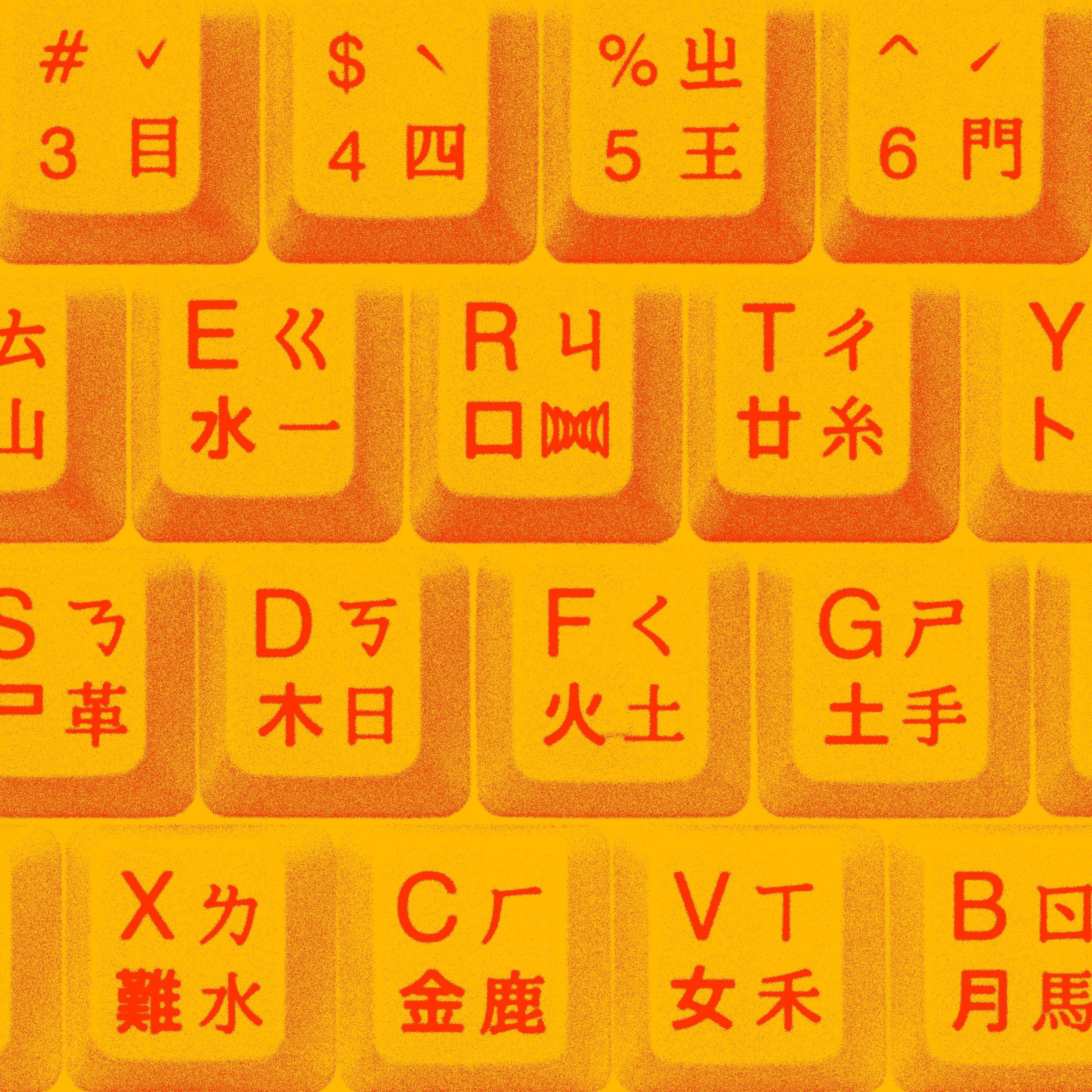
When we think of China today, we think of a technological superpower. From Huawei and 5G to TikTok and viral social media, China is stride for stride with the United States in the world of computing. However, China’s technological renaissance almost didn’t happen. And for one very basic reason: the Chinese language, with its 70,000 plus characters, couldn’t fit on a keyboard.

Today, we tell the story of Professor Wang Yongmin, a hard-headed computer programmer who solved this puzzle and laid the foundation for the China we know today.

Special thanks to Martin Howard. You can view his renowned collection of typewriters at: antiquetypewriters.com.


EPISODE CREDITS: 

Reported by - Simon Adler

Produced by - Simon Adler
 

Sign up for our newsletter!! It includes short essays, recommendations, and details about other ways to interact with the show. Signup (https://radiolab.org/newsletter)!

Radiolab is supported by listeners like you. Support Radiolab by becoming a member of The Lab (https://members.radiolab.org/) today.

Follow our show on Instagram, Twitter and Facebook @radiolab, and share your thoughts with us by emailing [email protected].


Leadership support for Radiolab’s science programming is provided by the Simons Foundation and the John Templeton Foundation. Foundational support for Radiolab was provided by the Alfred P. Sloan Foundation.


Hosted by Simplecast, an AdsWizz company. See pcm.adswizz.com for information about our collection and use of personal data for advertising.

WNYC Studios is supported by ODU. When you buy business software from lots of vendors, the costs add up and it gets complicated and confusing. ODU solves this. It's a single company that sells a suite of enterprise apps that handles everything from accounting to inventory to sales. ODU is all connected on a single platform in a simple and affordable way. You can save money without missing out on the features you need. Check out ODU at ODOO.com. That's ODOO.com. WNYC Studios is supported by WISE. WISE, the smart way to manage the currencies you need around the world. With a WISE account, you can send, spend, and receive in up to 40 currencies with only a few simple taps. Be smart, get WISE. Download the WISE app today. Terms and conditions apply. Radio Labs supporters include the Howard Hughes Medical Institute. Picture this, years of guarantee research support and a vibrant scientific community that has your back. If you're a PhD student, postdoc, or early career faculty in the biological or biomedical sciences, that doesn't have to be a fantasy. HHMI has a program for you. The Howard Hughes Medical Institute supports scientists at every career stage with a people-not-projects approach, long-term support, and the resources for breakthrough science. Applications open now. Find your program at HHMI.org/radiolab. Hey, I'm Lutif Nasr. This is Radiolab. So I've been seeing headline after headline lately about how the US is in a race. We need to compete with them. With China. We are in this high-tech competition with China. Over AI. AI arms race. The country that leads in technology tends to lead the world. We need to win the race here in the United States. And this AI technological arms race, if you want to call it that, has been making me think about this episode that our senior producer Simon Adler made back in 2020. The story he tells is the story of another arms race between China and the US. One that took place in the 1970s and 80s over a piece of technology that we now completely take for granted. Crucially though, the story starts at a moment when China, instead of being the technological superpower that it is today, was about to be left behind. And the way that they caught up sort of set the table for this whole AI situation we are in right now. Simon did a great job with it.

Transcription truncated.

When we think of China today, we think of a technological superpower. From Huawei and 5G to TikTok and viral social media, China is stride for stride with the United States in the world of computing. However, China’s technological renaissance almost didn’t happen. And for one very basic reason: the Chinese language, with its 70,000 plus characters, couldn’t fit on a keyboard. Today, we tell the story of Professor Wang Yongmin, a hard-headed computer programmer who solved this puzzle and laid the foundation for the China we know today. Special thanks to Martin Howard. You can view his renowned collection of typewriters at: antiquetypewriters.com. EPISODE CREDITS: Reported by - Simon Adler Produced by - Simon Adler Sign up for our newsletter!! It includes short essays, recommendations, and details about other ways to interact with the show. Signup (https://radiolab.org/newsletter)! Radiolab is supported by listeners like you. Support Radiolab by becoming a member of The Lab (https://members.radiolab.org/) today. Follow our show on Instagram, Twitter and Facebook @radiolab, and share your thoughts with us by emailing [email protected]. Leadership support for Radiolab’s science programming is provided by the Simons Foundation and the John Templeton Foundation. Foundational support for Radiolab was provided by the Alfred P. Sloan Foundation.