ArchiveFM

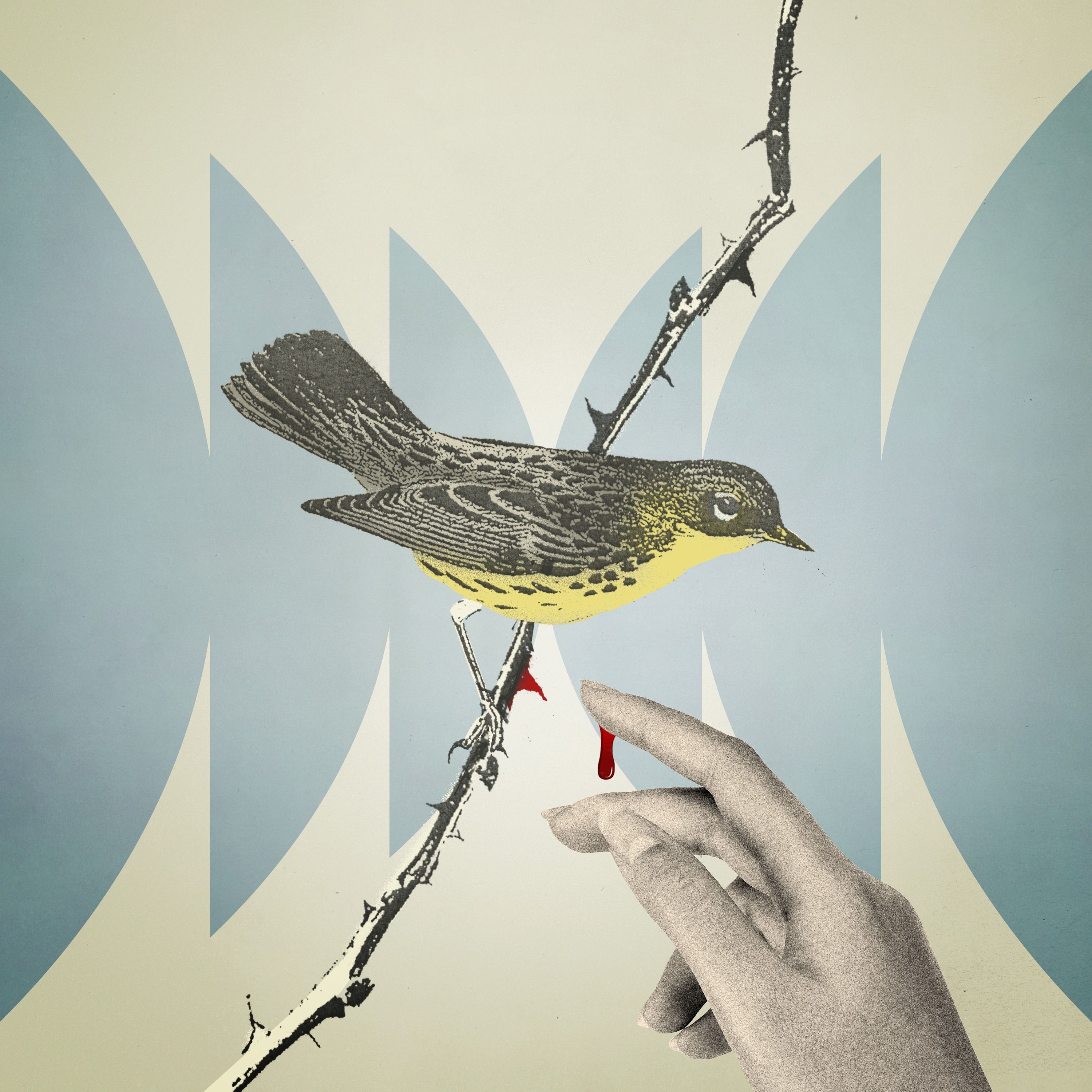
In an episode first released in 2010, then-producer Lulu Miller drives to Michigan to track down the endangered Kirtland’s warbler. Efforts to protect the bird have lead to the killing of cowbirds (a species that commandeers warbler nests), and a prescribed burn aimed at creating a new habitat. Tragically, this burn led to the death of a 29-year-old wildlife technician who was dedicated to warbler restoration. Forest Service employee Rita Halbeisen, local Michiganders skeptical of the resources put toward protecting the warbler, and the family of James Swiderski (the man killed in the fire), weigh in on how far we should go to protect one species. EPISODE CREDITS:Reported by - Lulu MillerSignup for our newsletter!! It includes short essays, recommendations, and details about other ways to interact with the show. Sign up (https://radiolab.org/newsletter)! Radiolab is supported by listeners like you. Support Radiolab by becoming a member of The Lab (https://members.radiolab.org/) today. Follow our show on Instagram, Twitter and Facebook @radiolab, and share your thoughts with us by emailing [email protected]. Leadership support for Radiolab’s science programming is provided by the Simons Foundation and the John Templeton Foundation. Foundational support for Radiolab was provided by the Alfred P. Sloan Foundation.
Duration
27m
Broadcast on
15 Aug 2025
Audio Format
other

In an episode first released in 2010, then-producer Lulu Miller drives to Michigan to track down the endangered Kirtland’s warbler. Efforts to protect the bird have lead to the killing of cowbirds (a species that commandeers warbler nests), and a prescribed burn aimed at creating a new habitat. Tragically, this burn led to the death of a 29-year-old wildlife technician who was dedicated to warbler restoration. Forest Service employee Rita Halbeisen, local Michiganders skeptical of the resources put toward protecting the warbler, and the family of James Swiderski (the man killed in the fire), weigh in on how far we should go to protect one species.

EPISODE CREDITS:
Reported by - Lulu Miller

Signup for our newsletter!! It includes short essays, recommendations, and details about other ways to interact with the show. Sign up (https://radiolab.org/newsletter)!

Radiolab is supported by listeners like you. Support Radiolab by becoming a member of The Lab (https://members.radiolab.org/) today.

Follow our show on Instagram, Twitter and Facebook @radiolab, and share your thoughts with us by emailing [email protected].

Leadership support for Radiolab’s science programming is provided by the Simons Foundation and the John Templeton Foundation. Foundational support for Radiolab was provided by the Alfred P. Sloan Foundation.


Hosted by Simplecast, an AdsWizz company. See pcm.adswizz.com for information about our collection and use of personal data for advertising.

WNYC Studios is supported by ODU. When you buy business software from lots of vendors, the costs add up and it gets complicated and confusing. ODU solves this. It's a single company that sells a suite of enterprise apps that handles everything from accounting to inventory to sales. ODU is all connected on a single platform in a simple and affordable way. You can save money without missing out on the features you need. Check out ODU at ODOO.com. That's ODOO.com. RadioLab supporters include the Howard Hughes Medical Institute. Picture this. Years of guarantee research support and a vibrant scientific community that has your back. If you're a PhD student, postdoc, or early career faculty in the biological or biomedical sciences, that doesn't have to be a fantasy. HHMI has a program for you. The Howard Hughes Medical Institute supports scientists at every career stage with a "people not projects" approach, long-term support, and the resources for breakthrough science. Applications open now. Find your program at HHMI.org/RadioLab. This is RadioLab. I'm Lula Miller. Over the last few months, as we've been watching public lands come under peril. Massive cuts to the National Park Service. Proposals to sell off millions of acres of public lands being debated. I keep thinking about this one moment. In a piece I reported about 15 years ago, in a kitchen in rural Michigan, I encountered one of the best defenses of conservation I've ever heard. And it came from such an unexpected person that it was almost like a jump scare. Anyway, I'm saying too much. So I'm going to turn it over now to OG host of this here program, Jada Bumrad. For a story we called "Waying Good Intentions." Wait, you're listening to RadioLab. From WNYC.
Okay, so set up this story. This story happens... Where? It's in a little town in northern Michigan called Mayo. 7 a.m. just drove through the Delaware water gap. That's me on my way out there from New York. The sun is rising and... It's about an 800-mile drive. And it's just gorgeous out here. Hey, listen to you. Lush and... All into the outdoors. No. I know. But I'm just one of those people. My windows and when I get out into nature... Sweet air. I feel my place in the world. Anyway. Just crossed into Mayo. So you get there? Yep. What was the reason you were going again?

Transcription truncated.

In an episode first released in 2010, then-producer Lulu Miller drives to Michigan to track down the endangered Kirtland’s warbler. Efforts to protect the bird have lead to the killing of cowbirds (a species that commandeers warbler nests), and a prescribed burn aimed at creating a new habitat. Tragically, this burn led to the death of a 29-year-old wildlife technician who was dedicated to warbler restoration. Forest Service employee Rita Halbeisen, local Michiganders skeptical of the resources put toward protecting the warbler, and the family of James Swiderski (the man killed in the fire), weigh in on how far we should go to protect one species. EPISODE CREDITS:Reported by - Lulu MillerSignup for our newsletter!! It includes short essays, recommendations, and details about other ways to interact with the show. Sign up (https://radiolab.org/newsletter)! Radiolab is supported by listeners like you. Support Radiolab by becoming a member of The Lab (https://members.radiolab.org/) today. Follow our show on Instagram, Twitter and Facebook @radiolab, and share your thoughts with us by emailing [email protected]. Leadership support for Radiolab’s science programming is provided by the Simons Foundation and the John Templeton Foundation. Foundational support for Radiolab was provided by the Alfred P. Sloan Foundation.