ArchiveFM

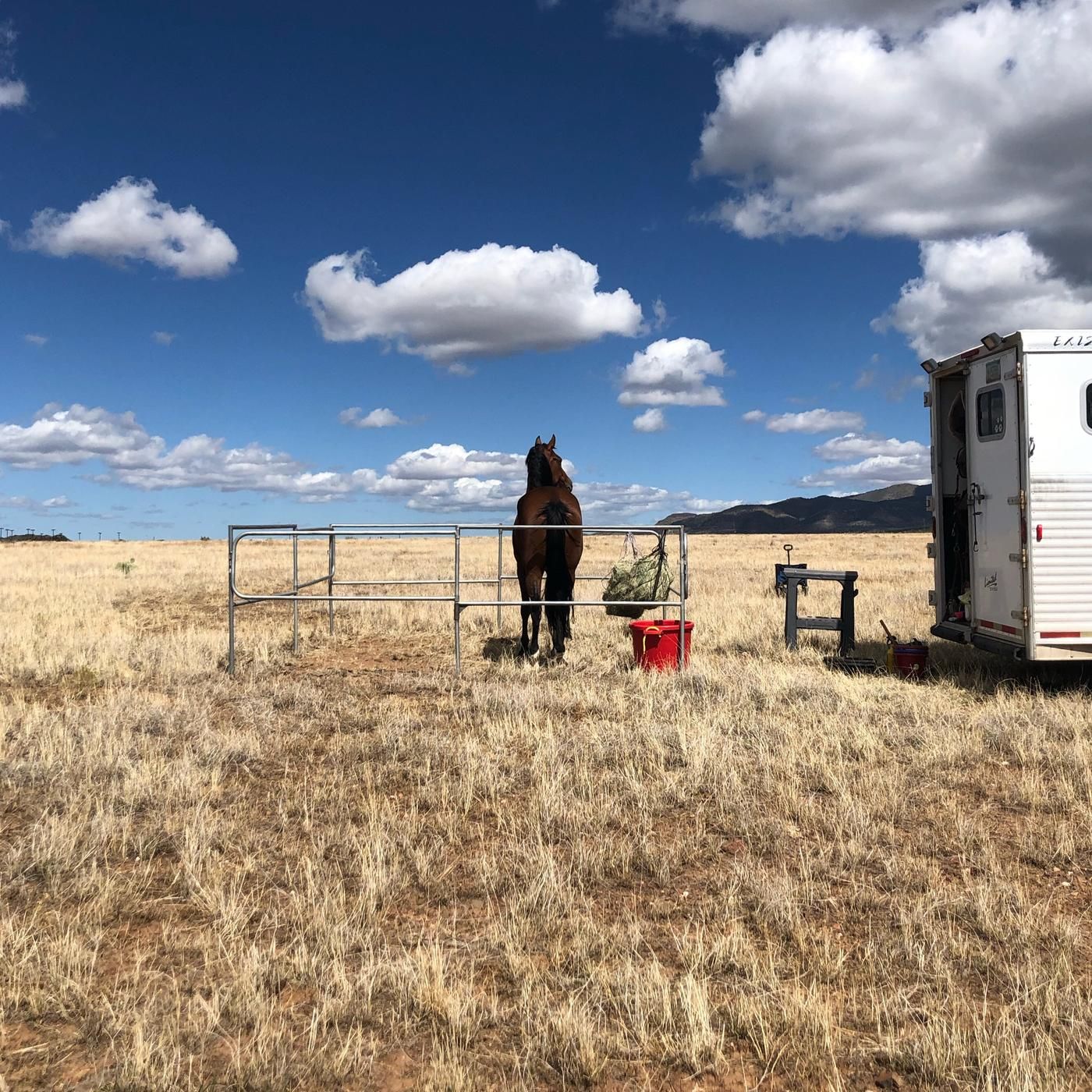
This is a story about your butt. It’s a story about how you got your butt, why you have your butt, and how your butt might be one of the most important and essential things for you being you, for being human.  Today, reporters Heather Radke and Matt Kielty talk to two researchers who followed the butt from our ancient beginnings, through millions of years of evolution, and all the way to today, out to a valley in Arizona, where our butts are put to the ultimate test.   This episode was reported by Heather Radke and Matt Kielty and was produced by Matt Kielty, Rachael Cusick and Simon Adler. Sound design and mixing by Jeremy Bloom. Fact-checking by Dorie Chevlen. Special thanks to Michelle Legro. Support Radiolab today at Radiolab.org/donate. 
Duration
59m
Broadcast on
28 Dec 2019
Audio Format
other

This is a story about your butt. It’s a story about how you got your butt, why you have your butt, and how your butt might be one of the most important and essential things for you being you, for being human. 

Today, reporters Heather Radke and Matt Kielty talk to two researchers who followed the butt from our ancient beginnings, through millions of years of evolution, and all the way to today, out to a valley in Arizona, where our butts are put to the ultimate test.  

This episode was reported by Heather Radke and Matt Kielty and was produced by Matt Kielty, Rachael Cusick and Simon Adler. Sound design and mixing by Jeremy Bloom. Fact-checking by Dorie Chevlen.

Special thanks to Michelle Legro.

Support Radiolab today at Radiolab.org/donate. 


Hosted by Simplecast, an AdsWizz company. See pcm.adswizz.com for information about our collection and use of personal data for advertising.

Hey, this is Chad, before we start the episode, which will happen in a few seconds, I just want to give a quick peek behind the radio lab curtain. So radio lab is a team of about 20 people, and that includes reporters, producers, fact checkers, Robert, me. Some of the stuff that we do on this podcast is a lighter lift, not to say it's easy by any means, but some of it is contained, you know, maybe it took a producer or two a few months to make, but most of the stuff that you hear on this feed took years to make, start to finish, literally years. It takes so much time to do this kind of work, and I think in the last year we've done some of our best stuff, so I just want to review with you some of the work you heard on Radio Lab in the past year. All right, let's start with Latif Nasser and Matt Keilto. It brought you this amazing story of a underdog hockey star. Pat Walters and Rachel Cusick reported an entire six-part series about intelligence called G. Robert teamed up with Becca Bresler and Bethel Hoptay to explore how beauty affects evolution and, of course, the deep, deep mystery of eel sex, and then there was the right to be forgotten. Molly Webster and Soren Wheeler took a look at the ethics of erasing people's histories online. Tracy Hunt brought you the history of square dancing. The complicated backstory of why so many of us had to learn square dancing as a kid. We reported on birthright citizenship in Samoa, immigration in Switzerland, undemocratic elections in Gabon, and I got to tell the life story of Dolly Parton in a nine-part special series. Okay, so honestly, making all of this stuff is as time and labor-intensive as making a movie. There are dozens of interviews that go into it, every fact has to be checked, every breath is sought through, all of our music is originally composed, that is how ambitious Radiolab is trying to be. So, let's talk about cost for a minute. When you add it all up, and I'm talking the reporting hours, the fact-checking, the digging through the archives, the getting people on planes, the equipment, all of it, for some of these bigger episodes, the cost can be sometimes north of 100 grand for that one episode. It's crazy to say, but that is the truth. So here's the good news. Over the past year, more than 29,000 of you made a contribution to Radiolab, which is incredible. Thank you to all of you. You make our work possible. But, mathematically, of the tens of millions of people who listen to Radiolab, 29,000 is less than 1%. Less than 1% of our audience who listen actually give. That's what I want to change. So if you like this show, if you want to protect this kind of journalism, we need to hear from you. We have 29,000 people right now who have stepped up. Let's see if we can grow that to 40,000, 60,000. Heck, if everybody listening right now actually pitched in $100, we would never have to ask you for money ever again, because shut this whole thing down. So please, make your year-end contribution in support of Radiolab today.

Transcription truncated.

This is a story about your butt. It’s a story about how you got your butt, why you have your butt, and how your butt might be one of the most important and essential things for you being you, for being human.  Today, reporters Heather Radke and Matt Kielty talk to two researchers who followed the butt from our ancient beginnings, through millions of years of evolution, and all the way to today, out to a valley in Arizona, where our butts are put to the ultimate test.   This episode was reported by Heather Radke and Matt Kielty and was produced by Matt Kielty, Rachael Cusick and Simon Adler. Sound design and mixing by Jeremy Bloom. Fact-checking by Dorie Chevlen. Special thanks to Michelle Legro. Support Radiolab today at Radiolab.org/donate.