ArchiveFM

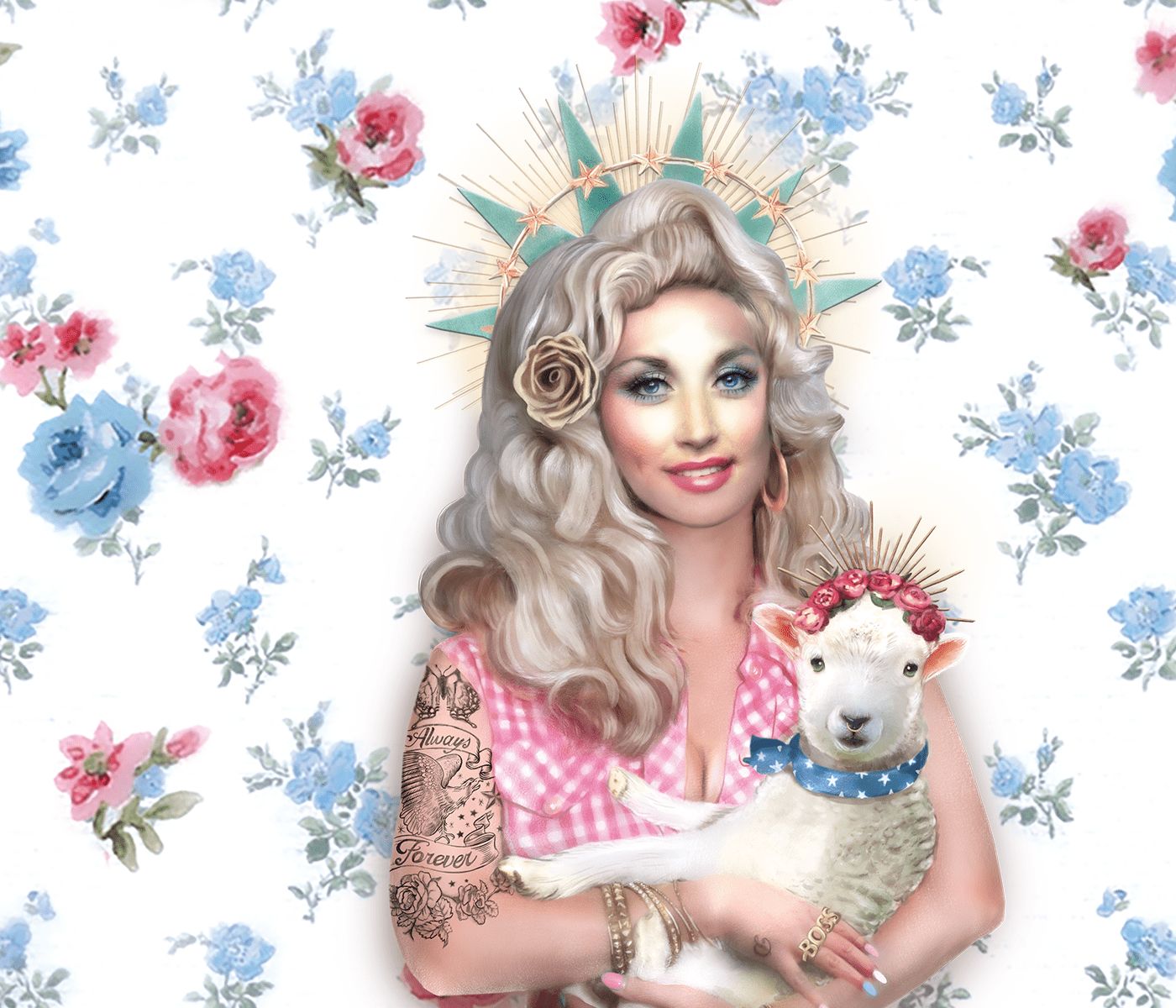
Radiolab creator and host Jad Abumrad spent the last two years following around music legend Dolly Parton, and we're here to say you should tune in! In this episode of Radiolab, we showcase the first of Jad's special series, Dolly Parton's America. In this intensely divided moment, one of the few things everyone still seems to agree on is Dolly Parton—but why? That simple question leads to a deeply personal, historical, and musical rethinking of one of America’s great icons.  We begin with a simple question: How did the queen of the boob joke become a feminist icon? Helen Morales, author of “Pilgrimage to Dollywood,” gave us a stern directive – look at the lyrics! So we dive into Dolly’s discography, starting with the early period of what Dolly calls “sad ass songs” to find remarkably prescient words of female pain, slut-shaming, domestic violence, and women being locked away in asylums by cheating husbands. We explore how Dolly took the centuries-old tradition of the Appalachian “murder ballad”—an oral tradition of men singing songs about brutally killing women—and flipped the script, singing from the woman’s point of view. And as her career progresses, the songs expand beyond the pain to tell tales of leaving abuse behind. How can such pro-woman lyrics come from someone who despises the word feminism? Dolly explains.     Check out Dolly Parton's America here at: https://www.wnycstudios.org/podcasts/dolly-partons-america 
Duration
1h 3m
Broadcast on
15 Oct 2019
Audio Format
other

Radiolab creator and host Jad Abumrad spent the last two years following around music legend Dolly Parton, and we're here to say you should tune in! In this episode of Radiolab, we showcase the first of Jad's special series, Dolly Parton's America. In this intensely divided moment, one of the few things everyone still seems to agree on is Dolly Parton—but why? That simple question leads to a deeply personal, historical, and musical rethinking of one of America’s great icons. 

We begin with a simple question: How did the queen of the boob joke become a feminist icon? Helen Morales, author of “Pilgrimage to Dollywood,” gave us a stern directive – look at the lyrics! So we dive into Dolly’s discography, starting with the early period of what Dolly calls “sad ass songs” to find remarkably prescient words of female pain, slut-shaming, domestic violence, and women being locked away in asylums by cheating husbands. We explore how Dolly took the centuries-old tradition of the Appalachian “murder ballad”—an oral tradition of men singing songs about brutally killing women—and flipped the script, singing from the woman’s point of view. And as her career progresses, the songs expand beyond the pain to tell tales of leaving abuse behind.

How can such pro-woman lyrics come from someone who despises the word feminism? Dolly explains.  


Check out Dolly Parton's America here at: https://www.wnycstudios.org/podcasts/dolly-partons-america 


Hosted by Simplecast, an AdsWizz company. See pcm.adswizz.com for information about our collection and use of personal data for advertising.

WNYC Studios is supported by WISE. WISE, the smart way to manage the currencies you need around the world. With a WISE account, you can send, spend, and receive in up to 40 currencies, with only a few simple taps. Be smart, get WISE. Download the WISE app today. Terms and conditions apply. RadioLab is supported by AT&T. We all love to connect via video, a text, or a group chat that never stops. And right now, AT&T has a deal that will keep the connection going. You can get the new iPhone 18 Pro for $0 with eligible trading. It has the Ultimate Pro camera system and a big leap in battery life, so you can turn this deal into a long-lasting connection. Learn how you can trade in your phone for the new iPhone 18 Pro at AT&T. Connecting changes everything. Required trading of $230 or more and eligible plan, Terms and restrictions apply, subject to change, visit an AT&T store for details.
Wait, you're listening to RadioLab, from WNYC. You're dealing with somebody right now. There's barely almost dead. Yeah, slow brain power. Okay. I'm like half the man that you know, which is already pretty piss-poor. Well, maybe I'll start. Let me try something that happens. Yeah, okay. I'm Jad Abemrod. I'm Robert Quill, which this is RadioLab. And what we're about to do is something we have never done before. Actually, Jad did it. It's about a lady and about a nation and about everybody listening all at once. And I really can think of no other way to do this except to say that. You know what? I thought that was actually much better than I've come up with. Two years I've been working on this project. Okay. Yeah, you summarize it perfectly. For the last two and a half years, I have been creating a side project that's going to be on a separate feed. [email protected] is where you can sign up for it. Dolly Parton's America. Kind of gives it away, doesn't it? Well, it's not about Barbara Streisand. No, it's true. But I've created a nine-part series about Dolly Parton. And we're going to preview the first episode right now here. And if you want to hear the other ones, where do you go? You go to [email protected]

Transcription truncated.

Radiolab creator and host Jad Abumrad spent the last two years following around music legend Dolly Parton, and we're here to say you should tune in! In this episode of Radiolab, we showcase the first of Jad's special series, Dolly Parton's America. In this intensely divided moment, one of the few things everyone still seems to agree on is Dolly Parton—but why? That simple question leads to a deeply personal, historical, and musical rethinking of one of America’s great icons.  We begin with a simple question: How did the queen of the boob joke become a feminist icon? Helen Morales, author of “Pilgrimage to Dollywood,” gave us a stern directive – look at the lyrics! So we dive into Dolly’s discography, starting with the early period of what Dolly calls “sad ass songs” to find remarkably prescient words of female pain, slut-shaming, domestic violence, and women being locked away in asylums by cheating husbands. We explore how Dolly took the centuries-old tradition of the Appalachian “murder ballad”—an oral tradition of men singing songs about brutally killing women—and flipped the script, singing from the woman’s point of view. And as her career progresses, the songs expand beyond the pain to tell tales of leaving abuse behind. How can such pro-woman lyrics come from someone who despises the word feminism? Dolly explains.     Check out Dolly Parton's America here at: https://www.wnycstudios.org/podcasts/dolly-partons-america