ArchiveFM

Seven years ago chatbots - those robotic texting machines - were a mere curiosity. They were noticeably robotic and at their most malicious seemed only capable of scamming men looking for love online. Today, the chatbot landscape is wildly different. From election interference to spreading hate, chatbots have become online weapons. And so, we decided to reinvestigate the role these robotic bits of code play in our lives and the effects they’re having on us. We begin with a little theater. In our live show “Robert or Robot?” Jad and Robert test 100 people to see if they can spot a bot. We then take a brief detour to revisit the humanity of the Furby, and finish in a virtual house where the line between technology and humanity becomes blurrier than ever before. This episode was reported and produced by Simon Adler. Our live event was produced by Simon Adler and Suzie Lechtenberg. Support Radiolab today at Radiolab.org/donate. Note from the Managing Editor: In the original version of our “More or Less Human” podcast, our introduction of neuroscientist Mavi Sanchez-Vives began with mention of her husband, Mel Slater. We’ve edited that introduction because it was a mistake to introduce her first as someone’s wife. Dr. Sanchez-Vives is an exceptional scientist and we’re sorry that the original introduction distracted from or diminished her work.   On a personal note, I failed to take due note of this while editing the piece, and in doing so, I flubbed what’s known as the Finkbeiner Test (all the more embarrassing given that Ann Finkebeiner is a mentor and one of my favorite science journalists). In addition to being a mistake, this is also a reminder to all of us at Radiolab that we need to be more aware of our blind spots. We should’ve done better, and we will do better.  - Soren Wheeler 
Duration
1h 4m
Broadcast on
17 May 2018
Audio Format
other

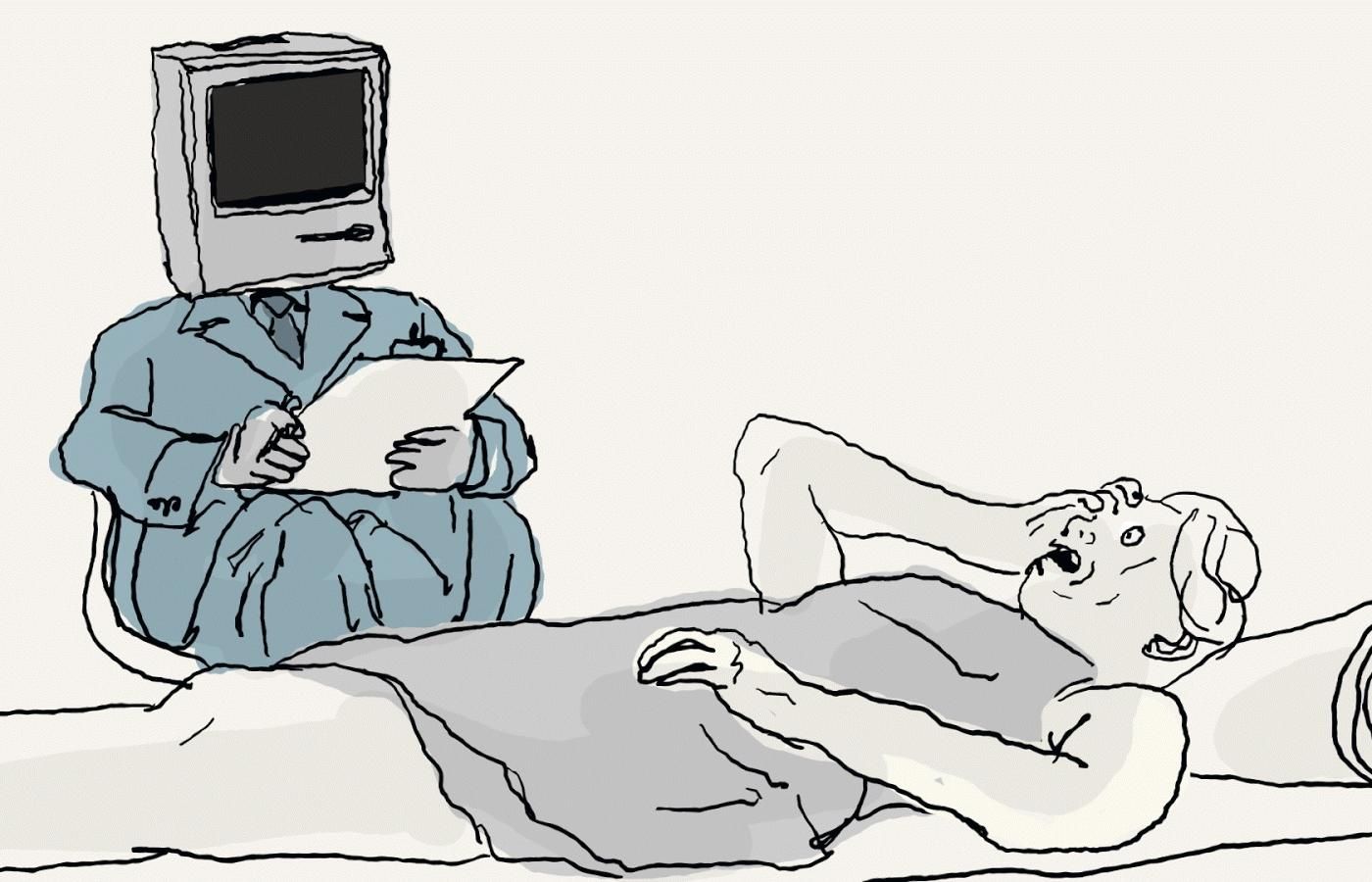
Seven years ago chatbots - those robotic texting machines - were a mere curiosity. They were noticeably robotic and at their most malicious seemed only capable of scamming men looking for love online. Today, the chatbot landscape is wildly different. From election interference to spreading hate, chatbots have become online weapons.

And so, we decided to reinvestigate the role these robotic bits of code play in our lives and the effects they’re having on us. We begin with a little theater. In our live show “Robert or Robot?” Jad and Robert test 100 people to see if they can spot a bot. We then take a brief detour to revisit the humanity of the Furby, and finish in a virtual house where the line between technology and humanity becomes blurrier than ever before.

This episode was reported and produced by Simon Adler. Our live event was produced by Simon Adler and Suzie Lechtenberg.

Support Radiolab today at Radiolab.org/donate.

Note from the Managing Editor:

In the original version of our “More or Less Human” podcast, our introduction of neuroscientist Mavi Sanchez-Vives began with mention of her husband, Mel Slater. We’ve edited that introduction because it was a mistake to introduce her first as someone’s wife. Dr. Sanchez-Vives is an exceptional scientist and we’re sorry that the original introduction distracted from or diminished her work.  

On a personal note, I failed to take due note of this while editing the piece, and in doing so, I flubbed what’s known as the Finkbeiner Test (all the more embarrassing given that Ann Finkebeiner is a mentor and one of my favorite science journalists). In addition to being a mistake, this is also a reminder to all of us at Radiolab that we need to be more aware of our blind spots. We should’ve done better, and we will do better.

 - Soren Wheeler 


Hosted by Simplecast, an AdsWizz company. See pcm.adswizz.com for information about our collection and use of personal data for advertising.

WNYC Studios is supported by WISE. WISE, the smart way to manage the currencies you need around the world. With a WISE account, you can send, spend, and receive in up to 40 currencies, with only a few simple taps. Be smart, get WISE. Download the WISE app today. Terms and conditions apply. WNYC Studios is supported by Odu. When you buy business software from lots of vendors, the costs add up and it gets complicated and confusing. Odu solves this. It's a single company that sells a suite of enterprise apps that handles everything from accounting to inventory to sales. Odu is all connected on a single platform in a simple and affordable way. You can save money without missing out on the features you need. Check out Odu at ODOO.com. That's O-D-O-O.com. ReadyLab is supported by AT&T. We all love to connect via video calls or texts. Right now, at AT&T, you can get the new iPhone 18 Pro for $0 with iPhone trading. Any condition. It has the ultimate pro camera system and big leap in battery life, so you can turn this deal into a long lasting connection. Learn how you can trade in your iPhone for the new iPhone 18 Pro requires trading of iPhone 14 or higher, excluding iPhone 16E, an eligible plan. Terms and restrictions apply subject to change. Visit an AT&T store for details. Wait, you're listening to RadioLab from WNYC. I'm Jan. I'm Robert. Are you guys ready to do this? Maybe we should just do this. This is RadioLab. All right, but when your hosts come out, I need you to seriously clap. Like, you've never seen two dudes with glasses talking to a microphone, okay? So, like, just really, really give it up for your mostly human hosts, Jadab and Rad and Robert Krollitz. So, about a week ago, we gathered, I guess, roughly 100 people into a performance space, which is in our building here at WNYC. It's called the Green Space. This is like a playground for us, so we can just try things. We decide to gather all these people into a room on a random Monday night. What else are you doing on a Monday, right? Because seven years previous, we had made a show called Talking to Machines, which was all about what happens when you talk to a computer that's pretending to be human. And the thing is, so much has happened since we made that show, with the proliferation of bots on Twitter, Russian bots, meddling in elections, the advances in AI, so much interesting stuff had happened that we thought it is time to update that show. And we needed to do it live, we thought, because we had a little plan in mind.

Transcription truncated.

Seven years ago chatbots - those robotic texting machines - were a mere curiosity. They were noticeably robotic and at their most malicious seemed only capable of scamming men looking for love online. Today, the chatbot landscape is wildly different. From election interference to spreading hate, chatbots have become online weapons. And so, we decided to reinvestigate the role these robotic bits of code play in our lives and the effects they’re having on us. We begin with a little theater. In our live show “Robert or Robot?” Jad and Robert test 100 people to see if they can spot a bot. We then take a brief detour to revisit the humanity of the Furby, and finish in a virtual house where the line between technology and humanity becomes blurrier than ever before. This episode was reported and produced by Simon Adler. Our live event was produced by Simon Adler and Suzie Lechtenberg. Support Radiolab today at Radiolab.org/donate. Note from the Managing Editor: In the original version of our “More or Less Human” podcast, our introduction of neuroscientist Mavi Sanchez-Vives began with mention of her husband, Mel Slater. We’ve edited that introduction because it was a mistake to introduce her first as someone’s wife. Dr. Sanchez-Vives is an exceptional scientist and we’re sorry that the original introduction distracted from or diminished her work.   On a personal note, I failed to take due note of this while editing the piece, and in doing so, I flubbed what’s known as the Finkbeiner Test (all the more embarrassing given that Ann Finkebeiner is a mentor and one of my favorite science journalists). In addition to being a mistake, this is also a reminder to all of us at Radiolab that we need to be more aware of our blind spots. We should’ve done better, and we will do better.  - Soren Wheeler