ArchiveFM

This story comes from the second season of Radiolab's spin-off podcast, More Perfect. To hear more, subscribe here. What happens when the Supreme Court, the highest court in the land, seems to get it wrong? Korematsu v. United States is a case that’s been widely denounced and discredited, but it still remains on the books. This is the case that upheld President Franklin Roosevelt’s internment of American citizens during World War II based solely on their Japanese heritage, for the sake of national security. In this episode, we follow Fred Korematsu’s path to the Supreme Court, and we ask the question: if you can’t get justice in the Supreme Court, can you find it someplace else?  The key voices: Fred Korematsu, plaintiff in Korematsu v. United States who resisted evacuation orders during World War II. Karen Korematsu, Fred’s daughter, Founder & Executive Director of Fred T. Korematsu Institute Ernest Besig, ACLU lawyer who helped Fred Korematsu bring his case Lorraine Bannai, Professor at Seattle University School of Law and friend of Fred's family Richard Posner, recently retired Circuit Judge for the U.S. Court of Appeals, 7th Circuit  The key cases: 1944: Korematsu v. United States  The key links: Fred T. Korematsu Institute Densho Archives Additional music for this episode by The Flamingos, Lulu, Paul Lansky and Austin Vaughn.  Special thanks to the Densho Archives for use of archival tape of Fred Korematsu and Ernest Besig.  Leadership support for More Perfect is provided by The Joyce Foundation. Additional funding is provided by The Charles Evans Hughes Memorial Foundation. Supreme Court archival audio comes from Oyez®, a free law project in collaboration with the Legal Information Institute at Cornell.
Duration
54m
Broadcast on
02 Oct 2017
Audio Format
other

This story comes from the second season of Radiolab's spin-off podcast, More Perfect. To hear more, subscribe here.

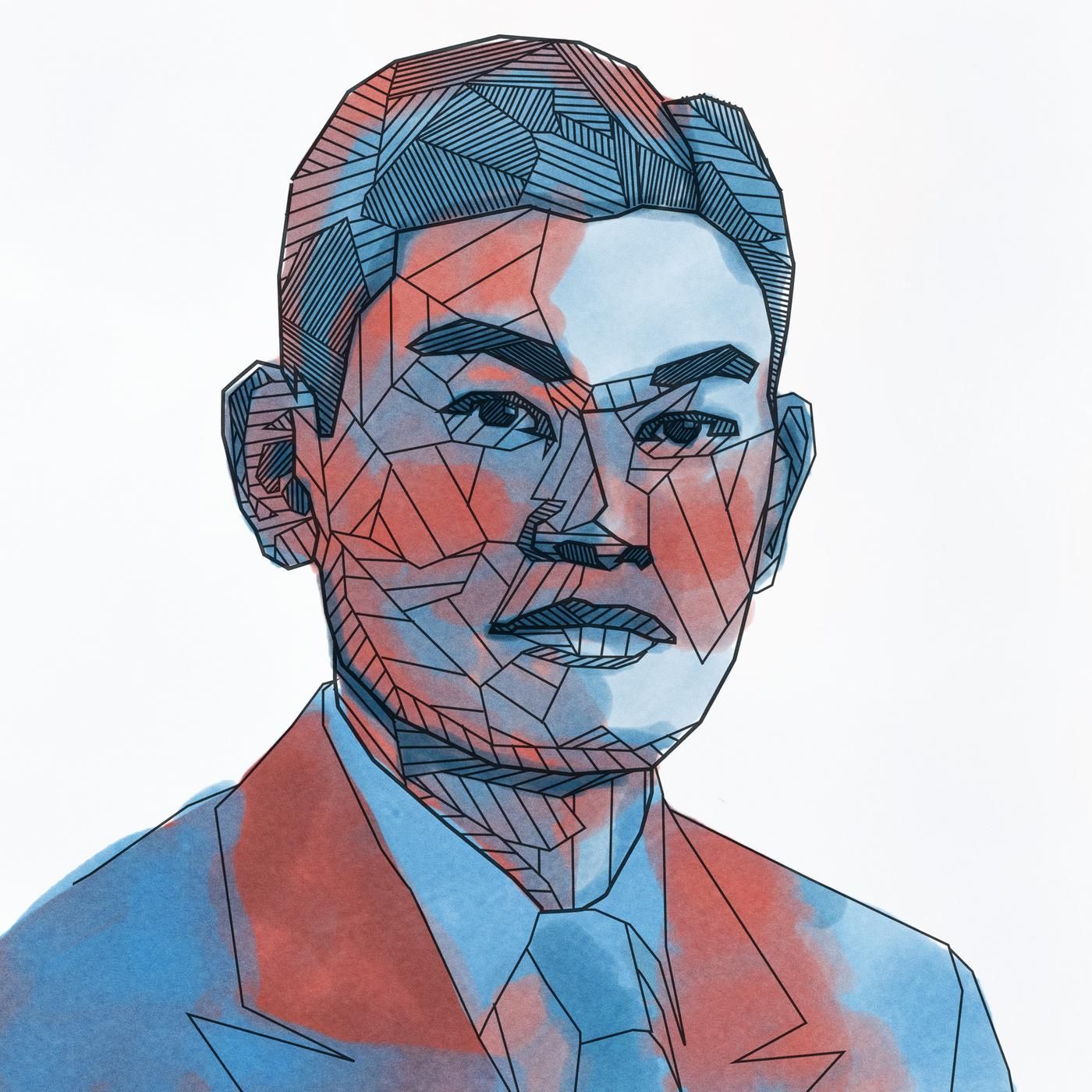
What happens when the Supreme Court, the highest court in the land, seems to get it wrong? Korematsu v. United States is a case that’s been widely denounced and discredited, but it still remains on the books. This is the case that upheld President Franklin Roosevelt’s internment of American citizens during World War II based solely on their Japanese heritage, for the sake of national security. In this episode, we follow Fred Korematsu’s path to the Supreme Court, and we ask the question: if you can’t get justice in the Supreme Court, can you find it someplace else?

 The key voices:

    Fred Korematsu, plaintiff in Korematsu v. United States who resisted evacuation orders during World War II. Karen Korematsu, Fred’s daughter, Founder & Executive Director of Fred T. Korematsu Institute Ernest Besig, ACLU lawyer who helped Fred Korematsu bring his case Lorraine Bannai, Professor at Seattle University School of Law and friend of Fred's family Richard Posner, recently retired Circuit Judge for the U.S. Court of Appeals, 7th Circuit

 The key cases:

 The key links:

Additional music for this episode by The Flamingos, Lulu, Paul Lansky and Austin Vaughn.

 Special thanks to the Densho Archives for use of archival tape of Fred Korematsu and Ernest Besig.

 Leadership support for More Perfect is provided by The Joyce Foundation. Additional funding is provided by The Charles Evans Hughes Memorial Foundation.

Supreme Court archival audio comes from Oyez®, a free law project in collaboration with the Legal Information Institute at Cornell.


Hosted by Simplecast, an AdsWizz company. See pcm.adswizz.com for information about our collection and use of personal data for advertising.

Oh, wait, you're listening to Radio Lab from WNYC. Okay, ready? All right, Chad. Robert. Radio Lab. So, Robert. Yes, sir. The day is here. The day is here, is here. Do you have been getting ready for this for this solo? We should just tell people that Chad, last year, produced with an amazing team, a spin-off from Radio Lab. It is a series about the law and the Supreme Court of the United States. The highest court in the land. Yeah, the idea was to take the Radio Lab thing, the way of looking, the way of seeing, the way of sounding, producing, and apply it to this bizarre opaque body of robid figures. Robid as in people who wear black robes. Robid. That is not an English word. No, it isn't, but I'm a robot. It's an old English word, actually. It's actually sort of the common law word that they used to use for robes. No, so the show is called More Perfect. The idea behind it is, could we tell
personal, human, surprising, thought-provoking stories about not just the justices, but the people and the ideas that get in front of the court. And in the process, could we give ourselves a new way of thinking about this country? Yeah. That was the idea. Mm-hmm. Worked pretty well, too. I thought it worked all right. The first season, which was enormously popular, I think was enormously popular because these, as you call them, were robid people, these people are black, were had pulsing hearts. They would sit down blakes by themselves and go crazy with concern. They were throbbing, heartful, nutty, passionate, angry, fair, beautiful people. It was really quite something. Oh, thank you. Okay, so now, Robert, I would love to play you the first episode, the very first episode of the season. And one of the sort of central ideas of this season, more perfect, is that these moments in history that we thought were gone, they're never really gone. They will always swing back into the now. And one of the cases that is very much swinging back into the now is a, well, maybe we should just play it. As you're listening, know that there are already a couple more extra episodes already in the more perfect feed, radiolab.org/moreperfect or more perfect on iTunes, Google Play, whatever. Okay, here it is, episode number one, season two. In February of 2017, Supreme Court Justice Ruth Bader Ginsburg said something that surprised a lot of people. Well, I would say that we are not experiencing the best of times. She stepped straight into the political fray and addressed this political moment. It was a great man once said that the true symbol of the United States is not the bald eagle, it is the pendulum. And when the pendulum swings too far in one direction, it will go back. Some terrible things have happened in the United States, but one can only hope that we learn
from those bad things. Today, we're going to ride the pendulum to the dark side. We're going to start with one of the most infamous decisions the court has ever made, the Korematsu decision. You might imagine it's not going to be the happiest of situations, but the story that we're going to tell you today, and tomorrow as well, actually,
they're not stories of bitterness, because this curious thing happens in both cases. When our characters can't find justice inside the Supreme Court, they stop looking for it there, and they find it somewhere else entirely.
Producer Julia Longoria starts us off. The year is 1967, and the place is San Lorenzo High School in the East Bay of California. And we're in a U.S. history classroom. I was actually a junior in high school. This is Karen Korematsu. I'm the executive director and founder of the Fred T. Korematsu Institute in San Francisco. So on this particular day, Karen is sitting at the back of the classroom, and our teacher had assigned each of my classmates a little paperback book to read, books about American history, government, and the assignment was to then get up in front of the class and give an oral book report. I mean, this is a long time ago, so that's the way they used to do things. I don't even remember what my book was or my subject. But Karen said she was just sitting there in class listening as one by one her classmates got up, talked about George Washington or Abraham Lincoln or whatever. And then my friend Maya, who is Japanese American third generation like myself, got up in front of the class, and her book was called Concentration Camps USA
about the Japanese American internment. And I thought, no, that's interesting. I hadn't

Transcription truncated.

This story comes from the second season of Radiolab's spin-off podcast, More Perfect. To hear more, subscribe here. What happens when the Supreme Court, the highest court in the land, seems to get it wrong? Korematsu v. United States is a case that’s been widely denounced and discredited, but it still remains on the books. This is the case that upheld President Franklin Roosevelt’s internment of American citizens during World War II based solely on their Japanese heritage, for the sake of national security. In this episode, we follow Fred Korematsu’s path to the Supreme Court, and we ask the question: if you can’t get justice in the Supreme Court, can you find it someplace else?  The key voices: Fred Korematsu, plaintiff in Korematsu v. United States who resisted evacuation orders during World War II. Karen Korematsu, Fred’s daughter, Founder & Executive Director of Fred T. Korematsu Institute Ernest Besig, ACLU lawyer who helped Fred Korematsu bring his case Lorraine Bannai, Professor at Seattle University School of Law and friend of Fred's family Richard Posner, recently retired Circuit Judge for the U.S. Court of Appeals, 7th Circuit  The key cases: 1944: Korematsu v. United States  The key links: Fred T. Korematsu Institute Densho Archives Additional music for this episode by The Flamingos, Lulu, Paul Lansky and Austin Vaughn.  Special thanks to the Densho Archives for use of archival tape of Fred Korematsu and Ernest Besig.  Leadership support for More Perfect is provided by The Joyce Foundation. Additional funding is provided by The Charles Evans Hughes Memorial Foundation. Supreme Court archival audio comes from Oyez®, a free law project in collaboration with the Legal Information Institute at Cornell.