ArchiveFM

An update on Ross McNutt and his superpower — he can zoom in on everyday life, then rewind and fast-forward to solve crimes in a shutter-flash. But should he? In 2004, when casualties in Iraq were rising due to roadside bombs, Ross McNutt and his team came up with an idea. With a small plane and a 44 mega-pixel camera, they figured out how to watch an entire city all at once, all day long. Whenever a bomb detonated, they could zoom onto that spot and then, because this eye in the sky had been there all along, they could scroll back in time and see - literally see - who planted it. After the war, Ross McNutt retired from the Air Force, and brought this technology back home with him. Manoush Zomorodi and Alex Goldmark from the podcast “Note to Self” give us the lowdown on Ross’s unique brand of persistent surveillance, from Juarez, Mexico to Dayton, Ohio. Then, once we realize what we can do, we wonder whether we should. Produced by Andy Mills. Special thanks to Dan Tucker and George Schulz. Support Radiolab by becoming a member today at Radiolab.org/donate.
Duration
40m
Broadcast on
12 Sep 2016
Audio Format
other

An update on Ross McNutt and his superpower — he can zoom in on everyday life, then rewind and fast-forward to solve crimes in a shutter-flash. But should he?

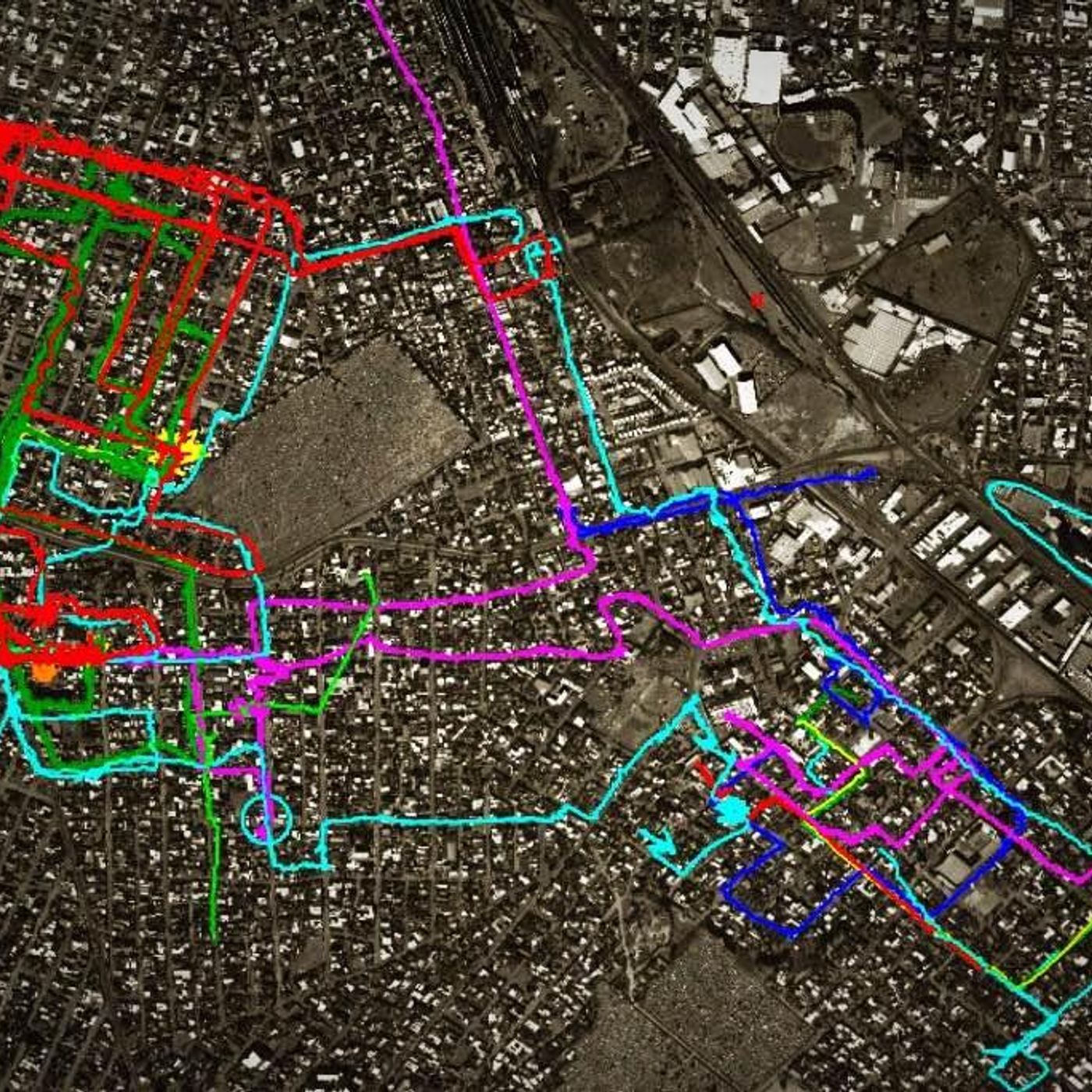
In 2004, when casualties in Iraq were rising due to roadside bombs, Ross McNutt and his team came up with an idea. With a small plane and a 44 mega-pixel camera, they figured out how to watch an entire city all at once, all day long. Whenever a bomb detonated, they could zoom onto that spot and then, because this eye in the sky had been there all along, they could scroll back in time and see - literally see - who planted it. After the war, Ross McNutt retired from the Air Force, and brought this technology back home with him. Manoush Zomorodi and Alex Goldmark from the podcast “Note to Self” give us the lowdown on Ross’s unique brand of persistent surveillance, from Juarez, Mexico to Dayton, Ohio. Then, once we realize what we can do, we wonder whether we should.

Produced by Andy Mills. Special thanks to Dan Tucker and George Schulz.

Support Radiolab by becoming a member today at Radiolab.org/donate.


Hosted by Simplecast, an AdsWizz company. See pcm.adswizz.com for information about our collection and use of personal data for advertising.

WNYC Studios is supported by WISE. WISE, the smart way to manage the currencies you need around the world. With a WISE account, you can send, spend, and receive in up to 40 currencies with only a few simple taps. Be smart, get WISE. Download the WISE app today. Terms and conditions apply. WNYC Studios is supported by Odo. When you buy business software from lots of vendors, the costs add up and it gets complicated and confusing. Odo solves this. It's a single company that sells a suite of enterprise apps that handles everything from accounting to inventory to sales. Odo is all connected on a single platform in a simple and affordable way. You can save money without missing out on the features you need. Check out Odo at ODOO.com. That's ODOO.com. RIDIOLab is supported by AT&T. We all love to connect via video calls or texts. Right now, at AT&T, you can get the new iPhone 18 Pro for $0 with iPhone Trading, any condition. It has the ultimate pro camera system and big leap in battery life so you can turn this deal into a long lasting connection. Learn how you can trade in your iPhone for the new iPhone 18 Pro requires trade-in of iPhone 14 or higher, excluding iPhone 16E and eligible plan. Terms and restrictions apply subject to change. Visit an AT&T store for details. This is RadioLab and I have the host of "Note to self" with me. That's another WNYC podcast that comes out of here. A brilliant one and the brilliant test person who does it all. My new son, Rody, is with me. Hello, Robert. And I asked you to come in just because I wanted you to sort of set this up if you could. Oh, happy to. So we did RadioLab and "Note to self" did a joint episode last year called "I in the Sky." It was a disturbing story. It's kind of like a spy thriller, actually. Definitely a spy thriller. And it turns out a lot has happened since that episode was first put out. Right. There have been developments which truly surprised me and I don't want to give you any details. So just listen to what's about to happen and then don't go away at the end. Stay. Okay. We'll begin. So how did you guys find out about this? How did you get into it? I think it was somebody was reading about it. This is Manush Samarote. He was reading or he was you reading about it. Right. And that's her producer, Alex Goldmark. And I just said his name is McNutt and I just wanted to do a show where I get to say that name at least 10 times, please. But then like we actually read it and it was weird and interesting and brought up lots of issues. Technology is remaking what is possible for individuals and for institutions and for the international order.
I'm Jad Abumrod. I'm Robert Krollich. This is Radio Lab. So here we are at this moment in time where we're faced with these decisions about what we want our future to look like, be like. There are fewer and fewer technical constraints on what we can do. That places a special obligation on us to ask tough questions about what we should do. Today we're going to look at the can and the should with our friends down the hall, Manush Samarote and Alex Goldmark. They're on a great podcast called Note to Self. They will be our guides into the world of McNutt. Yes. My name is Ross McNutt. So the McNutt, as I refer to him, he's an ex-military guy. Did 20 years in the Air Force. I enjoyed it. I did a lot of good. Like combat military? He was an engineer in the military. Yeah. I mean, I think he's actually special military. My background, I've got a PhD in rapid product development out of MIT. And what I do is I teach young people how to build new systems. And the new system, that's the system that we want to talk about, that kind of began in 2004. Ross was teaching a course at a military college. It was at the Air Force Institute of Technology here at Wright-Patterson and Dayton. Says one day in 2004, the whole school gathered together for a rally. And our commander got up in front of the whole school and said we need to do something to help the war effort. Terrible violence today in the Iraqi city of Basra. So at that time in the Iraq War. Before the surge. Things were not going well. Suicide bombs ripped through police buildings and city streets. IEDs hung off all over the place. Constant news about IEDs going off everywhere,

Transcription truncated.

An update on Ross McNutt and his superpower — he can zoom in on everyday life, then rewind and fast-forward to solve crimes in a shutter-flash. But should he? In 2004, when casualties in Iraq were rising due to roadside bombs, Ross McNutt and his team came up with an idea. With a small plane and a 44 mega-pixel camera, they figured out how to watch an entire city all at once, all day long. Whenever a bomb detonated, they could zoom onto that spot and then, because this eye in the sky had been there all along, they could scroll back in time and see - literally see - who planted it. After the war, Ross McNutt retired from the Air Force, and brought this technology back home with him. Manoush Zomorodi and Alex Goldmark from the podcast “Note to Self” give us the lowdown on Ross’s unique brand of persistent surveillance, from Juarez, Mexico to Dayton, Ohio. Then, once we realize what we can do, we wonder whether we should. Produced by Andy Mills. Special thanks to Dan Tucker and George Schulz. Support Radiolab by becoming a member today at Radiolab.org/donate.