ArchiveFM

At the 1998 Olympics in Nagano, Japan, one athlete pulled a move that, so far as we know, no one else had ever done in all of human history. Surya Bonaly was not your typical figure skater.  She was black. She was athletic. And she didn’t seem to care about artistry.  Her performances – punctuated by triple-triple jumps and other power moves – thrilled audiences around the world.  Yet, commentators claimed she couldn’t skate, and judges never gave her the high marks she felt she deserved.  But Surya didn’t accept that criticism.  Unlike her competitors – ice princesses who hid behind demure smiles – Surya made her feelings known.  And, at her final Olympic performance, she attempted one jump that flew in the face of the establishment, and marked her for life as a rebel.  This week, we lace up our skates and tell a story about loving a sport that doesn’t love you back, and being judged in front of the world according to rules you don’t understand.  Produced by Matt Kielty with help from Tracie Hunte. Reported by Latif Nasser and Tracie Hunte Special thanks to the Sky Rink at Chelsea Piers, the Schwan Super Rink, Richmond Training Center, Simon Bowers of Bowers Audio Service, Vanessa Gusmeroli, Phil Hersh, Allison Manley, Randy Harvey, Rob Bailey and Lynn Plage, Michael Rosenberg, and Linda Lewis If you heard "On the Edge" and you're looking to fall in love with figure skating all over again, start here: http://www.radiolab.org/story/here-are-skating-routines-we-cant-stop-watching/ You can take the survey we mentioned at the beginning of this episode here: https://www.research.net/r/wnyclistener  Thank you!  
Duration
46m
Broadcast on
21 Apr 2016
Audio Format
other

At the 1998 Olympics in Nagano, Japan, one athlete pulled a move that, so far as we know, no one else had ever done in all of human history.

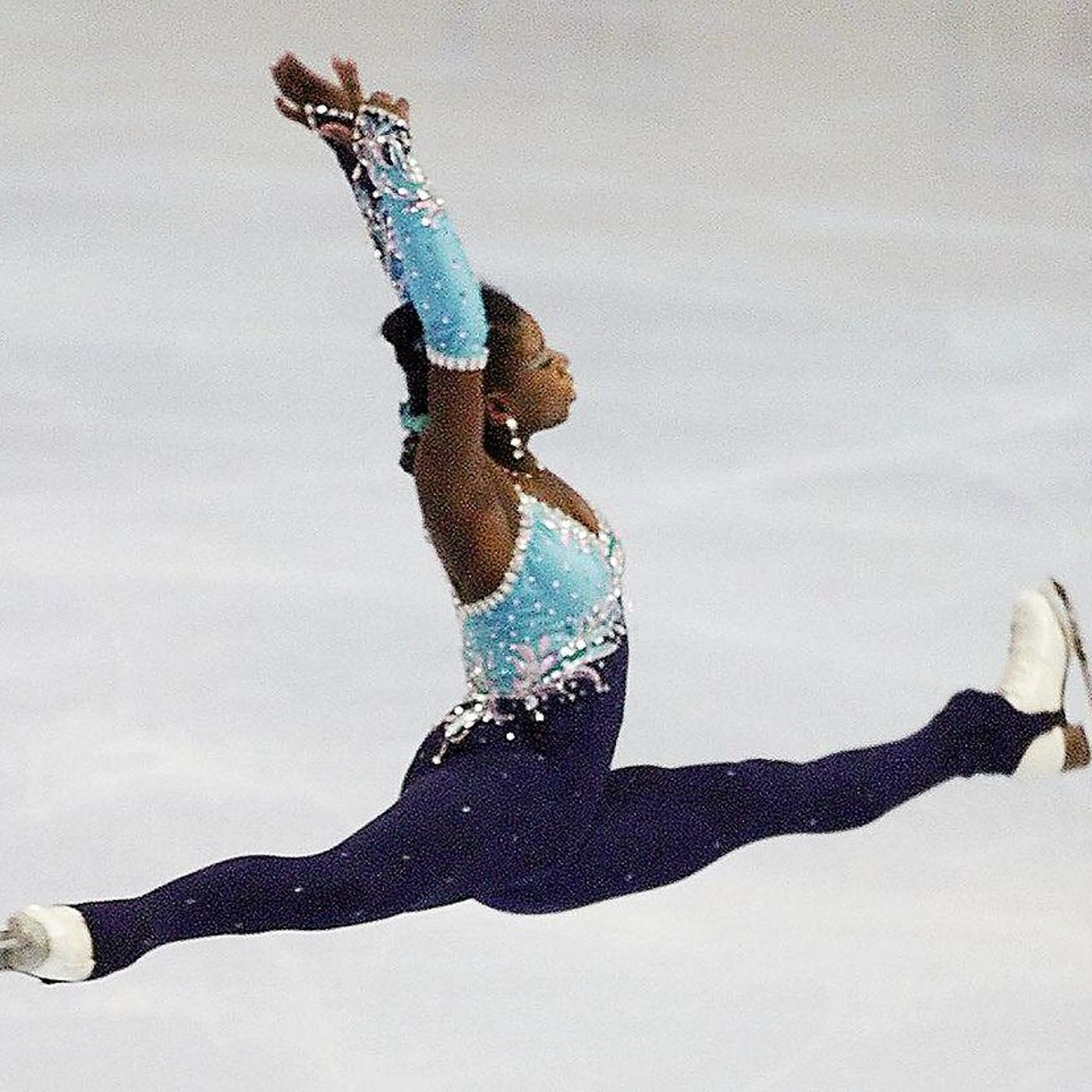
Surya Bonaly was not your typical figure skater.  She was black. She was athletic. And she didn’t seem to care about artistry.  Her performances – punctuated by triple-triple jumps and other power moves – thrilled audiences around the world.  Yet, commentators claimed she couldn’t skate, and judges never gave her the high marks she felt she deserved.  But Surya didn’t accept that criticism.  Unlike her competitors – ice princesses who hid behind demure smiles – Surya made her feelings known.  And, at her final Olympic performance, she attempted one jump that flew in the face of the establishment, and marked her for life as a rebel. 

This week, we lace up our skates and tell a story about loving a sport that doesn’t love you back, and being judged in front of the world according to rules you don’t understand. 

Produced by Matt Kielty with help from Tracie Hunte. Reported by Latif Nasser and Tracie Hunte

Special thanks to the Sky Rink at Chelsea Piers, the Schwan Super Rink, Richmond Training Center, Simon Bowers of Bowers Audio Service, Vanessa Gusmeroli, Phil Hersh, Allison Manley, Randy Harvey, Rob Bailey and Lynn Plage, Michael Rosenberg, and Linda Lewis

If you heard "On the Edge" and you're looking to fall in love with figure skating all over again, start here: http://www.radiolab.org/story/here-are-skating-routines-we-cant-stop-watching/

You can take the survey we mentioned at the beginning of this episode here: https://www.research.net/r/wnyclistener  Thank you!


Hosted by Simplecast, an AdsWizz company. See pcm.adswizz.com for information about our collection and use of personal data for advertising.

(swooshing) RadioLab is supported by AT&T. We all love to connect via video, a text, or a group chat that never stops. And right now, AT&T has a deal that will keep the connection going. You can get the new iPhone 18 Pro for $0 with eligible trade-in. It has the Ultimate Pro camera system and a big leap in battery life. So you can turn this deal into a long lasting connection. Learn how you can trade in your phone for the new iPhone 18 Pro at AT&T. Connecting changes everything. Required trade-in of $230 or more and eligible plan, terms, and restrictions apply, subject to change, visit an AT&T store for details. Before we get started, wondering if we could ask your help on a little something. So WNYC Studios, which is our home, wants to get a clear sense of how you listen, how you engage the shows that we make here. Shows like RadioLab. So if you have a second, there is a survey of WNYC.org/participate. It would really help us out if you answered a couple questions. That's WNYC.org/participate. And that link is also in the show notes for this episode. Thanks. - Oh, wait, you're listening to RadioLab, from WNYC. (clears throat) - You're listening to RadioLab. - RadioLab. - From WNYC. - C. - C. (laughing) - Okay, so then if, what, how we can introduce this? How would you convince the many people listening to stay listening? - 'Cause it's a great story. It doesn't matter that it's figure skating. It's like a really good story. It's a good story that like pops off of. It's like, okay, I'm Jada Bremron. - I'm Robert Krollick. - This is RadioLab. - And look, I've never been a huge fan of figure skating, but like this story, I think asks a really interesting question. - The question would be, what if you, with all your heart, want it to be the best at something, but the persons who judge what's the best

Transcription truncated.

At the 1998 Olympics in Nagano, Japan, one athlete pulled a move that, so far as we know, no one else had ever done in all of human history. Surya Bonaly was not your typical figure skater.  She was black. She was athletic. And she didn’t seem to care about artistry.  Her performances – punctuated by triple-triple jumps and other power moves – thrilled audiences around the world.  Yet, commentators claimed she couldn’t skate, and judges never gave her the high marks she felt she deserved.  But Surya didn’t accept that criticism.  Unlike her competitors – ice princesses who hid behind demure smiles – Surya made her feelings known.  And, at her final Olympic performance, she attempted one jump that flew in the face of the establishment, and marked her for life as a rebel.  This week, we lace up our skates and tell a story about loving a sport that doesn’t love you back, and being judged in front of the world according to rules you don’t understand.  Produced by Matt Kielty with help from Tracie Hunte. Reported by Latif Nasser and Tracie Hunte Special thanks to the Sky Rink at Chelsea Piers, the Schwan Super Rink, Richmond Training Center, Simon Bowers of Bowers Audio Service, Vanessa Gusmeroli, Phil Hersh, Allison Manley, Randy Harvey, Rob Bailey and Lynn Plage, Michael Rosenberg, and Linda Lewis If you heard "On the Edge" and you're looking to fall in love with figure skating all over again, start here: http://www.radiolab.org/story/here-are-skating-routines-we-cant-stop-watching/ You can take the survey we mentioned at the beginning of this episode here: https://www.research.net/r/wnyclistener  Thank you!