ArchiveFM

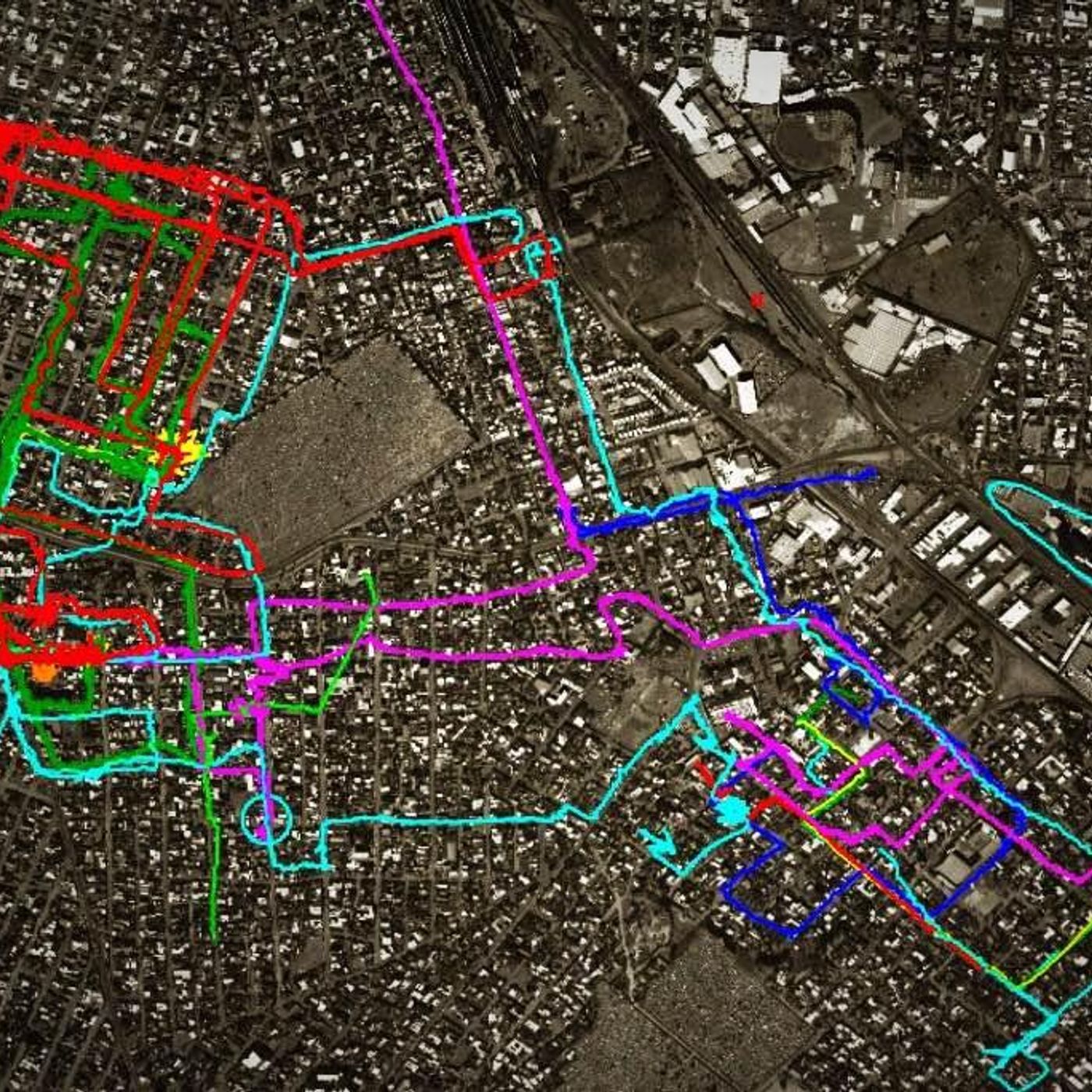
Ross McNutt has a superpower — he can zoom in on everyday life, then rewind and fast-forward to solve crimes in a shutter-flash. But should he? In 2004, when casualties in Iraq were rising due to roadside bombs, Ross McNutt and his team came up with an idea. With a small plane and a 44 mega-pixel camera, they figured out how to watch an entire city all at once, all day long. Whenever a bomb detonated, they could zoom onto that spot and then, because this eye in the sky had been there all along, they could scroll back in time and see - literally see - who planted it. After the war, Ross McNutt retired from the airforce, and brought this technology back home with him. Manoush Zomorodi and Alex Goldmark from the podcast “Note to Self” give us the low-down on Ross’s unique brand of persistent surveillance, from Juarez, Mexico to Dayton, Ohio. Then, once we realize what we can do, we wonder whether we should. Special thanks to Dan Tucker and George Schulz. If you're looking for the updated version of this show, you can check it out here. More info: Listen to Note to Self's episode on surveillance coverage. "New surveillance technology can track everyone in an area for several hours at a time," from the Washington Post "Hollywood-style surveillance technology inches closer to reality," from the Center of Investigative Reporting Ross McNutt's company Persistent Surveillance Systems
Duration
29m
Broadcast on
18 Jun 2015
Audio Format
other

Ross McNutt has a superpower — he can zoom in on everyday life, then rewind and fast-forward to solve crimes in a shutter-flash. But should he?

In 2004, when casualties in Iraq were rising due to roadside bombs, Ross McNutt and his team came up with an idea. With a small plane and a 44 mega-pixel camera, they figured out how to watch an entire city all at once, all day long. Whenever a bomb detonated, they could zoom onto that spot and then, because this eye in the sky had been there all along, they could scroll back in time and see - literally see - who planted it. After the war, Ross McNutt retired from the airforce, and brought this technology back home with him. Manoush Zomorodi and Alex Goldmark from the podcast “Note to Self” give us the low-down on Ross’s unique brand of persistent surveillance, from Juarez, Mexico to Dayton, Ohio. Then, once we realize what we can do, we wonder whether we should.

Special thanks to Dan Tucker and George Schulz.

If you're looking for the updated version of this show, you can check it out here.

More info:


Hosted by Simplecast, an AdsWizz company. See pcm.adswizz.com for information about our collection and use of personal data for advertising.

(swooshing) RadioLab is supported by AT&T. We all love to connect via video, a text, or a group chat that never stops. And right now, AT&T has a deal that will keep the connection going. You can get the new iPhone 18 Pro for $0 with eligible trade-in. It has the Ultimate Pro camera system and a big leap in battery life. So you can turn this deal into a long lasting connection. Learn how you can trade in your phone for the new iPhone 18 Pro at AT&T. Connecting changes everything. Required trade-in of $230 or more and eligible plan, terms, and restrictions apply, subject to change, visit an AT&T store for details. - Oh, wait, you're listening. - Okay. - All right. - Okay. - All right. (clearing throat) - You're listening to RadioLab. - RadioLab. - From WNYC. - WNYC. - WNYC. - C. (laughing)
- So how did you guys find out about this? How did you get into it? - I think it was somebody was reading about it. - This is Minush Samarodi. - He was reading, or he was you reading about it. - Right. - Yeah, and that's her producer, Alex Goldmark. - And I just said, his name is McNutt, and I just wanted to show where I get to say that name, at least 10 times, please. But then, like, we actually read it and it was weird and interesting and brought up lots of issues. - Technology is remaking what is possible for individuals and for institutions and for the international order. - I'm Jad Abumrod. - I'm Robert Krollich. - This is RadioLab. So here we are at this moment in time where we're faced with these decisions

Transcription truncated.

Ross McNutt has a superpower — he can zoom in on everyday life, then rewind and fast-forward to solve crimes in a shutter-flash. But should he? In 2004, when casualties in Iraq were rising due to roadside bombs, Ross McNutt and his team came up with an idea. With a small plane and a 44 mega-pixel camera, they figured out how to watch an entire city all at once, all day long. Whenever a bomb detonated, they could zoom onto that spot and then, because this eye in the sky had been there all along, they could scroll back in time and see - literally see - who planted it. After the war, Ross McNutt retired from the airforce, and brought this technology back home with him. Manoush Zomorodi and Alex Goldmark from the podcast “Note to Self” give us the low-down on Ross’s unique brand of persistent surveillance, from Juarez, Mexico to Dayton, Ohio. Then, once we realize what we can do, we wonder whether we should. Special thanks to Dan Tucker and George Schulz. If you're looking for the updated version of this show, you can check it out here. More info: Listen to Note to Self's episode on surveillance coverage. "New surveillance technology can track everyone in an area for several hours at a time," from the Washington Post "Hollywood-style surveillance technology inches closer to reality," from the Center of Investigative Reporting Ross McNutt's company Persistent Surveillance Systems