For the Birds
This episode appears to contain dynamically inserted ads. Transcript timestamps may be approximate.
Today, a lady with a bird in her backyard upends our whole sense of what we may have to give up to keep a wild creature wild.
Hosted by Simplecast, an AdsWizz company. See pcm.adswizz.com for information about our collection and use of personal data for advertising.
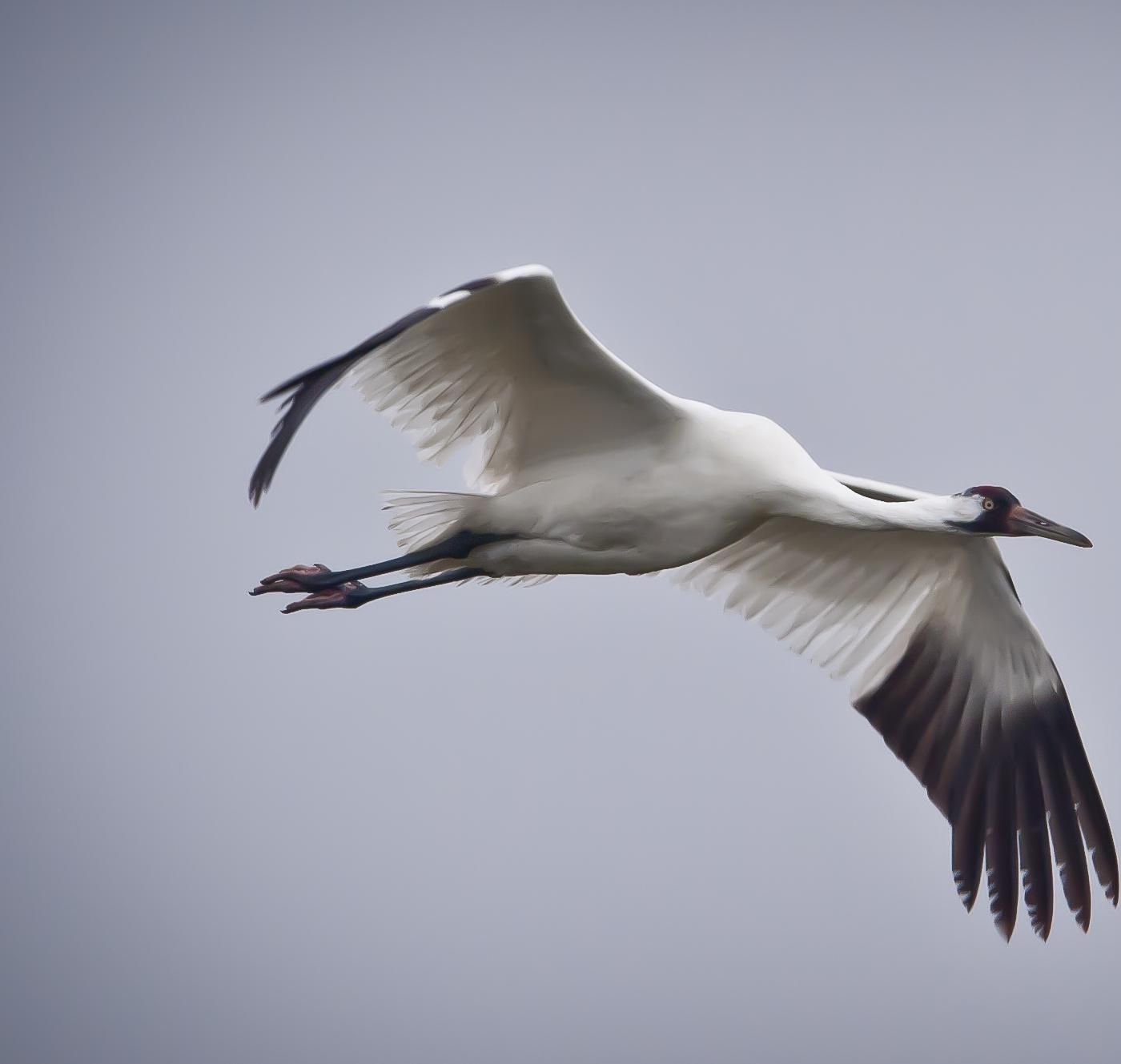
RIDILEB is supported by AT&T. We all love to connect via video calls or texts. Right now, at AT&T, you can get the new iPhone 18 Pro for $0 with iPhone trade-in. Any condition. It has the ultimate pro camera system and big leap in battery life, so you can turn this deal into a long-lasting connection. Learn how you can trade in your iPhone for the new iPhone 18 Pro requires trade-in of iPhone 14 or higher, excluding iPhone 16E, an eligible plan. Terms and restrictions apply, subject to change, visit an AT&T store for details. Hey, I'm Chad Abumrod. I'm Robert Krillich. This is Radio Lab. The podcast. And here's what I want to do today. You know what we just did the hour-long show about the Galapagos. In the middle of that show, we hit on this idea that there are so many of us on the planet now doing so many different things which affect the air and the water. The creatures on the planet can no longer really be uninfluenced by our presence. They can't be truly wild. That made me wonder, well, if you want to give the other creatures on Earth a little more room to be wild and independent, then what do we have to give up? In fact, how much are we willing to give up to make that happen? I don't know, these are tough questions. I mean, you know, I'm not good at the answer part, right? So, this is John Moallam. I'm John Moallam. I wrote a book called Wild Ones, and I'm a writer with the New York Times magazine. And being a writer, he told me a story. This is a story which shed sunlight on this question, but I think you'd have to say it's a difficult light. So there was a family of whooping cranes that had been part of this story revolves around a project to create a wild flock of whooping cranes. One of the most spectacular birds in the world, five foot tall, pitch white, you know, with black wingtips, got a seven foot wingspan, beautiful flyer. This is Joe Duff. I'm the co-founder of Operation Migration, the current CEO. Now we've done a story on Operation Migration before in Radiolab, but here's the gist. At one point, the whooping crane population in North America was down to like 15 birds, just one flock. So Joe and a bunch of other folks decided to see if they could start a new flock of cranes. So they raised some cranes in Wisconsin, and then they teach them a new migration route to Florida by leading them there in an ultralight airplane. Yeah, Joe, in addition to being founder and CEO, is also the lead pilot. Right. How long have you been doing this for a while, right? I started flying with birds in '93, 20 years. And the key to this whole project, Joe says, is to eliminate all things human. These are wild creatures. You know, we do this whole thing in full costume, so the birds don't hear voices, they don't see buildings or any other human paraphernalia in order to maintain their wildness.
Transcription truncated.
Today, a lady with a bird in her backyard upends our whole sense of what we may have to give up to keep a wild creature wild.