Apocalyptical
This episode appears to contain dynamically inserted ads. Transcript timestamps may be approximate.
Cataclysmic destruction. Surprising survival. In this new live stage performance, Radiolab turns its gaze to the topic of endings, both blazingly fast and agonizingly slow.
Hosted by Simplecast, an AdsWizz company. See pcm.adswizz.com for information about our collection and use of personal data for advertising.
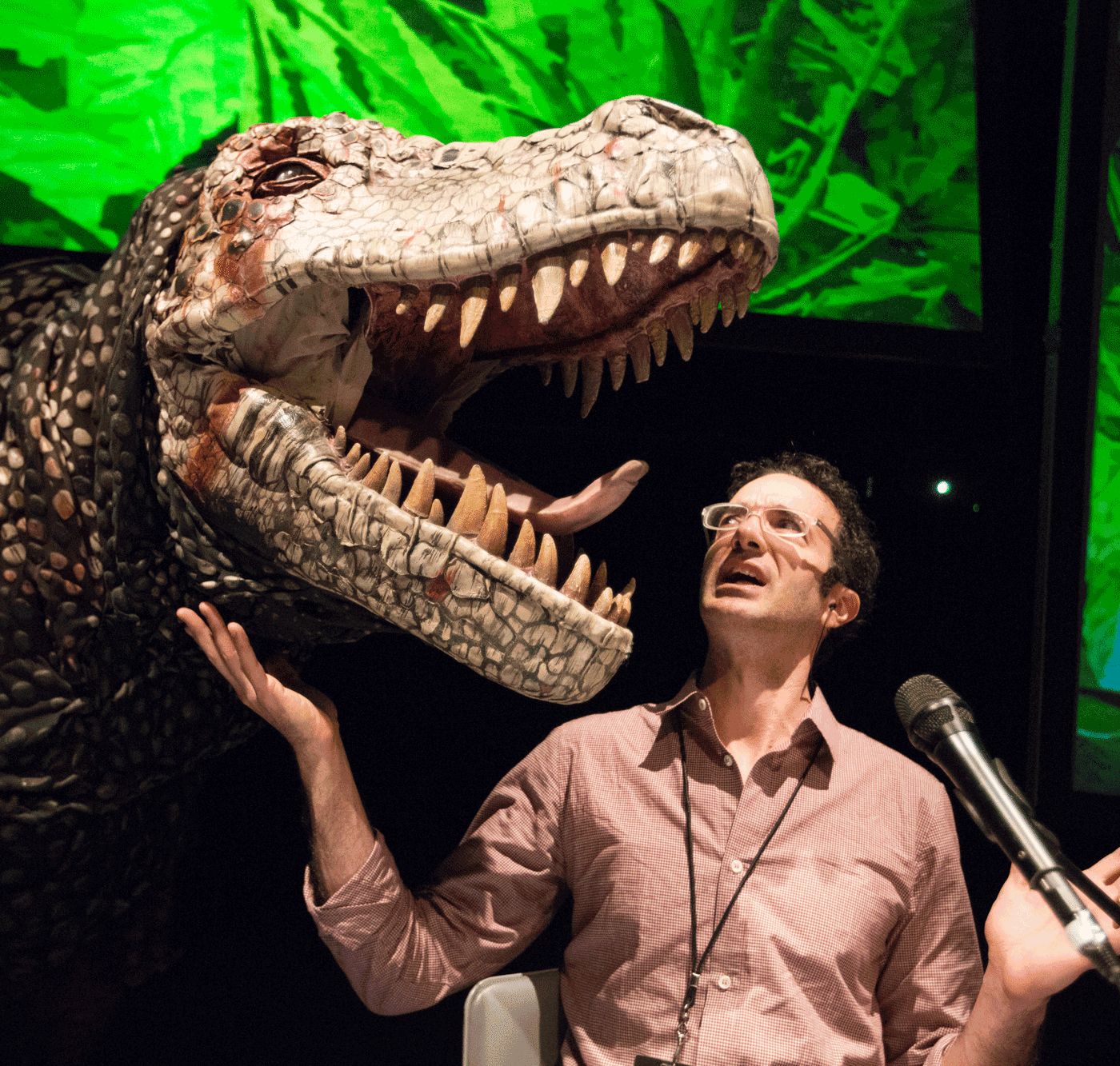
[APPLAUSE] Wait, you're listening to Radio Lab from WNYC and NPR. Ladies and gentlemen, please welcome to the stage your hosts for this evening, John Aberrata, Robert Colerich. So Robert and I have been on tour for the last two months. We went to city after city after city. Something like 21 cities we went to. Here, we were both sick. They kicked their asses, but it was so much fun. And the show is called "Apocalyptical," it was about endings. Which is not the most obvious topic to choose to invite people into a theater. So here we're going to just tell you different stories that end really brilliantly. But these are-- this is a series of ending stories. That's what we did that night. And we did it with some amazing musicians and comedians and video artists who are projecting beautiful images on these massive screens above our head. And also, we had puppets. On this beautiful, articulate, gorgeous puppets. And you can see all this. We are releasing a really nicely shot video of this entire performance. At the same time as this audio podcast, go to radiolab.org/live. You can watch the whole thing. And you know, some of the best moments of the show were purely visual, so we'd encourage you to check it out. But what follows is the audio podcast version of that show, which we recorded live at the Paramount in Seattle. The show actually begins with a radical rethinking of one of the most important ending stories that has ever happened on planet Earth, which is the story about the end of the dinosaurs. There's also kinds of dinosaur puppetry, beautiful stuff at the beginning, which we're going to skip over. But again, you can check it out at radiolab.org/live. We're going to jump to the part where we hear from scientists who have been forensically probing this moment and have a totally new way of thinking about it. OK, we're going to start you off with a guy, well, the guy who started it off for us. It's a guy named Jay. Jay Molash, professor at Purdue University, and I study impact craters, among other things. Not only can Jay Molash create impact craters with his mind, but he and his colleagues have been investigating this moment almost as if it were a crime scene that happened not 60 million years ago, but yesterday. In the story that they've put together, it's more than just interesting. It's frankly, it's frankly terrifying. And weirdly specific as it happens. Take for example, the seemingly simple question of when. When did it happen? You don't mean like the year. That would be a little too specific. No, I don't know if you remember, but Jay got even more specific than that. This was a casual question that I threw out. Listen to his answer. By the way, do we know anything about seasons?
Transcription truncated.
Cataclysmic destruction. Surprising survival. In this new live stage performance, Radiolab turns its gaze to the topic of endings, both blazingly fast and agonizingly slow.