The Bitter End
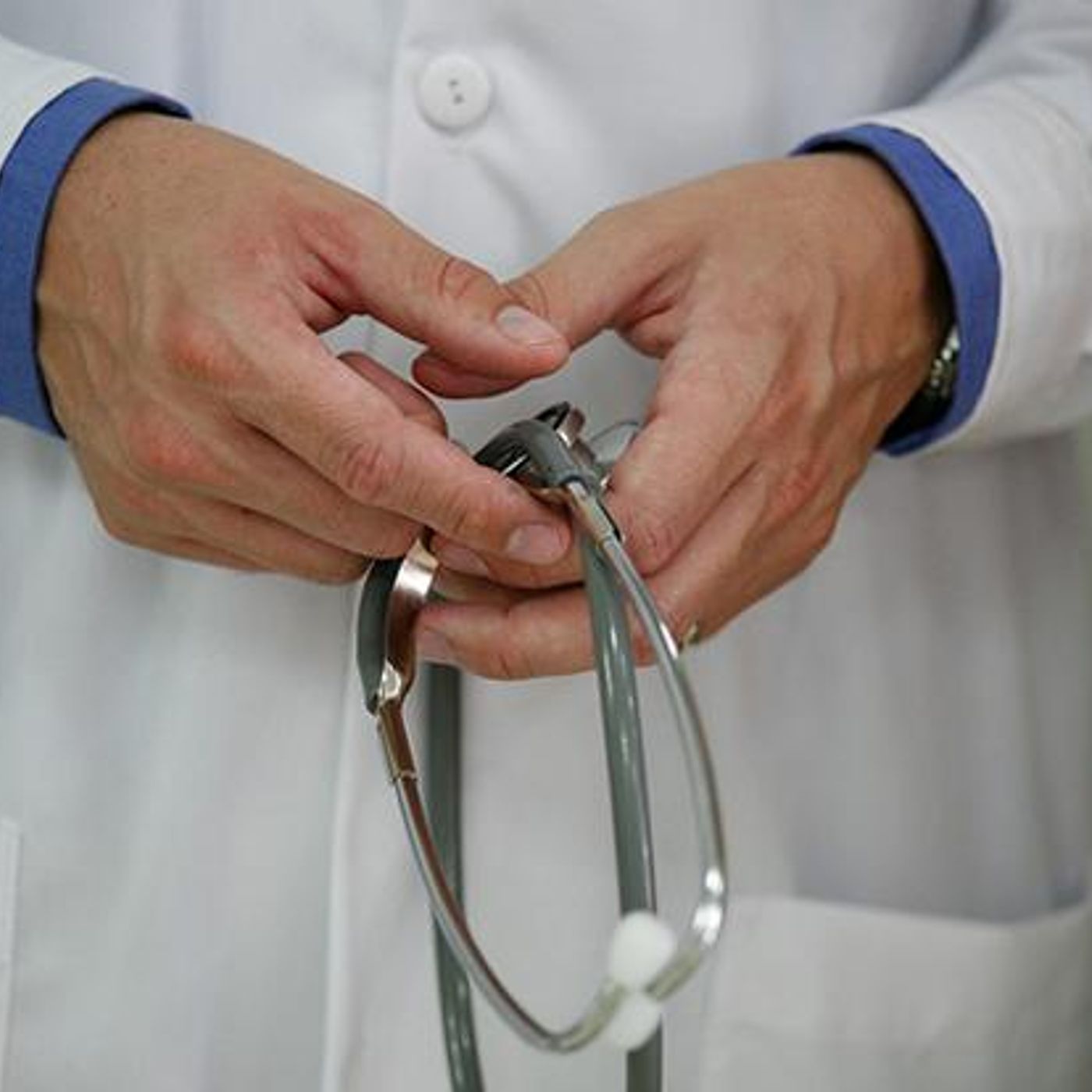
We turn to doctors to save our lives -- to heal us, repair us, and keep us healthy. But when it comes to the critical question of what to do when death is at hand, there seems to be a gap between what we want doctors to do for us, and what doctors want done for themselves.
- Duration
- 22m
- Broadcast on
- 15 Jan 2013
- Audio Format
- other
This episode appears to contain dynamically inserted ads. Transcript timestamps may be approximate.
We turn to doctors to save our lives -- to heal us, repair us, and keep us healthy. But when it comes to the critical question of what to do when death is at hand, there seems to be a gap between what we want doctors to do for us, and what doctors want done for themselves.
Hosted by Simplecast, an AdsWizz company. See pcm.adswizz.com for information about our collection and use of personal data for advertising.
WNYC Studios is supported by ODU. When you buy business software from lots of vendors, the costs add up and it gets complicated and confusing. ODU solves this. It's a single company that sells a suite of enterprise apps that handles everything from accounting to inventory to sales. ODU is all connected on a single platform in a simple and affordable way. You can save money without missing out on the features you need. Check out ODU at ODOO.com. That's ODOO.com. Radialab is supported by AT&T. We all love to connect via video calls or texts. Right now, at AT&T, you can get the new iPhone 18 Pro for $0 with iPhone trade-in, any condition. It has the ultimate Pro camera system and big leap in battery life so you can turn this deal into a long lasting connection. Learn how you can trade in your iPhone for the new iPhone 18 Pro requires trade-in of iPhone 14 or higher, excluding iPhone 16E and eligible plan. Terms and restrictions apply subject to change, visit an AT&T store for details. You're listening to Radialab from WNYC and NPR. Hey, I'm Chad, I'm Rod. I'm Robert Krollich. This is Radialab. The podcast. Oh, does that, how it usually works? Do you say the podcast? Somehow, it just sounds so different to me. Something just got something. That's really how we did it. Well, we could try it. We could just do it differently then. That's the difference. Maybe try to go first. Go first. That always shocks you. Yeah, do it. Hi, I'm Robert Krollich. I'm Chad, I've been Rod. And this is Radialab. The podcast. And on this podcast, we are going to have a conversation, not an easy conversation, I wouldn't say. No. It begins really with a difficult question. Maybe the most difficult question a person can be asked. And asking for us is our producer Sean Cole. Well, this story starts with a doctor. A guy named Joseph Gallo. Hello? Can you hear me, Joe? Yeah. Oh, okay, great. Yeah. He's a real sweetheart, actually. I feel like a celebrity, you're sending a sound person here. Joe's an MD, but he's also a professor at Johns Hopkins University in Baltimore.
Transcription truncated.
We turn to doctors to save our lives -- to heal us, repair us, and keep us healthy. But when it comes to the critical question of what to do when death is at hand, there seems to be a gap between what we want doctors to do for us, and what doctors want done for themselves.