Inheritance
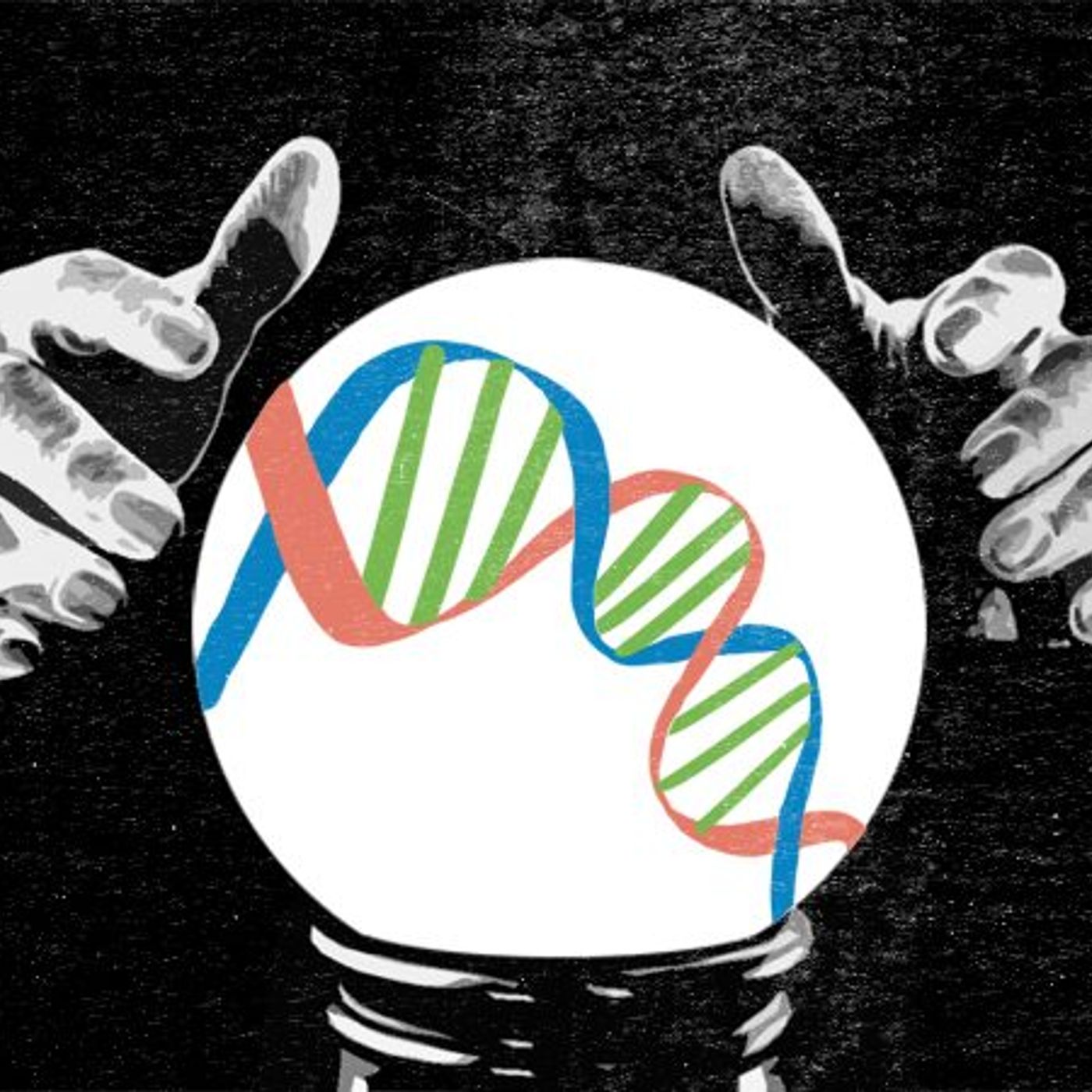
Once a kid is born, their genetic fate is pretty much sealed. Or is it? This hour, we put nature and nurture on a collision course and discover how outside forces can find a way inside us, shaping not just our hearts and minds, but the basic biological blueprint that we pass on to future generations.
- Duration
- 1h 3m
- Broadcast on
- 19 Nov 2012
- Audio Format
- other
This episode appears to contain dynamically inserted ads. Transcript timestamps may be approximate.
Once a kid is born, their genetic fate is pretty much sealed. Or is it? This hour, we put nature and nurture on a collision course and discover how outside forces can find a way inside us, shaping not just our hearts and minds, but the basic biological blueprint that we pass on to future generations.
Hosted by Simplecast, an AdsWizz company. See pcm.adswizz.com for information about our collection and use of personal data for advertising.
I want to start with a parental daydream for a second. It's an idea that's been kicking around for me since my kids were born. The idea itself is pretty old. It goes back to the 1800s. Right around Napoleon's time. To a fellow by the name of Jean Baptiste Pierre Antoine Moniz Chevalier, the Lamar. Yup. Lamar, Jean Baptiste Lamar, who, according to writer Sam Keene. He was really one of the first grand theorists in biology. He actually coined the word biology, too. Really? Yup. His big idea, as you might know, is that what a person does in their lifetime could be directly passed to their kids. Very easily. His famous example was giraffes. Lamar said, "Do you want to know how a giraffe got its long neck?" One day this giraffe, mother giraffe, let's say, was looking up into a tree and saw some fruit and had to stretch her neck and stretch again. Whole lifetime is stretching, and then when she had a baby, stretching got into the baby. And then that baby would stretch and stretch and stretch and give a little more stretching to its baby. And eventually, over the millennia, what you'd get is a creature with a very long neck. Because they're reaching for the tops of trees. It makes a kind of common sense, really. It does. It does make kind of a folk sense. He thought it worked with humans, too. His example with humans was a blacksmith. He thought that because they're swinging hammers all day, they got big, bulky muscles. And then they would pass the muscles to their children. The sneaky idea here is that the blacksmiths, the giraffes, they made it happen. They will the neck to get longer, the muscles to get bigger. And the key point is that it wasn't something inborn in them. It was something they acquired during their lifetime. Which they passed to their kids. Right. And that's wrong. That's not how it works. We now know that that's not the case. But wouldn't it be nice if that's how it worked? Ocean. Well, let's read the book first. We did. Because, you know, now that I've got these two kids, right? Yeah. Do you see the owl? Yeah. Right there. I find myself thinking, like, OK, I know these kids have their genes, have for me, have for my wife. And I know I can't change those genes. Right there. And I know fate is going to give them a couple of random mutations in those genes that I have no control over. That is just a cold logic of Darwinian evolution.
Transcription truncated.
Once a kid is born, their genetic fate is pretty much sealed. Or is it? This hour, we put nature and nurture on a collision course and discover how outside forces can find a way inside us, shaping not just our hearts and minds, but the basic biological blueprint that we pass on to future generations.