A War We Need
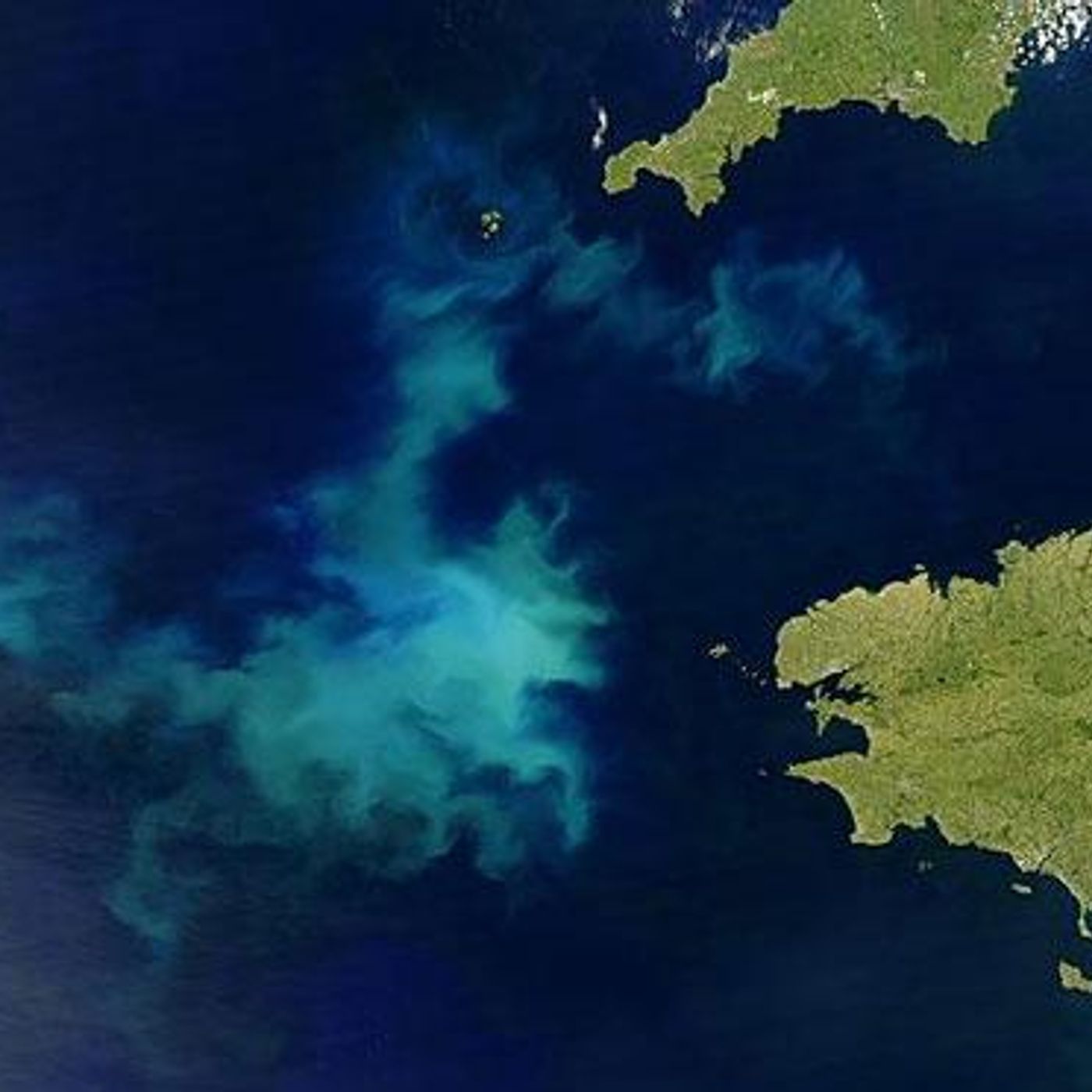
Every day, every moment, an epic battle is raging across the globe. It's happening in the ocean. And the evidence is both highly visible and totally hidden, depending on your perspective. In this short, the tale of an arms race involving trillions of sea creatures--and why their struggle is vital to our survival.
- Duration
- 10m
- Broadcast on
- 05 Mar 2012
- Audio Format
- other
This episode appears to contain dynamically inserted ads. Transcript timestamps may be approximate.
Every day, every moment, an epic battle is raging across the globe. It's happening in the ocean. And the evidence is both highly visible and totally hidden, depending on your perspective. In this short, the tale of an arms race involving trillions of sea creatures--and why their struggle is vital to our survival.
Hosted by Simplecast, an AdsWizz company. See pcm.adswizz.com for information about our collection and use of personal data for advertising.
Oh, wait, you're listening to Radio Lab. Radio Lab. From WNYC and NPR. I'm Robert Krollowich. This is Radio Lab, the podcast, and today we're going to talk about global warfare. The vast battle across the planet on a scale that is really hard to believe, involving trillions of deaths. And yet, we really need this war because without it, I wouldn't be here. You wouldn't be here. Chad wouldn't be here. And you may have noticed he isn't here. And it's not because of awards because he had a baby. But before Chad went on paternity leave, we sat down with Ari Daniel Shapiro. Okay. And he told us this story. Here it comes. So here we are at the center for the culture of a million finder plankton. This is Willy. And I always say it. Willy Wilson. Willy Wilson, this is his name? Yeah, that's tough. Just like his grandfather, actually. Yeah. My dad's William Wilson. Long line of William Wilson's. Your son? My son is Angus, but he's Angus William Wilson, so I love that guy. Willy works at the Bigelow Laboratory for Ocean Sciences in Maine. Okay. And he studies these tiny plant-like creatures that live in the sea called phytoplankton. Right. He keeps them in a fridge in these little test tubes, half full of kind of greenish water. He pulled one out and showed it to me. And it doesn't really look like there's that much going on in there. But actually right at the bottom, you can see what looks like a white. Is that a goo? What is it? It's the carnage of war. In that test tube that Willy's holding are millions of tiny single-celled plants called cocalithophores. Cocalithophores. Yeah. And there are lots of them in the sea. There's probably about 100,000 of these cocalithophores in a teaspoon of seawater. Tell me about the cocalith. What do they look like? They're basically like tiny little translucent balls that it's like tinge of green. And the key thing is they're full. And the outside of that ball is it has these white plates.
Transcription truncated.
Every day, every moment, an epic battle is raging across the globe. It's happening in the ocean. And the evidence is both highly visible and totally hidden, depending on your perspective. In this short, the tale of an arms race involving trillions of sea creatures--and why their struggle is vital to our survival.