'The Interview': Raja Shehadeh Believes Israelis and Palestinians Can Still Find Peace
This episode appears to contain dynamically inserted ads. Transcript timestamps may be approximate.
The writer and lawyer has been documenting the occupation for decades. Somehow, he maintains hope.
- Thoughts? Email us at [email protected]
- Watch our show on YouTube: youtube.com/@TheInterviewPodcast
- For transcripts and more, visit: nytimes.com/theinterview
For more information on today’s episode, visit nytimes.com/thedaily. Transcripts of each episode will be made available by the next workday.
Subscribe today at nytimes.com/podcasts or on Apple Podcasts, Spotify and Amazon Music. You can also subscribe via your favorite podcast app here https://www.nytimes.com/activate-access/audio?source=podcatcher. For more podcasts and narrated articles, download The New York Times app at nytimes.com/app.
Hosted by Simplecast, an AdsWizz company. See pcm.adswizz.com for information about our collection and use of personal data for advertising.
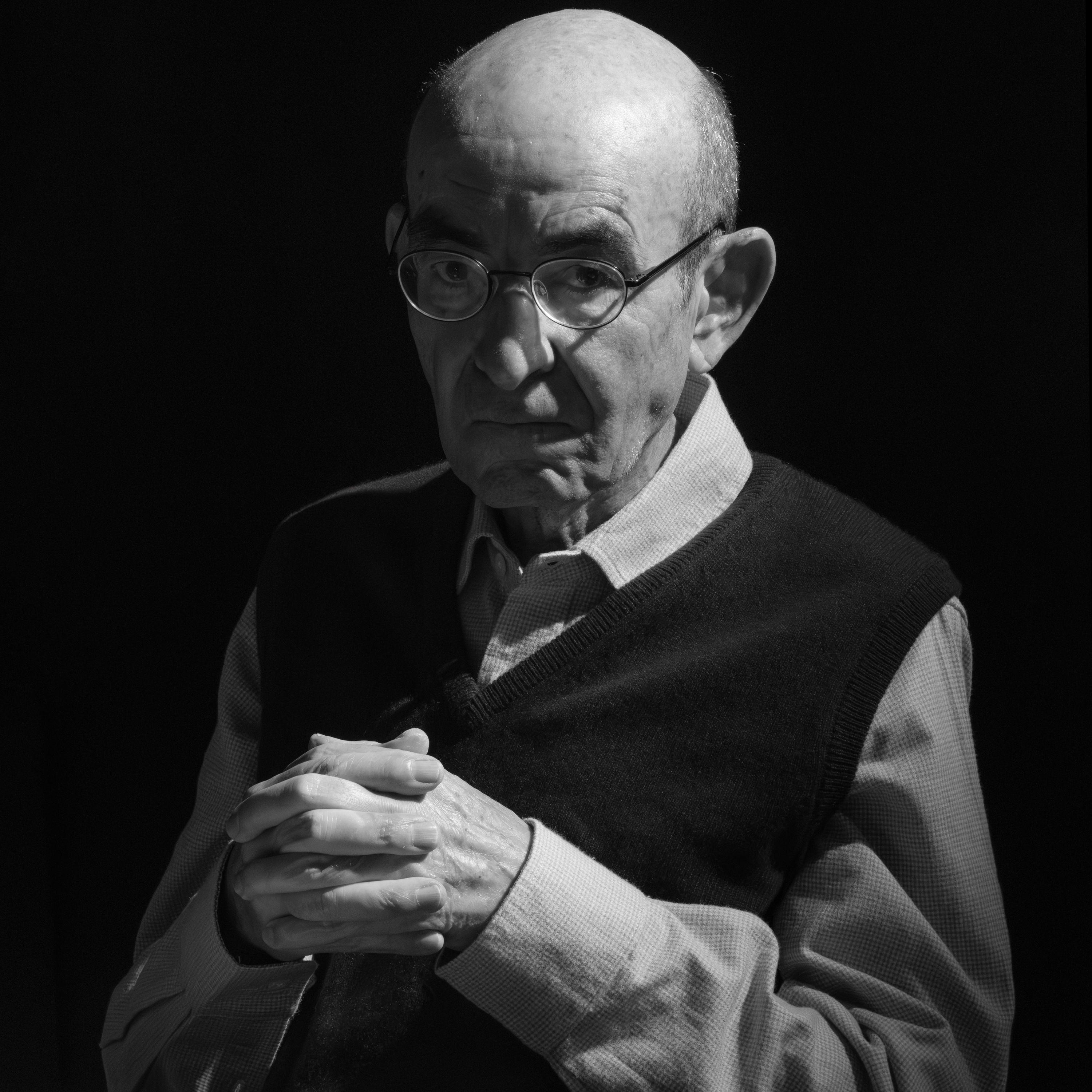
This podcast is supported by TikTok. Sometimes the most interesting discoveries are the ones you weren't looking for. That happens every day on TikTok. A science experiment can spark a whole new interest. A recipe you stumble upon can become a meal you make for the people you love. And a restaurant you've never heard of might become your new favorite spot. That's the thing about TikTok. Follow your curiosity and see where it leads. Your next discovery is waiting on TikTok. [MUSIC] >> From the New York Times, this is the interview. I'm David Marquesi. [MUSIC] The writer, lawyer, and human rights activist, Raja Shahade, who's 74, has spent most of his life living in Ramallah, a city in the Israeli-occupied West Bank. Since he was a much younger man, he's been writing about what it's been like for him and other Palestinians to live under Israeli occupation. That work, which is defined by precise description and powerfully measured emotion, has won him widespread acclaim. His 2007 book, Palestinian Walks, forays into a vanishing landscape, won Britain's Orwell Prize for political writing. And here in the United States, his book, We Could Have Been Friends, My Father and I, was a finalist for the 2023 National Book Award. He's also a co-founder of Al-Hock, a human rights organization that has documented abuses against Palestinians in the occupied territories for over 45 years. To reach Shahade's work, including over the years several pieces for the New York Times opinion section, is to be exposed to a thinker with a long and stubbornly optimistic view of the Israeli-Palestinian conflict. One who believes that peace remains possible. He also believes that for peace to have any chance of prevailing, there's so much from the dominant stories told about the region, to how we talk about the conflict in the first place that needs to be reconsidered. But at the end of another brutal year of strife and suffering, with a ceasefire between Israel and Hamas holding, but a plan for what's next still unclear, I thought it might be helpful to speak with a writer who has a real sense of the ways in which the past need not predict the future,
Transcription truncated.
The writer and lawyer has been documenting the occupation for decades. Somehow, he maintains hope.