The Parable of the Other Two Sons: Knowing and Doing the Father’s Will
The Parable of the Other Two Sons: Knowing and Doing the Father’s Will
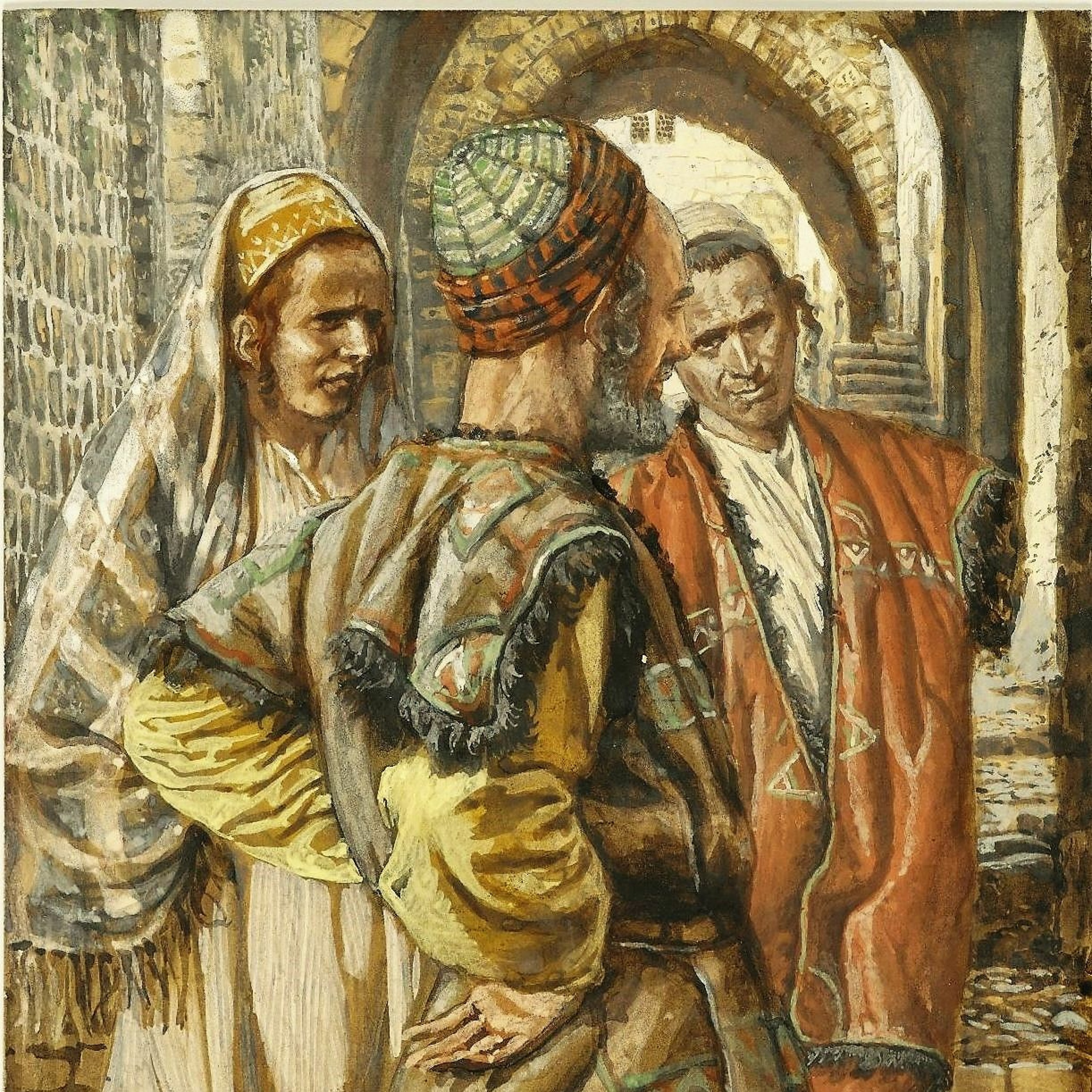
Today’s Gospel is the other parable of the two sons.
Scripture poses the question, which one did the will of the father? The story tells of a son who says no to going out into the field and work. He says NO!, but he changes his mind, and goes to the field. The second son says yes sir but does not go. Which did his father’s will?
This is a parable Jesus tells us, in this Gospel. The Lord speaks to the authority, to the religious people of the day when He tells the parable. He speaks to people having hearts that are content or complacent with their own goodness. Jesus then asks them, tell Me what you think. The Lord, in a way, is holding up a mirror for us, in this passage of St. Matthew’s Gospel. Hear more of this Gospel and Homily.
This parable is not about inheritance. It is about working in the fields. The first son, at first, refuses to do what his father wants him to do. This one who was so strong in his rejection, Jesus tells us, at some point he rethinks that and goes to the fields. He lays aside his firmness, but obeys.
Hear more about both sons and the lessons for us. Listen to this Meditation Media.
- Duration
- 23m
- Broadcast on
- 19 Dec 2022
- Audio Format
- other
This episode appears to contain dynamically inserted ads. Transcript timestamps may be approximate.
The Lord be with you, a reading from the Holy Gospel according to Matthew. Jesus said to the chief priests and the elders of the people, "What is your opinion?" A man had two sons. He came to the first and said, "Son, go out and work into vineyard today." The son said in reply, "I will not." But afterwards he changed his mind and went. The man came to the other son and gave the same order. He said in reply, "Yes, sir," but did not go. "Which of the two did his father's will?" They answered, "The first." Jesus said to them, "Amen, I say to you, tax collectors and prostitutes are entering into the kingdom of God before you." When John came to you in the way of righteousness, you did not believe him, but tax collectors and prostitutes did. Yet even when you saw that, you did not later change your minds and believe him, the gospel of the Lord. As the Advent Gospel ordinarily for today is almost identical to the gospel we heard last Sunday, and we missed this particular gospel reading yesterday on our Feast of Saint Lucy, it seemed opportune to reflect on this remarkable passage from the gospel of Saint Matthew, the other parable of two sons. Those of us who've been around the church for a while are more than a little familiar with the famous parable of two sons, the famous parable of the prodigal son. In Saint Matthew's gospel, however, there is this reference to the two sons, very different from what we hear in Saint Luke's gospel, but with a strong note like that one of reconciliation and response about it. The Lord speaking to the religious leaders, to the self-righteous to the authorities of the day, in a sense to those whose hearts are complacent in their sense of their own goodness, says to them, "Tell me what you think and we always have to worry when Jesus puts that question in front of us because we're never going to come out looking really good." And so the Lord sets a trap. He says, "I'm going to serve up something that's really painfully obvious for you to recognize, but what he's really doing is he's holding up a mirror for us to see ourselves in." And we want to think of this parable of the two sons from Saint Matthew's gospel as exactly that. The Lord is holding up a mirror and he's saying, "What do you see here? Whose reflection is that? What is this saying about you?" And so he says, "A man had two sons." And again, right away, we have to bracket our tendency to say, "And the younger one was the prodigal son and the older one was the good son and recognize that this is a bit different than that because this is not about an inheritance. This is about working in the vineyard." And so the father says to the first son, we don't know if he's the older son or the younger son, just that he's the first one to whom the father spoke. And he says to the first son, "Go! Work in the vineyard today." And that son looks at his father and says, "No, I am not going to do that." And so his response is an initial refusal of his father's will. It's not an indifference. It is an actual active refusal of the father's will. He knows what his father wants him to do and knowing what his father wants him to do, he refuses. And so this is not, "Oh, I didn't hear you. This is not, I misunderstood. This is knowing perfectly well," what is asked. He says, "No, I will not do that." And we have to linger with that definitiveness, the definite character of that refusal. It is not ambiguous by any stretch of the imagination. It's said with a certain firmness, "I will not go. It is not my will to do that." And yet Jesus says, "This one who was so strong, so firm and so immediate in his rejection at some point thinks the better of that and goes. He lays aside the firmness, the stubbornness, the defiance with which he first responded and obeys at a delay, but he obeys. And that obedience, that going to the father's vineyard to work, involves him getting over the strength of that refusal in the first place." And the Lord says, "But after the first son rejected him, the father went to the other son. We don't know that he's the younger son. We just know he's the second guy who gets asked." And the father says to him, "Go and work in my vineyard." And we see here now another personality type, "Yes, I'll get right on that. Your wish is my command. I am going to do this for you." It is immediate. It is apparently generous. It is positive. It is responsive. There is not a hint of negativity about it, except that it goes
Transcription truncated.
The Parable of the Other Two Sons: Knowing and Doing the Father’s Will
Today’s Gospel is the other parable of the two sons.
Scripture poses the question, which one did the will of the father? The story tells of a son who says no to going out into the field and work. He says NO!, but he changes his mind, and goes to the field. The second son says yes sir but does not go. Which did his father’s will?
This is a parable Jesus tells us, in this Gospel. The Lord speaks to the authority, to the religious people of the day when He tells the parable. He speaks to people having hearts that are content or complacent with their own goodness. Jesus then asks them, tell Me what you think. The Lord, in a way, is holding up a mirror for us, in this passage of St. Matthew’s Gospel. Hear more of this Gospel and Homily.
This parable is not about inheritance. It is about working in the fields. The first son, at first, refuses to do what his father wants him to do. This one who was so strong in his rejection, Jesus tells us, at some point he rethinks that and goes to the fields. He lays aside his firmness, but obeys.
Hear more about both sons and the lessons for us. Listen to this Meditation Media.