Where Kids Play
This episode appears to contain dynamically inserted ads. Transcript timestamps may be approximate.
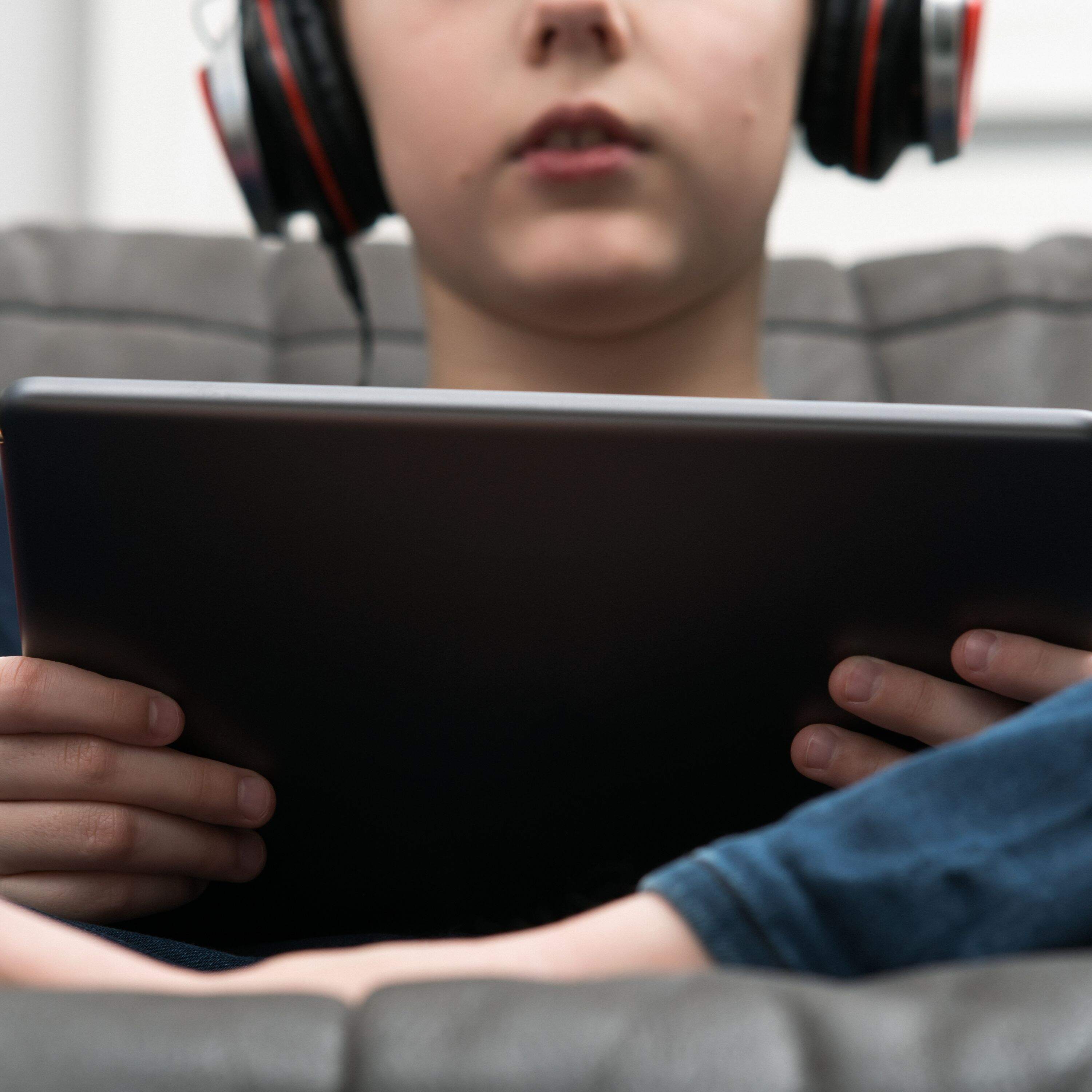
During the holidays, the kids are off from school, so they might be enjoying some extra screentime. It’s a reality many parents begrudgingly accept. But is time spent playing online games always a cause for concern? On The Sunday Story, host Ayesha Rascoe (whose kids are spending a lot of time lately playing Roblox, Minecraft and Fortnite) sits down with researcher Eli Stark-Elster to clear up some misconceptions around the harms of screentime.
See pcm.adswizz.com for information about our collection and use of personal data for sponsorship and to manage your podcast sponsorship preferences.
NPR Privacy Policy
See pcm.adswizz.com for information about our collection and use of personal data for sponsorship and to manage your podcast sponsorship preferences.
NPR Privacy Policy
I'm Aisha Roscoe and this is a Sunday story from up first where we go beyond the news of the day to bring you one big story. So the holidays are upon us and I know in my house right now, I am co-parenting five children and if your house is anything like mine, there are a lot of screens. Everybody in the house, all the kids, they either have a tablet, a phone or a video game. Sometimes they have multiple and they're going a lot of the time, especially during the holidays because they're not in school. So there's a lot of roadblocks and Tokoboka and Minecraft and Fortnite and everybody's playing something on something. And with all those screens and all of these online games, I do kind of worry, what are the implications of this? What is the safety of this? In real life, IRL, my kids are never out of my sight, even in the backyard. It's totally fenced in, we can see what they're doing. It's not a lot of unsupervised time in the physical space, but in the digital space, it's different. So you wonder, is it bad that kids are online a lot or just like on screens doing games? To help me understand the consequences of all this, I recently sat down with Eli Stark Elster. He's kind of an expert on this. He studies the evolution of human society at UC Davis. My conversation with Eli Stark Elster after the break will be right back. Stay tuned for the following announcements and messages from our sponsors. This message comes from Schwab. At Schwab, you can get everything from self-directed investing to full service wealth management, all in one place, no matter your investing goal, life stage, amount to invest, or know how, you can invest your way with Schwab. This message comes from BetterHelp. Your brain has limited storage, so why is it still holding on to that embarrassing moment from years ago? BetterHelp is an online therapy platform that gives you space to talk about what's taking up too much of yours. BetterHelp is now in network with more than 125 health plans, with many co-pays as low as $15 for eligible members. And if you don't have eligible insurance, you can still get 20% off your first month. Visit BetterHelp.com/NPR. Austin coverage Mayberry. We're back with the Sunday Story. I'm here with researcher Eli Stark Elster. Eli, welcome to the show. Happy to be here. All right, so for years, kids played unsupervised outdoors, and spent a lot of time together without adults. What changed? Well, to your point, I think many people remember that prior to the 1970s or so, there was much less supervision of childhood in physical space than there is now, but I think an important point to keep in mind is that that difference is not just between, you know, the early part of the 20th century, and now, but between now, and as far as we can tell, pretty much the whole course of human history. When you look at the record of childhood across human societies, you find that kids are generally
Transcription truncated.