ArchiveFM

An autumn of discontent has gripped the country ahead of its presidential election.
Duration
28m
Broadcast on
09 Oct 2026
Audio Format
other

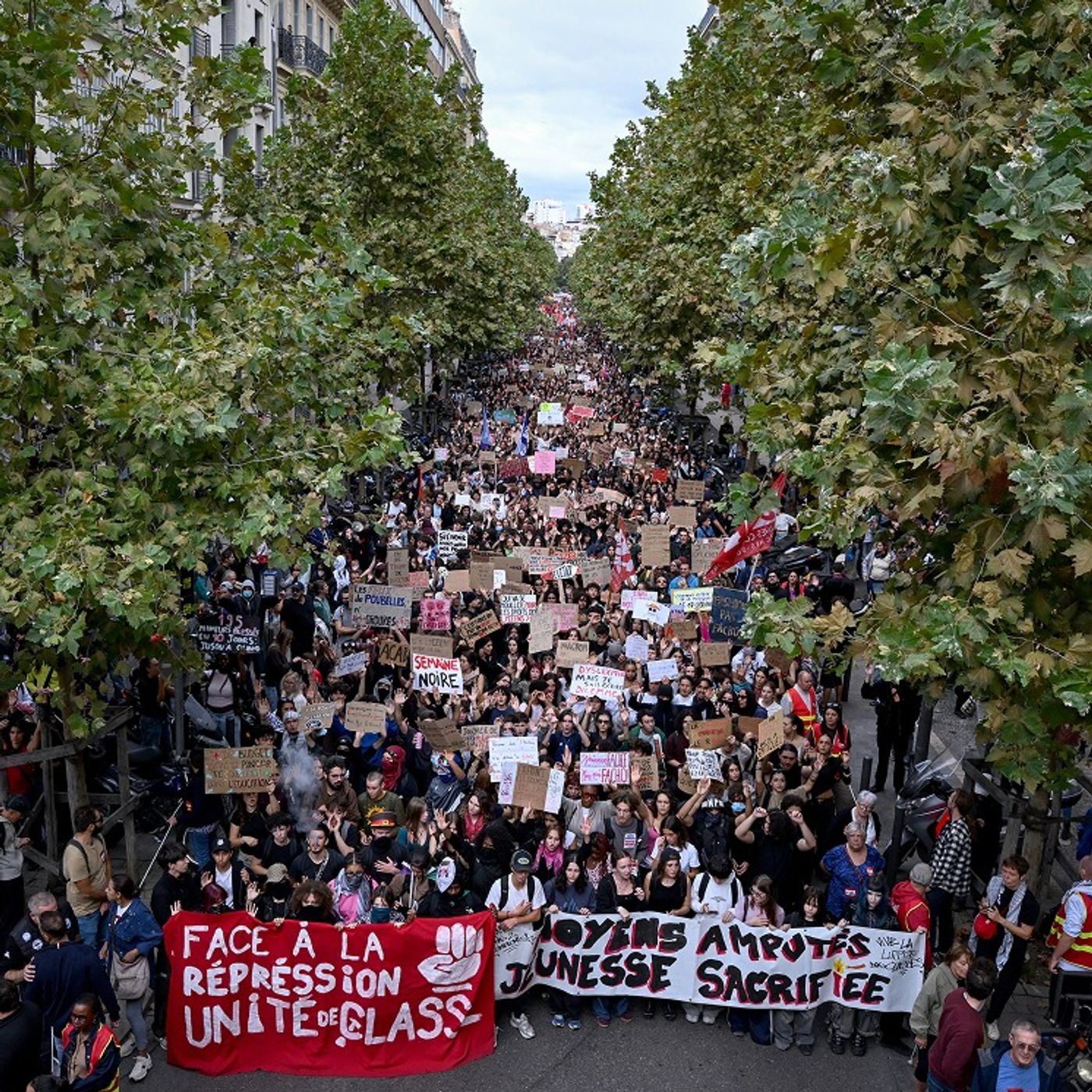
For weeks, thousands of high school students in France have been out in the streets protesting the conditions of public schools. They want better funding, something that won’t be easy with the current state of French finances.

Mark Landler, the Paris bureau chief, explains why after years of overspending, France is in crisis, and is driving toward a fiscal cliff.

Guest: Mark Landler, the Paris bureau chief of The New York Times.

Background reading: 

Photo: Miguel Medina/Agence France-Presse — Getty Images

For more information on today’s episode, visit nytimes.com/thedaily. Transcripts of each episode will be made available by the next workday.

Subscribe today at nytimes.com/podcasts or on Apple Podcasts, Spotify and Amazon Music. You can also subscribe via your favorite podcast app here https://www.nytimes.com/activate-access/audio?source=podcatcher. For more podcasts and narrated articles, download The New York Times app at nytimes.com/app.


Hosted by Simplecast, an AdsWizz company. See pcm.adswizz.com for information about our collection and use of personal data for advertising.

From the New York Times, I'm Vivian Yi, filling in his host. This is the Daily. For weeks, thousands of high school students in France have been out in the streets, protesting the conditions in public schools. Yesterday's protests drew in more than 250,000 people since they began last month, more than 6,000 arrested. Some protesters set fires and clashed with riot police. Several hundred teenagers have been injured, prompting authorities to suspend the use of stunganades. One thing they want is for the government to spend more on schools. Some schools don't have chairs, some schools don't have tables, there are rats in the kitchens. A lot of schools have had enough teachers, teachers are not here like my brother, he's had like no class. But with the current state of French finances, that won't be easy. Because after years of overspending, France is in crisis and driving toward a fiscal cliff. Today, Times Paris Bureau Chief Mark Landler, on whether France's long struggle to find its generous welfare state, is finally reaching a breaking point. On Friday, October 9th. Mark Landler, Paris Bureau Chief, welcome back to the show. It's great to be here Vivian. Mark, we know and you know from covering Europe for many years that people protesting in France is not, shall we say, unusual. But tell us why this time is different. First of all, you're absolutely right. The French have a lot of muscle memory when it comes to protesting. This is a country in which protests are deeply ingrained in the culture. But I think a couple of things are different. One is the nature of the protesters. They're really young. These are high school students, 14 to 17 years old, who are usually tomorrow's protesters. But in France, they are now today's protesters. This is a movement that has started at high schools outside of Paris initially, but spreading throughout the country. And so that's one thing that's different about it. What's also different is that these protests are occurring against a backdrop of multiple other crises in France. So in addition to these protests over the state of France's education system, you've got port workers who have barricaded ports over the rising price of oil. You have public sector workers who are striking over pay freezes. And you have an evolving financial and economic crisis in the country that all goes back to a very simple but very difficult reality for France, which is that this country can no longer afford its social welfare state. Right. So the math just isn't adding up anymore, it sounds like. Yeah, that's right. And Mark, I think a lot of people know that France has a generous welfare state, but can you tell us specifically what is costing the government so much money? Well, France, like a lot of European countries, offers very generous entitlements. They offer medical care, they offer free schooling, they offer allowances to families.

Transcription truncated.

An autumn of discontent has gripped the country ahead of its presidential election.