50 Years In, What's the Point of U2? Bono and the Edge Have Answers.
This episode appears to contain dynamically inserted ads. Transcript timestamps may be approximate.
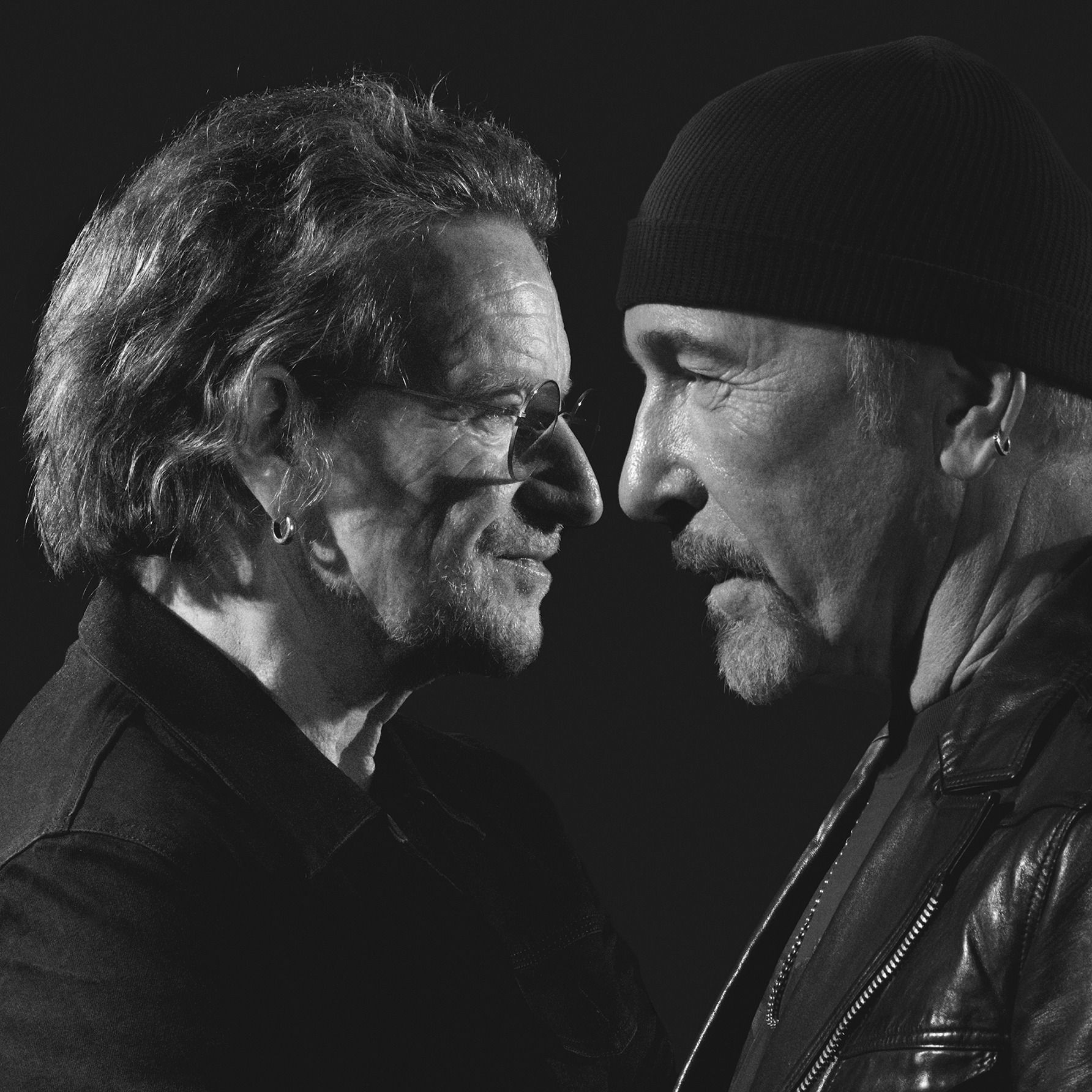
The longtime friends and creative partners on what U2 still means — and what would make them call it quits.
- Thoughts? Email us at [email protected]
- Watch our show on YouTube: youtube.com/@TheInterviewPodcast
- For transcripts and more, visit: nytimes.com/theinterview
For more information on today’s episode, visit nytimes.com/thedaily. Transcripts of each episode will be made available by the next workday.
Subscribe today at nytimes.com/podcasts or on Apple Podcasts, Spotify and Amazon Music. You can also subscribe via your favorite podcast app here https://www.nytimes.com/activate-access/audio?source=podcatcher. For more podcasts and narrated articles, download The New York Times app at nytimes.com/app.
Hosted by Simplecast, an AdsWizz company. See pcm.adswizz.com for information about our collection and use of personal data for advertising.
People upset of YouTube that we're the bands that people who don't know that they believe in God like So I think there's an element of it's it's it's would say that personally is true, but I'm David Marquesi from the New York Times here in the streets of Dublin for a YouTube performance And tomorrow I'll be talking with Bono and the Edge from the band I travel to Ireland to watch you to take the city by storm They performed at the school where they all first met Then they gave a surprise free concert on the streets of the city drawing a massive crowd It's all to celebrate not just YouTube's 50th anniversary But the release of their first album in eight years called Carnaval de Luz Bono and the Edge are the band's creative engine and they've always been an intriguing pair to me Bono the out there outspoken frontman Edge the low-key guitarist and musical mastermind. Here's my conversation with Bono and the Edge But first a quick message if you're not a subscriber We have some news for you You can now explore the times for free without paywalls during your first month in the New York Times app Just download the app and we hope you enjoy it Okay onto the interview Well do want to check want to You you guys know we're taking the whole ride in this conversation, right? Yes, okay good. I got a whole ride, okay, but thank you very much. You snowflakes. Yeah Come and get me if you're hard. No, so I want to ask you guys about sort of what you two is now 50 years after you started and so I I think of the band has at various times, you know Wanting to be the best band in the world and wanting to be You know the biggest band in the world and sometimes those two are the same things maybe sometimes those those two aren't but you know, it probably Shouldn't be the case that The best and biggest rock and roll band in the world is a band that's been around for 50 years comprised of Guys in their 60s, you know, I was thinking about like if they would be like if in 1976 Al Jolson Stomping around But but what fair Hurtful but fair is what I go for But what like what do you what do you guys think? The purpose of you two is right now like what should be what should you to be trying to be? We genuinely think that we Might just write the best song we've ever written next week or do the best show we've ever done next tour and When we talk about the best we're not thinking about rock and roll in its in its kind of just the song we're thinking about Our favorite bands and I always think when I'm in the audience at a show, what would I want to see in here? So it's it's it's like we're rock and roll collides with Activism where rock and roll collides with ideas from fine arts and I suppose it transcends an aspect as well the we've never thought it was necessary to hold back our own kind of spiritual quests and Questionings from our work. They are all expressed and when
Transcription truncated.
The longtime friends and creative partners on what U2 still means — and what would make them call it quits.