ArchiveFM

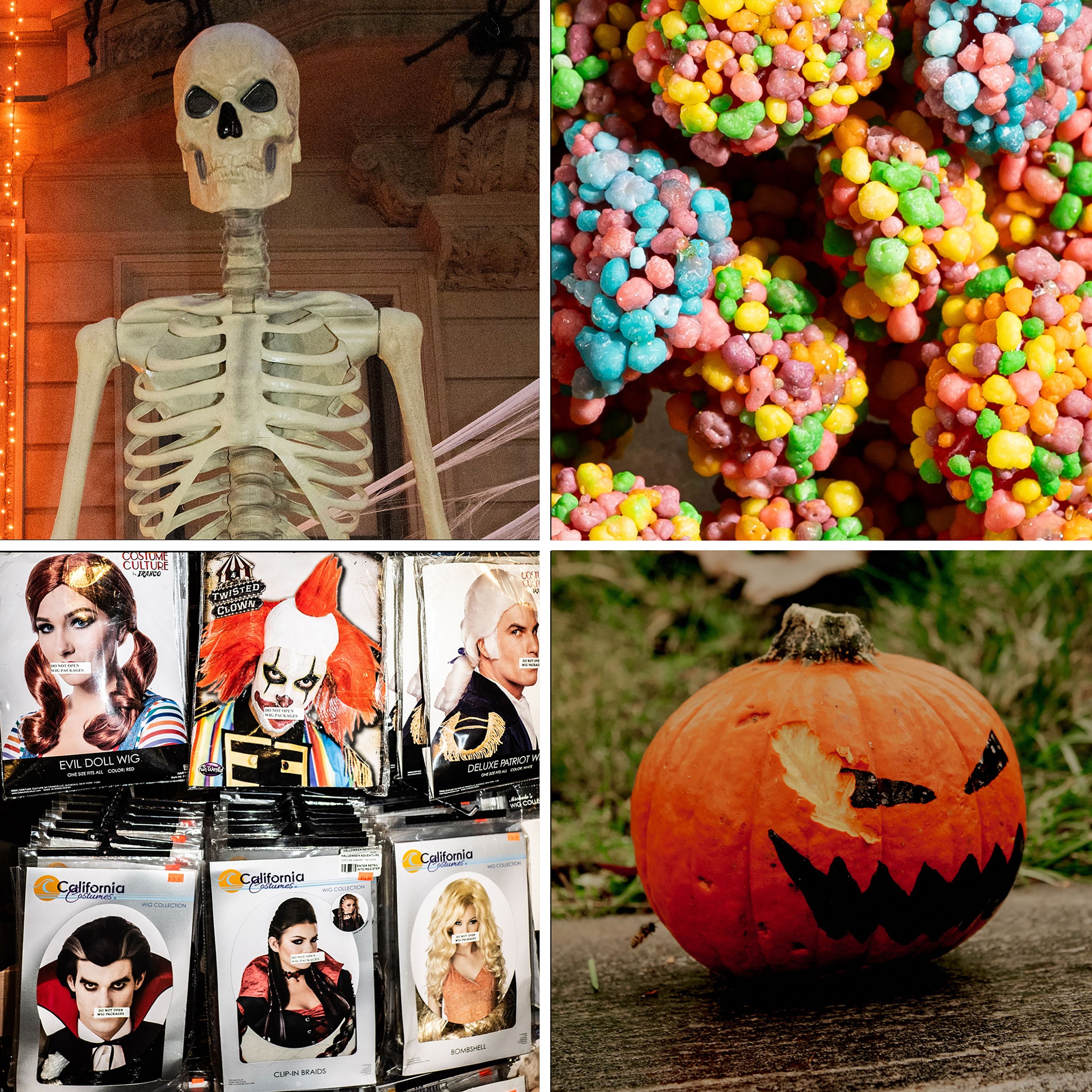
Americans are expected to spend a record $13.5 billion on Halloween this year, according to the National Retail Federation. That includes costumes, decorations and lots of candy. In this episode of “The Sunday Daily,” our host Rachel Abrams talks about these three tent poles of the Halloween season with reporters from across the Times newsroom. Kim Severson, who covers food, tells us about the sour, peelable and texture-confused candy edging out longtime chocolate favorites. Louis Lucero II, an editor for style coverage, predicts the most popular costumes of the year. And Callie Holtermann, a reporter who covers style and pop culture, discusses the enduring joy of “Skelly,” the 12-foot-tall Home Depot skeleton with a cult following.
Duration
32m
Broadcast on
25 Oct 2026
Audio Format
other

Americans are expected to spend a record $13.5 billion on Halloween this year, according to the National Retail Federation. That includes costumes, decorations and lots of candy.

In this episode of “The Sunday Daily,” our host Rachel Abrams talks about these three tent poles of the Halloween season with reporters from across the Times newsroom.

Kim Severson, who covers food, tells us about the sour, peelable and texture-confused candy edging out longtime chocolate favorites. Louis Lucero II, an editor for style coverage, predicts the most popular costumes of the year. And Callie Holtermann, a reporter who covers style and pop culture, discusses the enduring joy of “Skelly,” the 12-foot-tall Home Depot skeleton with a cult following.

On Today’s Episode:

Kim Severson covers all aspects of food culture for The New York Times.

Louis Lucero II, an editor for style coverage for The New York Times.

Callie Holtermann, a reporter who writes about style, pop culture and Gen Z for The New York Times.

Background Reading:

Photo credit: The New York Times

For more information on today’s episode, visit nytimes.com/thedaily. Transcripts of each episode will be made available by the next workday.

Subscribe today at nytimes.com/podcasts or on Apple Podcasts, Spotify and Amazon Music. You can also subscribe via your favorite podcast app here https://www.nytimes.com/activate-access/audio?source=podcatcher. For more podcasts and narrated articles, download The New York Times app at nytimes.com/app.


Hosted by Simplecast, an AdsWizz company. See pcm.adswizz.com for information about our collection and use of personal data for advertising.

Hello, everyone. It's Rachel. If you're not yet a time subscriber, we have some news for you. You can enjoy full access to the times without a paywall for 30 days. All you have to do is download the app to get your first month completely free. And if you're already a time subscriber, thank you. Okay, here's today's show. [MUSIC] From The New York Times, I'm Rachel Abrams, and this is The Daily on Sunday. [MUSIC] Back in the 19th century, when Halloween first caught on in America, it was popular to celebrate with a bonfire. People met for seances and used various methods to try to predict the future. Kids would play pranks like dipping over outhouses or throwing bricks through windows. That real vandalism eventually evolved into trick-or-treating. Seances gave way to scary movie marathons and ghosts in which costumes became blow-up dinosaurs and pikachu's. Halloween is proven to be a remarkably sturdy American tradition, in part because it changes over time. And so today, we're checking in on the state of Halloween in 2026. First, the Times' food writer, Kim Seaberson, will lead me on a culinary journey through the latest and greatest in the world of candy. Then Louis Lucero, the second, an editor on our styles desk, will give us a rundown of the most distinctly 2026 costumes to look for on Halloween night. And finally, a reporter, Callie Holterman and I will talk about Halloween decorations and why Americans spend billions of dollars on them. It's Sunday, October, I mean, October 25th. [MUSIC] Kim Seaberson, what a pleasure to have you back on the show here on the Sunday Daily. Thanks so much, Rachel. It's great to talk with you again. So Kim, you cover all things food for the Times, which today we are going to take to mean candy. Yeah, so we are going to go deep on Halloween candy, which I'm a big fan of and very excited about. And I've been spending a lot of time kind of researching what's up with the candy this Halloween. Did you trick or treat as a child, Rachel? The end as an adult, yeah. Okay, so what did you love to get and when you at the end of the night, when you went home and dumped out your candy? Butterfinger. Definitely, Butterfinger. Okay, well, on one of the lists of popular candies this year, the Butterfinger comes in number 10, just below the Hershey's minibar. There's a company called the candy store, which ships bulk candy all around the country and they've been for 19 years, crunching their data. And this year they have- No pun intended. Oh, yeah, two shows a night. They have M&Ms as their number one Halloween candy this year and fascinating sour patch kids coming in at number two. So you're seeing the rise of Skittles, sour patch kids, hot tamales, those kind of candies in your Halloween candy bowl. We're doing a lot of talking about candy, but I wish to do more eating of candies. So Kim, you're not in the same room as I am, you're in Atlanta, I'm in New York, but you have very kindly curated a little spooky Halloween candy tasting for me. So I've got a few little bowls in front of me of candy. Tell me, what am I looking at and why am I about to eat them? Yes, I picked four candies that people who study the food market say are the real up-and-comers or have hit some level of popularity that has surprised or shocked the candy industry. So these are kind of the Cinderella stories, the big stars, things that represent new flavor and texture profiles that the kids are loving. Wonderful. So the candy you're tasting, they are not chocolate Halloween candy and although- That's where there's no chocolate in here. Right, so, you know, forever and ever, the mini Snickers and the mini Milky Way bars were the top selling candies. But increasingly, non-chocolate candies are rising up and particularly among Gen Ziers who have really specific candy taste and it's much more about acid, sweet, sour, bitter, like these mashups of flavors. Mmm.

Transcription truncated.

Americans are expected to spend a record $13.5 billion on Halloween this year, according to the National Retail Federation. That includes costumes, decorations and lots of candy. In this episode of “The Sunday Daily,” our host Rachel Abrams talks about these three tent poles of the Halloween season with reporters from across the Times newsroom. Kim Severson, who covers food, tells us about the sour, peelable and texture-confused candy edging out longtime chocolate favorites. Louis Lucero II, an editor for style coverage, predicts the most popular costumes of the year. And Callie Holtermann, a reporter who covers style and pop culture, discusses the enduring joy of “Skelly,” the 12-foot-tall Home Depot skeleton with a cult following.