Truth To Power | Putin's Labor Dilemma & the War in Ukraine | Stephen Crowley | 11-6-26
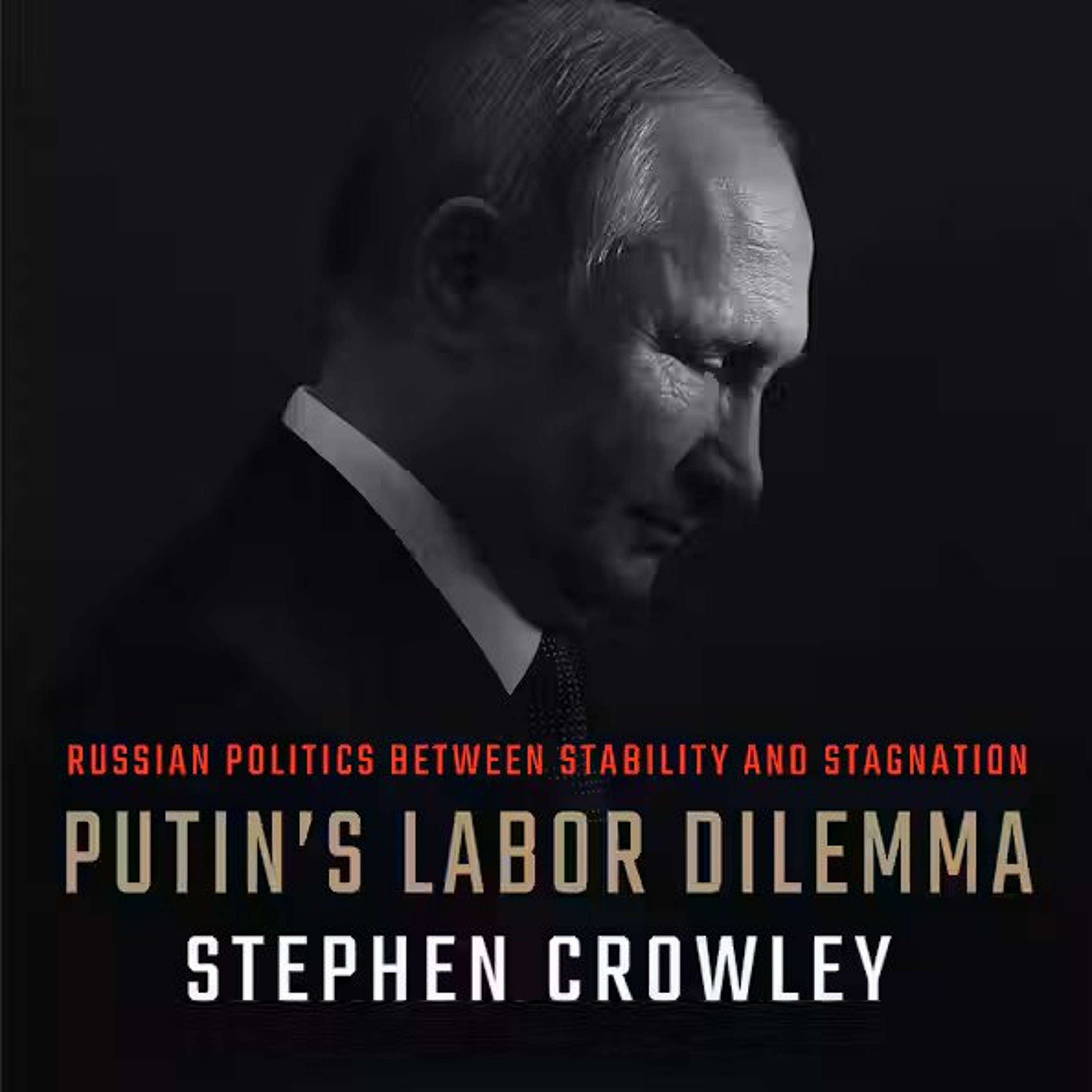
This week on Truth to Power, we bring you a community conversation about Putin’s Labor Dilemma and the War in Ukraine. This conversation on Russian Politics between Stability and Stagnation was led by Oberlin College Professor of Politics Stephen Crowley and was hosted by the Oberlin Club of DC back on September 22nd. The presentation drew from themes in Steve’s 2021 book Putin’s Labor Dilemma: Russian Politics between Stability and Stagnation. An audience of nearly 70 actively participated in the discussion.
Steve highlighted the peculiar characteristics of the Russian economy since the end of the Cold War. He noted that Russia strives to maintain high levels of employment to ensure political stability even to the point of lowering or withholding wages during economic downturns. Workers are mindful of the state’s obligation to their welfare, and their submission to the government is secured through higher wages and increased standards of living during boom times when Russia as an oil exporter benefits from high oil prices.
Yet, maintaining social stability during the bust and booms cycles is a tricky balancing act for the Putin regime. The Russian economy depends on oil sales and comprises large industrial enterprises, legacies from the Soviet era, that are unproductive, but whose existence is vital to communities that were designed around single industries. The Russian economy is not driven by dynamic small and medium sized enterprises; “creative destruction” to propel modernization and innovation is not the course of action. Consequently, the dilemma for Putin is that failure to reform and modernize threatens economic stability, but taking the steps necessary to improve productivity and eliminate legacy industries would likely trigger protest and risk political instability.
Meanwhile, economic challenges are exacerbated by the war with Ukraine. The diversion of economic resources to the military has distorted development of the civilian sector. Also, the populace is growing war weary, and recruitment of soldiers depends on salary enticements. The war is protracted and Putin cannot simply walk away without some territorial gains to justify the losses and sacrifices. Steve felt that Putin’s position in power was not teetering but underscored that economic stagnation and the burdens of the Ukraine war are challenges that will saddle Putin in averting political instability.
Regarding the Trump-Putin relationship and whether Putin has “blackmail” material, Steve assessed it was sufficient to understand the relationship as basically one in which Trump admires Putin. He added that it was far from clear who would succeed Putin, because civil society and opposition inside Russia have been devastated. Steve asked the audience to consider how extraordinary it is that military attacks are taking place directly on Russian territory as opposed to the Cold War when Russians were targeted abroad. He expressed concern that this development could raise the risk of military escalation. Steve also described Putin as a “personalistic authoritarian” (“it’s about him”) as opposed to being a military-backed dictator or revolutionary ideologue.
Watch the full recording at https://www.youtube.com/watch?v=RodNNPbHc1o
On Truth to Power each week, we gather people from around the community to discuss the state of the world, the nation, the state, and the city! It's a community conversation like you won't hear anywhere else!
Truth to Power airs every Friday at 9pm, Saturday at 11am, and Sunday at 7pm on Louisville's grassroots, community radio station, Forward Radio 106.5fm WFMP and live streams at https://www.forwardradio.org
- Duration
- 57m
- Broadcast on
- 04 Nov 2026
This episode appears to contain dynamically inserted ads. Transcript timestamps may be approximate.
This week on Truth to Power, we bring you a community conversation about Putin’s Labor Dilemma and the War in Ukraine. This conversation on Russian Politics between Stability and Stagnation was led by Oberlin College Professor of Politics Stephen Crowley and was hosted by the Oberlin Club of DC back on September 22nd. The presentation drew from themes in Steve’s 2021 book Putin’s Labor Dilemma: Russian Politics between Stability and Stagnation. An audience of nearly 70 actively participated in the discussion.
Steve highlighted the peculiar characteristics of the Russian economy since the end of the Cold War. He noted that Russia strives to maintain high levels of employment to ensure political stability even to the point of lowering or withholding wages during economic downturns. Workers are mindful of the state’s obligation to their welfare, and their submission to the government is secured through higher wages and increased standards of living during boom times when Russia as an oil exporter benefits from high oil prices.
Yet, maintaining social stability during the bust and booms cycles is a tricky balancing act for the Putin regime. The Russian economy depends on oil sales and comprises large industrial enterprises, legacies from the Soviet era, that are unproductive, but whose existence is vital to communities that were designed around single industries. The Russian economy is not driven by dynamic small and medium sized enterprises; “creative destruction” to propel modernization and innovation is not the course of action. Consequently, the dilemma for Putin is that failure to reform and modernize threatens economic stability, but taking the steps necessary to improve productivity and eliminate legacy industries would likely trigger protest and risk political instability.
Meanwhile, economic challenges are exacerbated by the war with Ukraine. The diversion of economic resources to the military has distorted development of the civilian sector. Also, the populace is growing war weary, and recruitment of soldiers depends on salary enticements. The war is protracted and Putin cannot simply walk away without some territorial gains to justify the losses and sacrifices. Steve felt that Putin’s position in power was not teetering but underscored that economic stagnation and the burdens of the Ukraine war are challenges that will saddle Putin in averting political instability.
Regarding the Trump-Putin relationship and whether Putin has “blackmail” material, Steve assessed it was sufficient to understand the relationship as basically one in which Trump admires Putin. He added that it was far from clear who would succeed Putin, because civil society and opposition inside Russia have been devastated. Steve asked the audience to consider how extraordinary it is that military attacks are taking place directly on Russian territory as opposed to the Cold War when Russians were targeted abroad. He expressed concern that this development could raise the risk of military escalation. Steve also described Putin as a “personalistic authoritarian” (“it’s about him”) as opposed to being a military-backed dictator or revolutionary ideologue.
Watch the full recording at https://www.youtube.com/watch?v=RodNNPbHc1o
On Truth to Power each week, we gather people from around the community to discuss the state of the world, the nation, the state, and the city! It's a community conversation like you won't hear anywhere else!
Truth to Power airs every Friday at 9pm, Saturday at 11am, and Sunday at 7pm on Louisville's grassroots, community radio station, Forward Radio 106.5fm WFMP and live streams at https://www.forwardradio.org