ArchiveFM

Removing human drivers isn’t only a cost-cutting strategy; Waymo riders prefer the solitude, the New Yorker staff writer Molly Fischer tells David Remnick.
Duration
30m
Broadcast on
20 Oct 2026
Audio Format
other

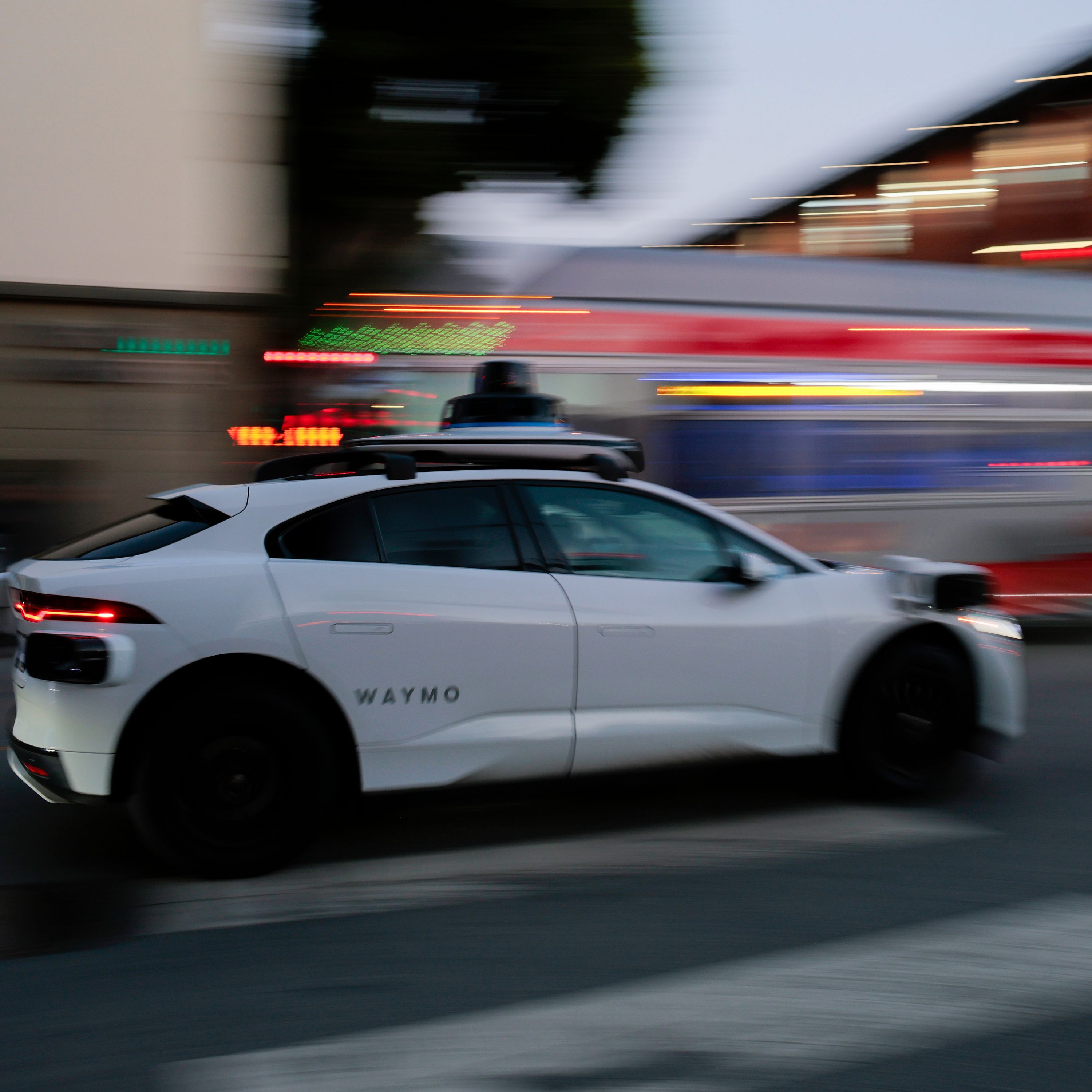
A Waymo offers a unique experience: you ride as a passenger behind or next to an empty driver’s seat, the steering wheel turning as though handled by a ghost. The New Yorker staff writer Molly Fischer has been reporting on Waymo, and she tells David Remnick that though the statistics are hard to parse, Waymos appear to be safer than cars driven by humans. Fans of Waymo prefer not putting themselves in the temporary custody of a stranger, but, Fischer says, this appeal is precisely what makes Waymos’ glitches scariest. Now that her reporting is done, Remnick wants to know: Would she take one of the robot taxis by choice?

Further reading:

“We’re Learning to Live with Waymos. It’s Going Weird,” by Molly Fischer
“Waymo Cars, Honey Bears, and the Future of San Francisco,” by Anna Wiener


New episodes of The New Yorker Radio Hour drop every Tuesday and Friday. Join host David Remnick as he discusses the latest in politics, news, and current events in conversation with political leaders, newsmakers, innovators, New Yorker staff writers, authors, actors, and musicians.


Hosted by Simplecast, an AdsWizz company. See pcm.adswizz.com for information about our collection and use of personal data for advertising.

The New Yorker Radio Hour is supported by AT&T. Unwritten rules of holiday gifting. Number 1. It's better to give than to receive. Especially with iPhone 18 Pro for $0, plus savings on Apple Watch and iPad when you get all 3 at AT&T. Rule 2. When giving 3 Apple devices, keep a safe distance. Gratitude can get physical. Tis the season for more savings. Get iPhone 18 Pro for $0 with eligible trade-in. Plus, save on Apple Watch SE3 and iPad A16 when you get all 3. Requires trade-in of $230 or more and eligible plan. Terms and restrictions apply. Subject to change. See att.com/iphone for details. The New Yorker Radio Hour is a co-production of WNYC and The New Yorker. This is The New Yorker Radio Hour. I'm David Remnick. Hailing a taxi. Getting into a car with a total stranger. Trusting that he or she is going to get you. Where are you going? Well, that's a quintessential big city experience. Used to be pretty rare outside of big cities, but ride shares like Uber have made it familiar around the country. What about getting into a cab with nobody in it? The driver's seat is empty. The steering wheel is turning as though there was a ghost. I can't think of a more uncanny experience and I haven't been in one yet than I'm not sure I intend to. The company that's putting these driverless cabs on the road is called Waymo. And as of now, there are about 4,000 nationwide. Staff writer Molly Fisher has been reporting on Waymo and she lived to tell the tale. Molly, you have a big piece out this week in The New Yorker on Waymo and the phenomenon that's sweeping the country, I assume, starting in the West Coast. What made you want to write about this? Well, I initially came to it through some writing I was doing about Zoron Momdani and his time as the new mayor of New York City. And there was a lot of suspense around the question of what Zoron would do about the cabbies because he's had this long-standing alliance with New York City's cab drivers. And the fact that Waymo was looking to come into New York City seemed to present a real conundrum for him because it's this technology that's really exciting to a lot of people. It has a lot of promise in terms of improving road safety, but it also is something that in a very visible concrete way is in a position to replace people's jobs. And so that was sort of my entry point, but it ended up becoming a much smaller piece than I anticipated of the article as a whole, in part because the question of when and how Waymo might actually arrive in New York has sort of been tabled for the moment, but also because I just became fascinated with all of the human weirdness around these cars. What was the first time you ever stepped into a Waymo?

Transcription truncated.

Removing human drivers isn’t only a cost-cutting strategy; Waymo riders prefer the solitude, the New Yorker staff writer Molly Fischer tells David Remnick.