ArchiveFM

The d.j. explains how he worked out some of the turntable innovations that led to hip-hop as we know it, and why the Furious Five’s biggest hit was the beginning of the end.
Duration
39m
Broadcast on
22 Sep 2026
Audio Format
other

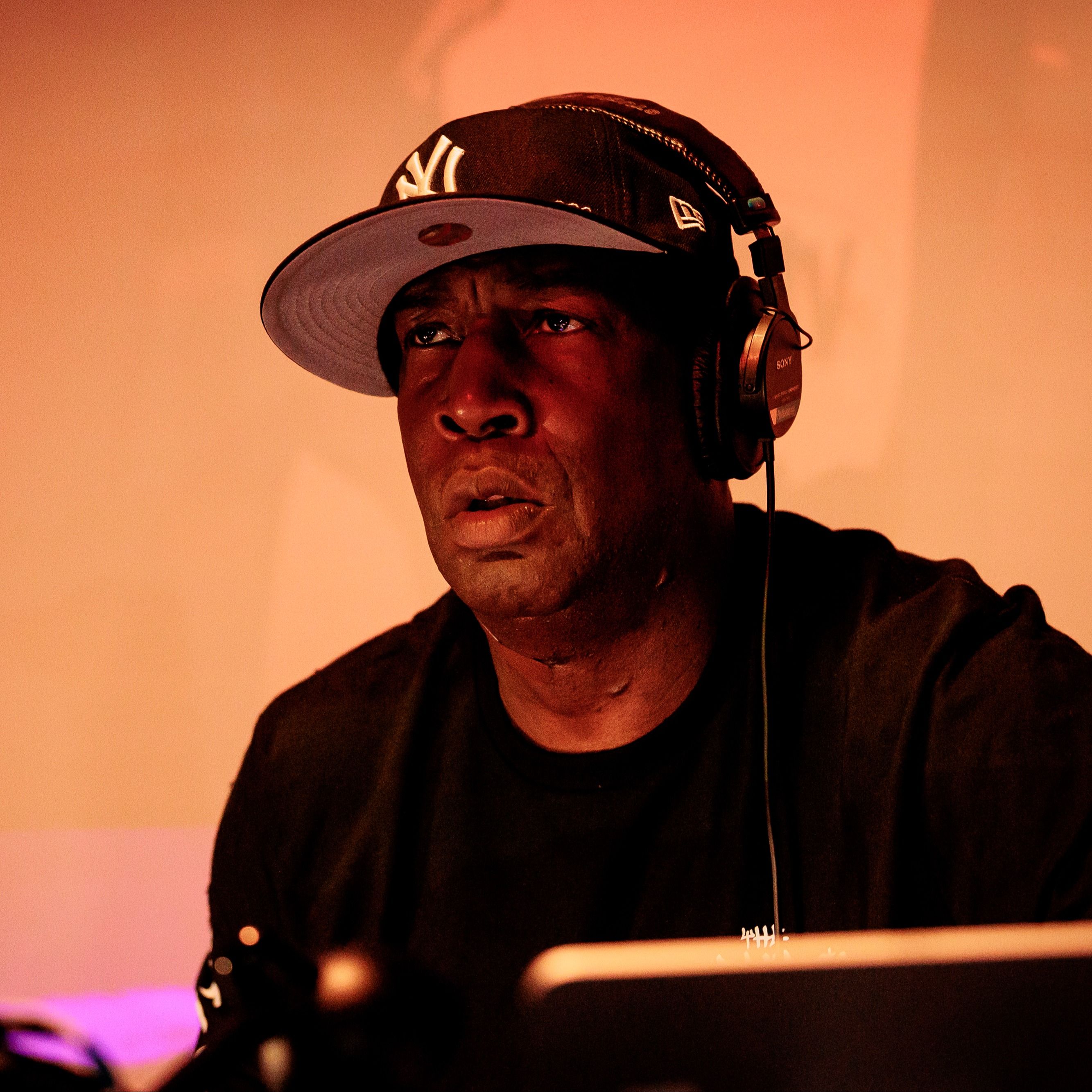
Grandmaster Flash has been an innovator in the art of d.j.’ing since he was practically a child growing up in the Bronx. As a young man named Joseph Saddler, he spent his days trying to figure out how to make the drum breaks in his favorite songs last longer and longer. Now in his late sixties, Flash remains as devoted to the art of the turntable as ever. In a new memoir, “Birth of a Culture,” he looks at hip-hop’s earliest days, as the music made its way from outdoor parties to huge venues like the Audubon Ballroom. He tells David Remnick how his creative innovations were born of an obsession with electronics, and why he views his group’s biggest hit, “The Message,” as the beginning of the end of a glorious moment in hip-hop culture. 

Further reading: 


New episodes of The New Yorker Radio Hour drop every Tuesday and Friday. Join host David Remnick as he discusses the latest in politics, news, and current events in conversation with political leaders, newsmakers, innovators, New Yorker staff writers, authors, actors, and musicians.


Hosted by Simplecast, an AdsWizz company. See pcm.adswizz.com for information about our collection and use of personal data for advertising.

I'm Emily Flake, cartoonist at The New Yorker. The New Yorker Radio Hour is supported by AT&T. A Samsung Galaxy Z Fold 8 Watch and Tab offers $0, one AT&T offer, three Samsung devices. How many gifts are we talking? I mean, sounds like three gifts, obviously, for one incredibly good price, but three incredibly good gifts. Tis the season for more savings, get the Samsung Galaxy Z Fold 8, Watch 9, and Tab A11+5G all for $0, requires trade-in of $290 or more and eligible plan. Terms and restrictions apply, subject to change, visit att.com/samsung for details. The New Yorker Radio Hour is a co-production of WNYC and The New Yorker. This is The New Yorker Radio Hour. I'm David Remnick. Hip-hop aficionados love to debate the state of the genre, and which current stars are really more pop than rap. But there's no question, none at all, that Grandmaster Flash is a true pioneer. He's been an innovator in the art of DJing since he was practically a child, and now, as a senior citizen, Grandmaster Flash remains as devoted to his turntable heroics as ever. He tours the globe, he spreads the gospel of hip-hop everywhere, and he tells stories about the origins of a music genre that has come to dominate the airwaves and has forever influenced American culture. In a new memoir Birth of a Culture, Grandmaster Flash takes us behind the scenes of hip-hop's earliest days, from the Bronx to the downtown discos and parties in dank basements. I sat down this week with Grandmaster Flash, who was born Joseph Sadler in the Bronx, to talk about his new book and his beginnings. My mother always taught me to ask people what I should call them. Flash! Just Flash! Flash! Flash! Flash is funny! Because you got the greatest name ever. [laughter] Ever. Thank you so much. To be known as Grandmaster, and Flash. Thank you. We're just going to go by Flash. Okay. Let me ask you a question. Well, let me ask you a question. You grew up, and you were fascinated by these things, but before that, you were fascinated by the electronics in your house. Yes. And at the same time, you were listening to your father's records. My father had a routine. What was he doing for a living? He used to work for the 34th Street, the track repair for the subways, the New York City subways. Down to Penn Station. Right, at Penn Station.

Transcription truncated.

The d.j. explains how he worked out some of the turntable innovations that led to hip-hop as we know it, and why the Furious Five’s biggest hit was the beginning of the end.