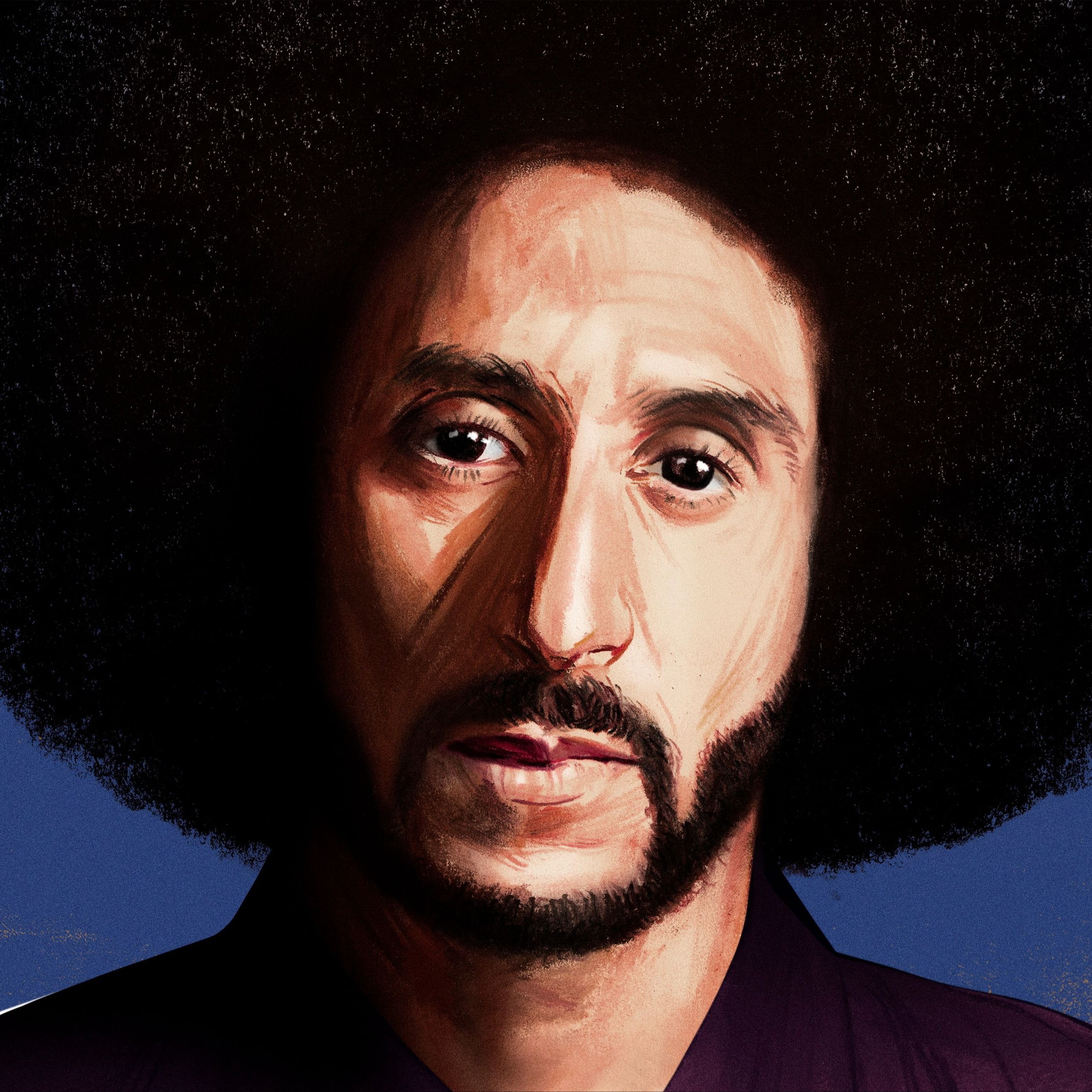
In his new memoir, “The Perilous Fight,” the former N.F.L. star recounts the backlash he faced from the league.
Duration
56m
Broadcast on
11 Sep 2026
Audio Format
other
This episode appears to contain dynamically inserted ads. Transcript timestamps may be approximate.
Colin Kaepernick had a stunning rise as an N.F.L. quarterback after becoming a full-time starter, in 2012. He was a legitimate dual threat—as effective running the ball as he was throwing it. And, to this day, Kaepernick still holds the record for rushing yards by an N.F.L. quarterback in a playoff game. But his formidable skills as a player were quickly overshadowed by his decision—quiet at first—to engage in protest for social justice a decade ago. He knelt during the national anthem at games, and that generated an enormous amount of controversy, with everyone from his fellow-players to a future President weighing in on his decision. In the aftermath of his demonstrations, the San Francisco 49ers told him that they were going to cut him, and no other team would sign him. In his new memoir, “The Perilous Fight,” Kaepernick describes how this wasn’t even the full extent of the league’s efforts to punish him. He and David Remnick discuss his new book and the consequences of his political activism. “I had football taken away from me,” Kaepernick explains. “I didn’t get to leave on my terms. And I didn’t get to leave because, ‘Oh, you're not good enough to play anymore.’ It was because of the causes I was supporting and the change I was trying to effect. So that leaves a sour taste in your mouth.”
New episodes of The New Yorker Radio Hour drop every Tuesday and Friday. Follow the show wherever you get your podcasts.
Hosted by Simplecast, an AdsWizz company. See pcm.adswizz.com for information about our collection and use of personal data for advertising.
I'm Emily Flake, cartoonist at The New Yorker. The New Yorker Radio Hour is supported by AT&T. A Samsung Galaxy Z Fold 8 Watch and Tab offers $0, one AT&T offer, three Samsung devices. How many gifts are we talking? I mean, sounds like three gifts, obviously, for one incredibly good price, but three incredibly good gifts. Tis the season for more savings, get the Samsung Galaxy Z Fold 8 Watch 9 and Tab A11+5G all for $0. Requires trade-in of $290 or more and eligible plan. Terms and restrictions apply, subject to change. Visit att.com/samsung for details. The New Yorker Radio Hour is a co-production of WNYC and The New Yorker. Welcome to The New Yorker Radio Hour, I'm David Remnick. You know, controversies in the world of sports have been making headlines all year. For months now, the WNBA has been drawn into the debate about trans athletes and sports, even though there isn't a single trans player currently in the league, and the NBA is still reeling from a salary cap scandal, broken by the reporter Pablo Torre, that's led to the billionaire Los Angeles clipper owner Steve Balmer, being suspended from the sport for an entire year. But a decade ago, the biggest controversy in sports, and one that we're still thinking about, surrounded just one athlete, Colin Kaepernick. Is Kaepernick still looking for a job because of his stance on social issues and is kneeling for the National Anthem last year? Without a doubt, I think this is a big image blow for the NFL. They have to figure out what side of defense they're already supporting the players. Kaepernick had a stunning rise as an NFL star. In 2012, he won the starting quarterback job for the San Francisco 49ers, and then led the team all the way to the Super Bowl, a game that they narrowly lost. On the field, Kaepernick was a dynamic, dual threat. He could beat you with his arm, could throw long, or he could beat you running down the field. To this day, Kaepernick still holds the record for rushing yards by an NFL quarterback in a single playoff game. But his considerable skills as a player were quickly overshadowed by his decision to engage in protest for racial justice. You'll remember well, he would kneel during the National Anthem before games. And that gesture, that protest, generated an enormous amount of backlash, with everyone from his fellow players to future presidents weighing in. You following that story at all? Well, I have followed it, and I think it's personally not a good thing. I think it's a terrible thing. And you know, maybe you should try the country that works better for him, let him try. It won't happen. And Kaepernick paid a price, a really steep price. Even as a star quarterback, after leaving the 49ers, no other team in the league, not one, would sign him. In his new memoir, The Perilist Fight, Colin Kaepernick writes that this wasn't even the full extent of the league's efforts to punish him. So I sat down the other day with Colin Kaepernick to talk about how he feels about football now on the eve of a new NFL season. You were such an all-round athlete as a kid growing up.
Transcription truncated.
In his new memoir, “The Perilous Fight,” the former N.F.L. star recounts the backlash he faced from the league.