ArchiveFM

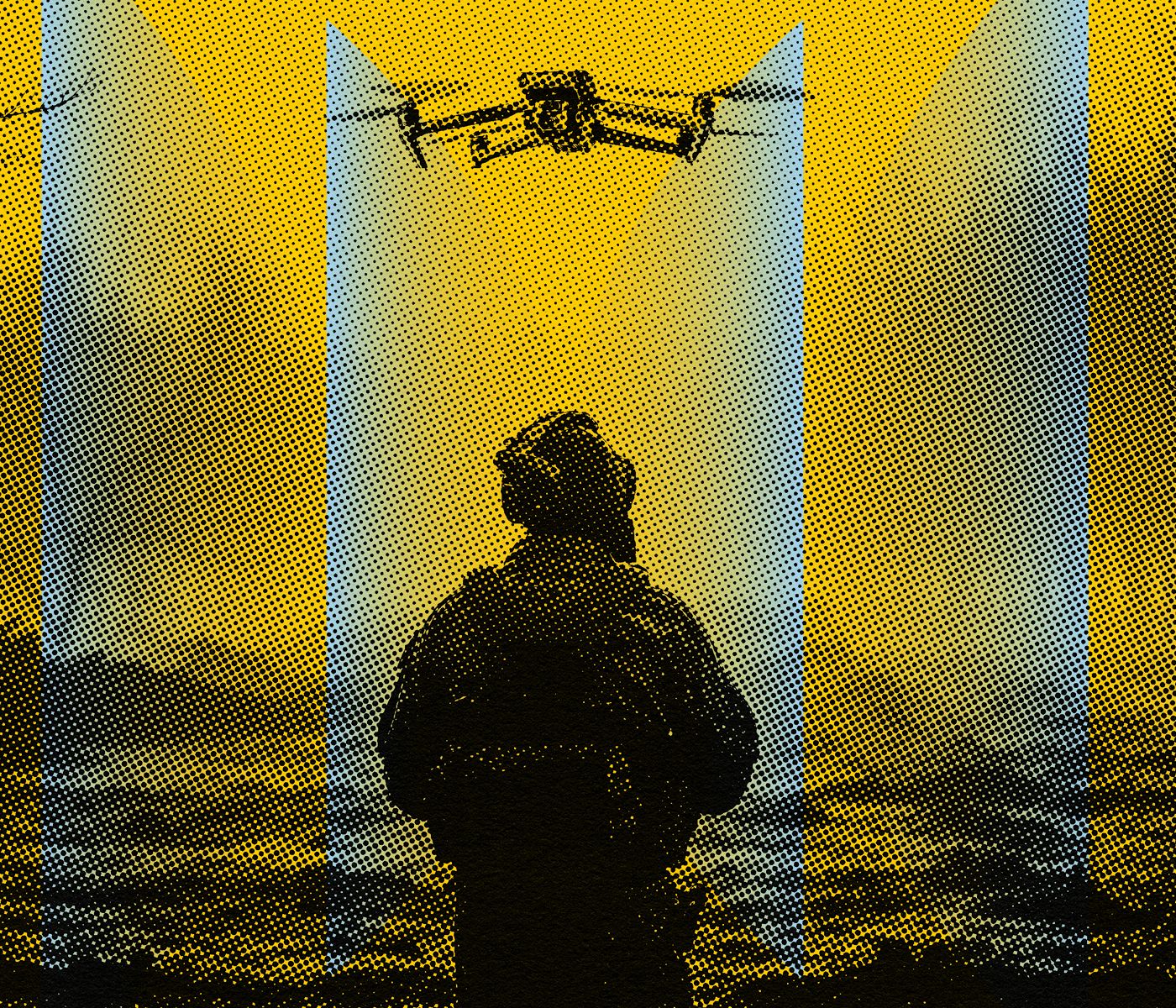
Back in February of 2022, anyone who knew anything thought the War in Ukraine would be over in a few weeks. Russia simply had more bodies to fight with and more steel to kill with.Fast-forward to today, however, and the war is anything but over. Ukraine has held and regained territory with shocking resilience. Stranger still, a small, cheap gadget that up until now was little more than a toy, has been central to their success.Today on Radiolab, we track the deployment of this weapon and wonder what happens when you have to look your enemy in the eye before you pull the trigger. Special thanks to Anna Kaliusna and her team for her footage from the frontline, Yulia Tarisuk for her help with all things Ukrainian language related. And Hanna Rose Shell for her helping us understand the history of camouflage. EPISODE CREDITS:Reported by - Simon AdlerProduced by - Simon AdlerOriginal music and sound design contributed by - Simon Adler and Jeremy Bloomwith mixing by - Jeremy BloomFact-checking by - Natalie Middletonand Edited by - Becca Bressler   EPISODE CITATIONS:AUDIO:On the Media, “The Fog of War” (https://zpr.io/8NKDM2xHWzRp)Our newsletter comes out every Wednesday. It includes short essays, recommendations, and details about other ways to interact with the show. Sign up (https://radiolab.org/newsletter)!Radiolab is supported by listeners like you. Support Radiolab by becoming a member of The Lab (https://members.radiolab.org/) today.Follow our show on Instagram, Twitter and Facebook @radiolab, and share your thoughts with us by emailing [email protected]. Leadership support for Radiolab’s science programming is provided by the Gordon and Betty Moore Foundation, Science Sandbox, a Simons Foundation Initiative, and the John Templeton Foundation. Foundational support for Radiolab was provided by the Alfred P. Sloan Foundation.  
Duration
32m
Broadcast on
03 Nov 2023
Audio Format
other

Back in February of 2022, anyone who knew anything thought the War in Ukraine would be over in a few weeks. Russia simply had more bodies to fight with and more steel to kill with.Fast-forward to today, however, and the war is anything but over. Ukraine has held and regained territory with shocking resilience. Stranger still, a small, cheap gadget that up until now was little more than a toy, has been central to their success.Today on Radiolab, we track the deployment of this weapon and wonder what happens when you have to look your enemy in the eye before you pull the trigger. Special thanks to Anna Kaliusna and her team for her footage from the frontline, Yulia Tarisuk for her help with all things Ukrainian language related. And Hanna Rose Shell for her helping us understand the history of camouflage.

EPISODE CREDITS:Reported by - Simon AdlerProduced by - Simon AdlerOriginal music and sound design contributed by - Simon Adler and Jeremy Bloomwith mixing by - Jeremy BloomFact-checking by - Natalie Middletonand Edited by - Becca Bressler


EPISODE CITATIONS:AUDIO:On the Media, “The Fog of War” (https://zpr.io/8NKDM2xHWzRp)Our newsletter comes out every Wednesday. It includes short essays, recommendations, and details about other ways to interact with the show. Sign up (https://radiolab.org/newsletter)!Radiolab is supported by listeners like you. Support Radiolab by becoming a member of The Lab (https://members.radiolab.org/) today.Follow our show on Instagram, Twitter and Facebook @radiolab, and share your thoughts with us by emailing [email protected].

Leadership support for Radiolab’s science programming is provided by the Gordon and Betty Moore Foundation, Science Sandbox, a Simons Foundation Initiative, and the John Templeton Foundation. Foundational support for Radiolab was provided by the Alfred P. Sloan Foundation.


Hosted by Simplecast, an AdsWizz company. See pcm.adswizz.com for information about our collection and use of personal data for advertising.

RadioLab is supported by the Johns Hopkins Carry Business School, helping to advance careers with the flexible MBA that is 100% online. Johns Hopkins Carry Business School, build for what's next. Learn more at carry.jhu.edu. [MUSIC] >> Listener supported, WNYC Studios. >> This week on the New Yorker RadioHour, Bradley Cooper talks with me about his lifelong dream of conducting an orchestra, which he does in the new film Maestro. That's the New Yorker RadioHour, wherever you listen to podcasts. [MUSIC] >> Hey, it's a lot to have one quick thing I wanted to say before we get going today. Despite everything that has been in the news, despite the fact that what's happening in Israel Palestine is on everyone's mind, including everyone on our staff. Our episode today is not about that, but we did want to do one thing. We just wanted to shout out at the top that in situations like this one, where things are changing so quickly, when emotions are so heated, when good information is so hard to come by, the podcast we listen to is on the media. They put out an episode last week called The Fog of War. It's really solid journalism for those who want to hear more about what's happening. Take a listen there. That's it, that's all we wanted to say, and let's get on with the show. >> Wait, you're listening to Radio Lab. >> Radio Lab. >> From WNYC. >> Hey, I'm Lutef Nasser, this is Radio Lab. Today, we're going to talk about war and not the one that is front and center in the news right now, the horrible things that have been happening in Israel and Palestine. Instead, we're going to talk about the other war that has been in the headlines. The story comes to us from producer Simon Adler. >> Yeah, so I want to talk about the war in Ukraine. >> Okay, and quick note, this story contains audio of combat that may not be suitable for our younger or more sensitive listeners. >> Have you been following it very closely? >> I feel like I was at the beginning and then I kind of, I mean, not so closely lately. >> Right, and I don't think you're alone. >> Right. >> But it is still obviously a live conflict. One that has been going on for over a year and a half now, which I don't think anybody really expected. >> I mean, by all paper statistics, the Russians should have just walked over the Ukrainians in a few days or maybe a few weeks. >> But people like Eric B. Valard here, digital military is joined for the US Army Center of Military History here in Washington, D.C. >> Have been watching the war in Ukraine super closely and he says, the startling

Transcription truncated.

Back in February of 2022, anyone who knew anything thought the War in Ukraine would be over in a few weeks. Russia simply had more bodies to fight with and more steel to kill with.Fast-forward to today, however, and the war is anything but over. Ukraine has held and regained territory with shocking resilience. Stranger still, a small, cheap gadget that up until now was little more than a toy, has been central to their success.Today on Radiolab, we track the deployment of this weapon and wonder what happens when you have to look your enemy in the eye before you pull the trigger. Special thanks to Anna Kaliusna and her team for her footage from the frontline, Yulia Tarisuk for her help with all things Ukrainian language related. And Hanna Rose Shell for her helping us understand the history of camouflage. EPISODE CREDITS:Reported by - Simon AdlerProduced by - Simon AdlerOriginal music and sound design contributed by - Simon Adler and Jeremy Bloomwith mixing by - Jeremy BloomFact-checking by - Natalie Middletonand Edited by - Becca Bressler   EPISODE CITATIONS:AUDIO:On the Media, “The Fog of War” (https://zpr.io/8NKDM2xHWzRp)Our newsletter comes out every Wednesday. It includes short essays, recommendations, and details about other ways to interact with the show. Sign up (https://radiolab.org/newsletter)!Radiolab is supported by listeners like you. Support Radiolab by becoming a member of The Lab (https://members.radiolab.org/) today.Follow our show on Instagram, Twitter and Facebook @radiolab, and share your thoughts with us by emailing [email protected]. Leadership support for Radiolab’s science programming is provided by the Gordon and Betty Moore Foundation, Science Sandbox, a Simons Foundation Initiative, and the John Templeton Foundation. Foundational support for Radiolab was provided by the Alfred P. Sloan Foundation.