ArchiveFM

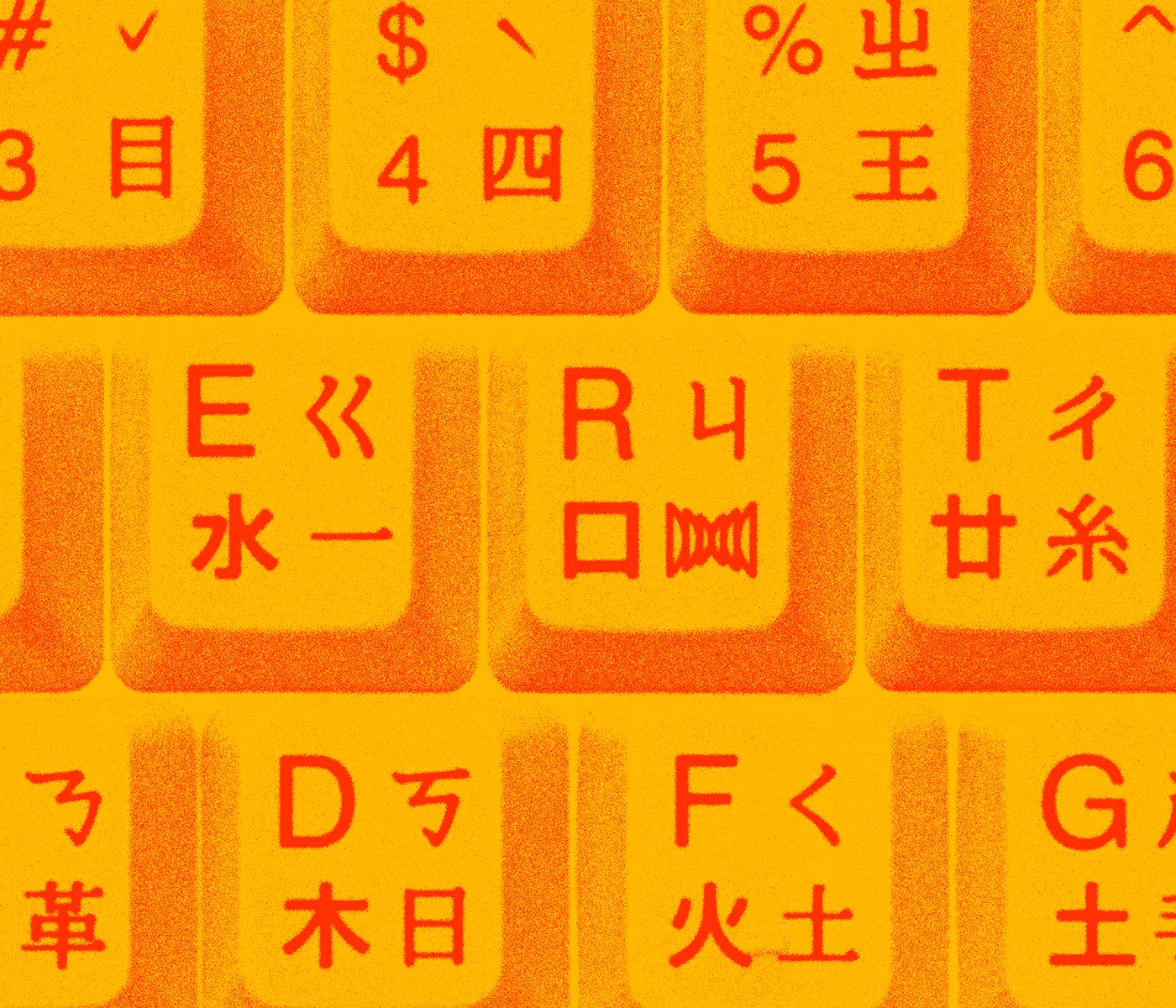
When we think of China today, we think of a technological superpower. From Huawei and 5G to TikTok and viral social media, China is stride for stride with the United States in the world of computing. However, China’s technological renaissance almost didn’t happen. And for one very basic reason: The Chinese language, with its 70,000 plus characters, couldn’t fit on a keyboard.  Today, we tell the story of Professor Wang Yongmin, a hard headed computer programmer who solved this puzzle and laid the foundation for the China we know today. Episode CreditsReported by - Simon AdlerProduced by - Simon AdlerTHE DETAILS TO SIMON ADLER’S LIVESHOW!For People in ChicagoSimon will be performing at the Chicago at the Frank Lloyd Wright Unity Temple on Saturday, September 30th (https://zpr.io/jePmFHyKUqiM).For People in BostonSimon performs at the WBUR City Space on Friday, December 8th (https://zpr.io/jePmFHyKUqiM).   Our newsletter comes out every Wednesday. It includes short essays, recommendations, and details about other ways to interact with the show. Sign up (https://radiolab.org/newsletter)!Radiolab is supported by listeners like you. Support Radiolab by becoming a member of The Lab (https://members.radiolab.org/) today.Follow our show on Instagram, Twitter and Facebook @radiolab, and share your thoughts with us by emailing [email protected] Leadership support for Radiolab’s science programming is provided by the Gordon and Betty Moore Foundation, Science Sandbox, a Simons Foundation Initiative, and the John Templeton Foundation. Foundational support for Radiolab was provided by the Alfred P. Sloan Foundation.
Duration
59m
Broadcast on
18 Aug 2023
Audio Format
other

When we think of China today, we think of a technological superpower. From Huawei and 5G to TikTok and viral social media, China is stride for stride with the United States in the world of computing. However, China’s technological renaissance almost didn’t happen. And for one very basic reason: The Chinese language, with its 70,000 plus characters, couldn’t fit on a keyboard. 

Today, we tell the story of Professor Wang Yongmin, a hard headed computer programmer who solved this puzzle and laid the foundation for the China we know today.

Episode CreditsReported by - Simon AdlerProduced by - Simon AdlerTHE DETAILS TO SIMON ADLER’S LIVESHOW!For People in ChicagoSimon will be performing at the Chicago at the Frank Lloyd Wright Unity Temple on Saturday, September 30th (https://zpr.io/jePmFHyKUqiM).For People in BostonSimon performs at the WBUR City Space on Friday, December 8th (https://zpr.io/jePmFHyKUqiM).


Our newsletter comes out every Wednesday. It includes short essays, recommendations, and details about other ways to interact with the show. Sign up (https://radiolab.org/newsletter)!Radiolab is supported by listeners like you. Support Radiolab by becoming a member of The Lab (https://members.radiolab.org/) today.Follow our show on Instagram, Twitter and Facebook @radiolab, and share your thoughts with us by emailing [email protected]

Leadership support for Radiolab’s science programming is provided by the Gordon and Betty Moore Foundation, Science Sandbox, a Simons Foundation Initiative, and the John Templeton Foundation. Foundational support for Radiolab was provided by the Alfred P. Sloan Foundation.


Hosted by Simplecast, an AdsWizz company. See pcm.adswizz.com for information about our collection and use of personal data for advertising.

WNYC Studios is supported by WISE. WISE, the smart way to manage the currencies you need around the world. With a WISE account, you can send, spend, and receive in up to 40 currencies with only a few simple taps. Be smart, get WISE. Download the WISE app today. Terms and conditions apply. WNYC Studios is supported by Odu. When you buy business software from lots of vendors, the costs add up and it gets complicated and confusing. Odu solves this. It's a single company that sells a suite of enterprise apps that handles everything from accounting to inventory to sales. Odu is all connected on a single platform in a simple and affordable way. You can save money without missing out on the features you need. Check out Odu at ODOO.com. That's ODOO.com. RIDIOLab is supported by AT&T. We all love to connect via video calls or texts. Right now, at AT&T, you can get the new iPhone 18 Pro for $0 with iPhone Trading, any condition. It has the ultimate pro camera system and big leap in battery life so you can turn this deal into a long lasting connection. Learn how you can trade in your iPhone for the new iPhone 18 Pro requires trade-in of iPhone 14 or higher, excluding iPhone 16E and eligible plan. Terms and restrictions apply subject to change. Visit an AT&T store for details. This is RIDIOLab. I'm Lulu Miller. Last week, you may have noticed that our reporter Simon Adler stepped up to co-host the episode, the great episode about the pesky little law that undergirds the internet. That one's called the internet dilemma. And last month, Simon stepped up to host a RIDIOLab live event here in New York City that totally kicked behind his eerie and musical and strange and changed the way that people look up at the moon. It's called mixed tapes to the moon. And actually, he's going on tour with it. He's going to Chicago and Boston with dates coming to LA and Seattle. If you want to know more about where you can see Simon's live show, we've put all the details in the liner notes of this episode. Just go check the little links, get ready. It's the season of Simon. It really is. And so we thought we'd play one of his all-time bangers called the whooby effect. It's an episode that's about one of my favorite things, naming the world around us and how we decide to put words on things can change realities and culture and history. I love this episode. It's like a word puzzle with global stakes. So I'm going to kick it over to Simon and co reporter Yang Yang. They tell their story to a guy you may have heard of, OG radio lab post. Jada Boomerad. Here we go. Wait, you're listening to Radio Lab. Radio Lab from WNYC. Hey, I'm Jada Boomerad. This is Radio Lab to start things off today. A couple months ago. "Do you want some coffee?" "To small?" In that magical forgotten time before the coronavirus, our reporter Simon Adler somewhat mysteriously walked me a few blocks from our office, mic and hand, to a coffee shop. Okay, with our coffee purchased, let's go stand in the corner where it's maybe a little less loud. Sort of a fancy one, exposed brick, bare Edison bulbs. So let's gaze out upon the hipsters of Lower Manhattan. "Do you intend to survey and count the number of laptops?" "Yeah, so how many laptops do you think are in here?" "Okay, starting from the left, we're going to circle around. We've got one, two, three, four, five, six." "Two more on the phone." "And they're all typing the same way, right? They're all using a QWERTY keyboard?" "Yeah, yes." And the reason he dragged me there, as I now know, "Now let's imagine we're in Shenzhen in a Chinese Starbucks." was to point out a massive cultural difference hidden in plain sight, and to propose a bit of a reporting trip. "Are you going to send somebody to Starbucks in Shenzhen?" "Well, that's my hope that I will be the one sent to a Starbucks in Shenzhen." "Well, play it Adler." Now, you did not bite on that reporting trip. "No." Plus, pretty soon thereafter, traveling to China became a lot more difficult, so... "Okay, I'm in this big Starbucks shop here in Hong Kong." To play out this comparison I had in mind, instead, we hired and sent local reporter Yang Yang to scope it out for us. "There are about 50 people here, maybe 30 laptops or tablets open." Because, and here is where we get to the point, everyone in this Starbucks,

Transcription truncated.

When we think of China today, we think of a technological superpower. From Huawei and 5G to TikTok and viral social media, China is stride for stride with the United States in the world of computing. However, China’s technological renaissance almost didn’t happen. And for one very basic reason: The Chinese language, with its 70,000 plus characters, couldn’t fit on a keyboard.  Today, we tell the story of Professor Wang Yongmin, a hard headed computer programmer who solved this puzzle and laid the foundation for the China we know today. Episode CreditsReported by - Simon AdlerProduced by - Simon AdlerTHE DETAILS TO SIMON ADLER’S LIVESHOW!For People in ChicagoSimon will be performing at the Chicago at the Frank Lloyd Wright Unity Temple on Saturday, September 30th (https://zpr.io/jePmFHyKUqiM).For People in BostonSimon performs at the WBUR City Space on Friday, December 8th (https://zpr.io/jePmFHyKUqiM).   Our newsletter comes out every Wednesday. It includes short essays, recommendations, and details about other ways to interact with the show. Sign up (https://radiolab.org/newsletter)!Radiolab is supported by listeners like you. Support Radiolab by becoming a member of The Lab (https://members.radiolab.org/) today.Follow our show on Instagram, Twitter and Facebook @radiolab, and share your thoughts with us by emailing [email protected] Leadership support for Radiolab’s science programming is provided by the Gordon and Betty Moore Foundation, Science Sandbox, a Simons Foundation Initiative, and the John Templeton Foundation. Foundational support for Radiolab was provided by the Alfred P. Sloan Foundation.